
Bangladesh Driving Licence Practice Tests,
Traffic Signs & BRTA Guidance

The purpose is to help learners prepare for the Bangladesh driving licence exam by providing sample questions, information on Bangladesh road signage, and an overview of the key regulations related to the driving theory examination. There is no affiliation with any government agency or licensing board.

Select your state and start practicing theory-style questions based on common Bangladesh driving test topics.
Barishal
Chattogram
Dhaka
Khulna
Rajshahi
Rangpur
Mymensingh
Sylhet

Bangladesh Traffic Signs Guide

Before taking the practice test for the Bangladesh driving test, you should familiarize yourself with the types of signs used in Bangladesh and their meanings in relation to actual driving conditions on the road in cities and on highways.

Road Signs and Their Meanings

Warning for a danger with no specific traffic sign.
Warning for a danger with no specific traffic sign.

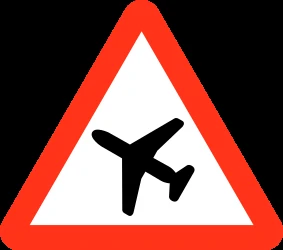
Warning for low-flying aircrafts.
Warning for low-flying aircrafts.

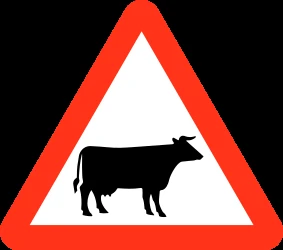
Warning for cattle on the road.
Warning for cattle on the road.

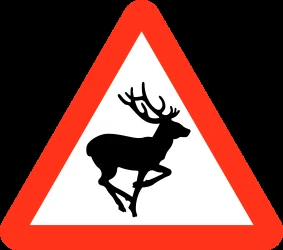
Warning for crossing deer.
Warning for crossing deer.

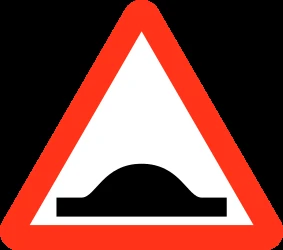
Warning for a speed bump.
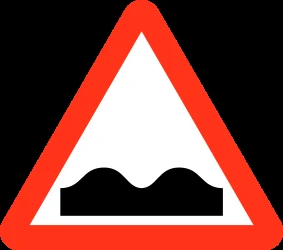
Warning for a speed bump.

Warning for a bad road surface.
Warning for a bad road surface.

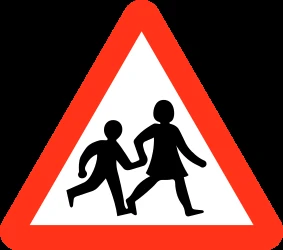
Warning for children.
Warning for children.

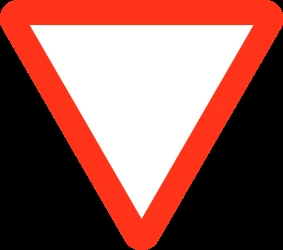
Give way to all drivers.

Give way to all drivers.

Warning for a crossroad, give way to all drivers.
Warning for a crossroad, give way to all drivers.

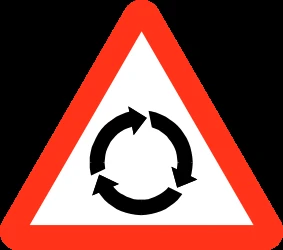
Warning for a roundabout.
Warning for a roundabout.

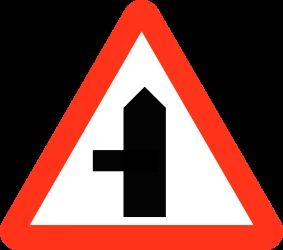
Warning for a crossroad with a side road on the left.
Warning for a crossroad with a side road on the left.

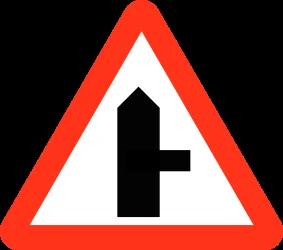
Warning for a crossroad with side road on the right.

Warning for a crossroad with side road on the right.

Driving Rules & Safety Guidelines for Learners in Bangladesh

Core road rules and safety guidance to improve theory test readiness and build safer driving habits.

Categories

Driving Culture and General Overview
Driving Direction
Speed Limits
Driver Documentation Requirements
Vehicle Registration and Licensing
Safety Regulations
Road Conditions
Defensive Driving Practices
Night Driving
Fuel Availability
Traffic Violations and Fines
Toll Roads and Payments
Emergency Services
Navigation and Travel Planning
Parking Regulations
Vehicle Maintenance
Public Transportation Alternatives
Driving Etiquette and Behavior
Environmental Responsibility
Driving Culture and General Overview
Driving in Bangladesh can be challenging due to heavy congestion, mixed traffic, and unpredictable road behavior.
Urban areas, especially Dhaka, experience extremely dense traffic with cars, buses, rickshaws, motorcycles, and pedestrians sharing the same roads.
Traffic rules exist but are not always strictly followed, so drivers must remain alert and adaptable.
Defensive driving is essential because road users frequently make sudden or unexpected maneuvers.
Driving conditions can vary widely from modern highways to narrow rural roads.
Driving Direction
Vehicles drive on the left-hand side of the road in Bangladesh.
Drivers must follow left-side driving rules while overtaking and navigating intersections.
Road layouts in busy cities may require drivers to carefully navigate through mixed traffic flows.
Speed Limits
The typical maximum speed limit on highways and expressways is 80 km/h.
In urban areas, speed limits usually range between 40 km/h and 50 km/h.
In specialized zones such as residential or restricted areas, the speed limit may be around 30 km/h.
Drivers should always follow posted road signs indicating the allowed speed.
Driver Documentation Requirements
Drivers must carry a valid driving license while operating a vehicle.
Foreign nationals are required to carry an International Driving Permit (IDP) along with their original driving license.
Vehicle registration documents must also be carried and presented when requested by authorities.
Vehicle Registration and Licensing
All vehicles in Bangladesh must be officially registered with the appropriate authorities.
Vehicles must display a valid license plate at all times.
Foreign vehicles entering the country usually require a Carnet de Passages en Douane (CPD) for temporary import.
Safety Regulations
Seatbelts are mandatory for all vehicle occupants.
Drivers should avoid using mobile phones while driving to prevent accidents.
Vehicle doors and windows should be secured in crowded areas to prevent theft.
Drivers should maintain safe distances and remain cautious in heavy traffic.
Road Conditions
Bangladesh has a diverse road network that includes highways, city streets, and rural roads.
Urban roads often experience severe congestion, especially during rush hours.
Rural roads may have uneven surfaces, potholes, or limited infrastructure.
Drivers should watch for pedestrians, cyclists, livestock, and slow-moving vehicles on rural routes.
Defensive Driving Practices
Drivers should anticipate sudden lane changes, braking, or unexpected movements from other road users.
Maintaining awareness of surrounding vehicles, rickshaws, and pedestrians is crucial.
Drivers should avoid aggressive driving behavior and remain patient in congested traffic.
Defensive driving helps reduce the risk of accidents in chaotic road environments.
Night Driving
Driving at night is generally discouraged due to poor lighting conditions on many roads.
Unmarked obstacles, broken vehicles, and pedestrians may be difficult to see in low visibility.
Drivers should exercise extra caution when traveling at night.
Fuel Availability
Petrol stations are widely available across major cities and towns in Bangladesh.
Fuel types are usually labeled as 'Petrol' for gasoline and 'Diesel' for diesel fuel.
Fuel payments are commonly made using cash, so drivers should carry local currency.
Traffic Violations and Fines
Common traffic violations include overspeeding, running red lights, and using mobile phones while driving.
These offenses can result in traffic fines or penalties.
Drivers are encouraged to follow traffic regulations to avoid legal consequences.
Toll Roads and Payments
Some highways, bridges, and major routes require toll payments.
Tolls are often collected in cash at designated toll booths.
Drivers should carry small denominations of local currency for toll payments.
Emergency Services
The national emergency number in Bangladesh is 999.
This number can be used to contact police, ambulance, or fire services.
Additional emergency numbers include 100 for police and 101 for fire services.
Navigation and Travel Planning
Traffic congestion can significantly affect travel time in urban areas.
Drivers should plan routes carefully, especially during peak hours.
Using GPS devices or smartphone navigation applications can help locate destinations and avoid heavy traffic.
Parking Regulations
Drivers should park vehicles only in designated parking areas whenever possible.
Valuable items should not be left inside parked vehicles to prevent theft.
Parking rules may vary depending on the city or area.
Vehicle Maintenance
Drivers should regularly check vehicle conditions before long journeys.
Important checks include tire pressure, brakes, headlights, and engine oil levels.
Proper maintenance helps prevent breakdowns and improves road safety.
Public Transportation Alternatives
Bangladesh offers various public transportation options including buses, trains, and rickshaws.
Public transport is generally affordable and widely used by residents.
Travelers who are uncomfortable driving can rely on these alternatives.
Driving Etiquette and Behavior
Drivers should respect local customs and avoid aggressive gestures or excessive horn usage.
Patience and calm behavior are important when navigating congested traffic.
Respect for other road users helps maintain safer road conditions.
Environmental Responsibility
Drivers are encouraged to reduce fuel consumption and minimize environmental impact.
Using fuel-efficient vehicles or carpooling can help reduce pollution.
Responsible driving contributes to a healthier environment.

How Driving Licences Work in Bangladesh
(Learner Licence and Driving Licence)

Easier study preparation for the practical component of the Bangladesh driving licence process is facilitated through understanding how it works. The Bangladesh Road Transport Authority (BRTA) regulates the driving licence process in Bangladesh.

New drivers typically start the process with a Learner’s Licence before undergoing the required practical and theoretical training and examination process to receive their Smart Card Driving Licence.

This web page will assist you in preparing for the theoretical component of the driving licence process through practice questions, knowledge of traffic signs, and the most commonly tested road laws, which will assist you with passing the written portion of the driving licence exam.

Types of Driving Licence in Bangladesh

Bangladesh licences are generally divided into:

  • Private (Non-Professional) – is issued for private use of vehicles (motorcycles, cars).
  • Professional – is issued for use of commercial vehicles (buses, trucks, and freight vehicles).

Specific vehicle categories include:

  • Motorcycle (moped)
  • Private car (light motor vehicle)
  • Commercial vehicle (heavy)

If you are applying for a private car licence, you’ll usually prepare for the non-professional category.

Minimum Age and Eligibility

Minimum age requirements typically include:

  • Motorcycle (non-professional): 18 years
  • Light motor vehicle (non-professional): 18 years
  • Professional licences: Usually 21 years or older, depending on category

Applicants are generally required to:

  • Have a Current Learner Licence
  • Complete The Required Training
  • Pass The Theory, Practical and Sometimes An Oral Test
  • Meet The Required Medical Fitness Standards

Always check with BRTA for the most current official rules before applying.

Documents Commonly Required for a Learner Licence

Exact requirements may change, but applicants commonly prepare:

  • National ID or Passport
  • Proof of residence
  • Certificate of medical fitness from authorised doctor
  • Passport-type photographs
  • Completed application form
  • Applicable fees

Once you successfully meet all testing requirements, your Smart Card Driving Licence will be issued to you by BRTA. To ensure that all required documents meet current standards, also check the BRTA website.

Typical Application Steps in Bangladesh

A typical first-time driver process may include:

  1. Apply at BRTA to get a learner’s licence
  2. Completing all training and waiting period
  3. Appear for the written/theory test
  4. Complete practical driving test
  5. Undergo biometric capture (photo, fingerprint, signature)
  6. Receive Smart Card Driving Licence after approval

The website will support users in preparing for the driving theory test by allowing them to practice question types and learn the traffic signs prior to the examination.

Bangladesh Driving Licence Test Format

The Bangladesh driving licence test may include:

  • Traffic sign recognition
  • Basic rules of the road
  • Right-of-way rules
  • Safe driving practices
  • Basics of controlling a vehicle

The theory portion may be written or oral depending on the category and testing centre.

You can practice exam type multiple-choice questions as well as review the explanations for those questions to help improve your knowledge and confidence.

Key Driving Rules to Study for Bangladesh

When preparing for the Bangladesh driving licence test, focus on:

  • Bangladesh uses the left-hand side of the road
  • Urban and highway speed limits
  • Priority rules at intersections
  • Overtaking (normally you will overtake on your right)
  • Use of indicators and hand signs by drivers
  • Wearing seatbelts and helmets
  • Pedestrian and school zone safety

General speed limits often vary by vehicle type and road category. Always follow posted signs, as they override general rules.

How to Prepare Effectively

If you’re starting from scratch:

  • Day 1–2: Start your practice with learning Bangladesh road signs by category
  • Day 3–4: Then next study key traffic rules and safety laws
  • Day 5–7: Continue practice Bangladesh driving licence test questions and review explanations

Avoid memorising answers without understanding the reasoning. Real exams may present questions differently.

This website is not an official government platform. For official forms, fees, eligibility rules, and application updates, refer directly to the Bangladesh Road Transport Authority (BRTA) or its official portal.

Frequently Asked Questions

 Quick answers about Bangladesh driving licence practice tests, road signs, and BRTA exam preparation.

Answer: The first step is applying for a Learner Licence through BRTA. After completing required training and passing theory and practical tests, you can apply for a Smart Card Driving Licence.

Answer: No. This website is an independent educational resource and is not affiliated with BRTA or any government authority. The questions are designed for study and practice purposes only.

Answer: For non-professional licences such as private cars, the minimum age is generally 18 years. Professional licences usually require a higher minimum age.

Answer: Bangladesh drives on the left side of the road. Understanding left-hand traffic rules is important for theory test preparation and safe driving.

Answer: Study road signs carefully, understand traffic rules thoroughly, Practice exam-style questions regularly, and review explanations for incorrect answers. Also confirm the latest official procedures with BRTA before your exam.

Scroll to Top