
Czech Republic Driving Licence Practice Tests, Traffic Signs & Ministry of Transport Guidance
Czech driving theory test practice questions and Czech road signs, plus Czech driving laws to prepare for your Czech driving test. This current resource is private and not a government or licensing body.
Czech Traffic Signs Guide
Before taking Czech Republic driving licence practice tests, make sure you understand Czech road signs. Study signs by category and learn what each sign means in real traffic situations.
Road Signs and Their Meanings
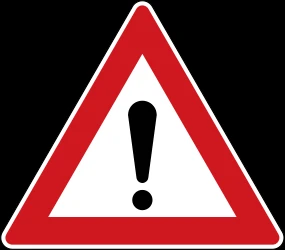
Warning for a danger with no specific traffic sign.
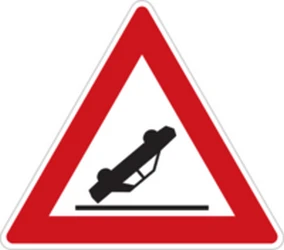
Warning for accidents.
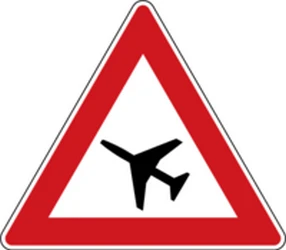
Warning for low-flying aircrafts.
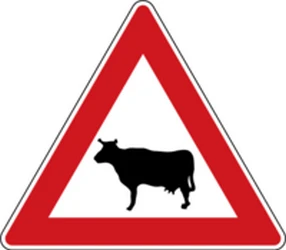
Warning for cattle on the road.
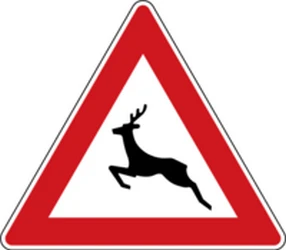
Warning for crossing deer.
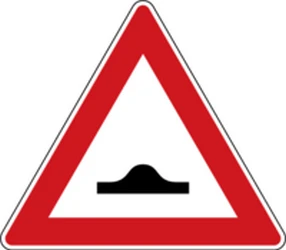
Warning for a speed bump.
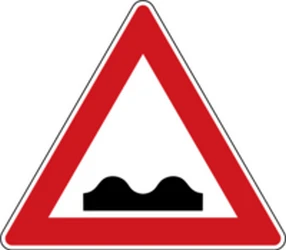
Warning for a bad road surface.
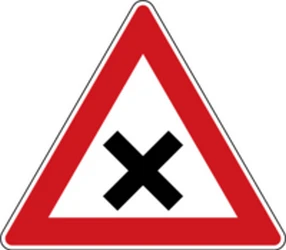
Warning for an uncontrolled crossroad.
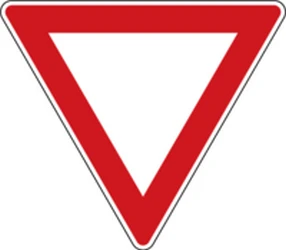
Give way to all drivers.
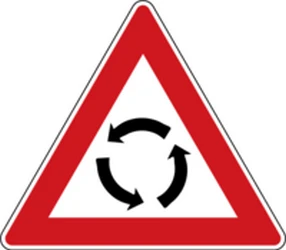
Warning for a roundabout.
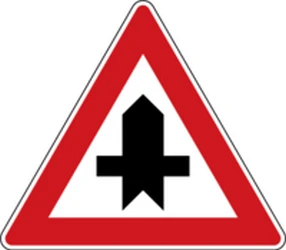
Warning for a crossroad side roads on the left and right.
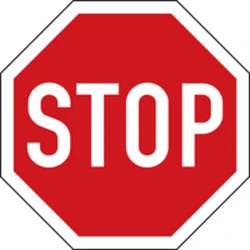
Stop and give way to all drivers.
Driving Rules & Safety Guidelines for Learners in the Czech Republic
Clear driving rules, road sign guidance, and safety tips to help you prepare for the theory test and drive with confidence.
Categories
How Driving Licences Work in the Czech Republic
(Theory Test and Practical Exam)
When you start understanding the process of getting a Czech driving licence then your theory preparation will be easier. In the Czech Republic, if you are a first time driver, you need to attend an approved driving school (autoškola) to complete your training, pass the theoretical driving examination and complete your practical driving test.
The licensing system is regulated nationally under the Ministry of Transport. Applications and exams are typically handled through local municipal offices (obecní úřad obce s rozšířenou působností).
This page helps you prepare for the theory portion of that journey: Practice Czech driving test questions, learn traffic signs, and review common road rules that appear in the official exam.
Types of Driving Licence in the Czech Republic
The Czech Republic follows EU licence categories. Common first licences include:
- AM – Mopeds
- A1 / A2 / A – Motorcycles
- B – Passenger cars (most common first licence)
- C / D – Trucks and buses (additional requirements apply)
Most first-time car drivers apply for Category B.
Minimum Age and Eligibility
Age for Category B (car driver’s license):
- Minimum age: Generally, You need to be at least 18.
- You must take the necessary training hours from an approved driving school.
- You will need to provide a medical fitness certificate.
- You will have to complete a written test and a practical test
Motorcycles may have different minimum ages.
Check for the latest requirements before you apply as regulations can change, confirm the current requirements from official sources.
Documents Commonly Required
Although specific requirements may differ, common applicant documentation requirements are:
- A current Identity Document (Czech ID Card or Passport)
- Medical Certificate of Fitness from an Approved Medical Doctor
- A Certificate from a Driving School that You Finished the Course
- Application form submitted to the municipal authority
- Required government administrative fee
Your Driving School or Local Government Office will confirm the complete document requirements for you before you make a test reservation.
Typical Application Steps in the Czech Republic
A typical first-time driver process includes:
- Enroll in a State-approved driving school (autoškola)
- Complete the required number of hours of classroom instruction and behind-the-wheel training.
- Pass the written (multiple-choice) exam.
- Pass the road test.
- Receive a permanent driver’s license after passing both tests`
This website supports you to prepare for the Czech Republic driver’s examination process by providing a practice of the theory portion (for questions about driving and signs) of the exam prior to applying for the test.
Czech Driving Theory Test Format
The Czech theory test typically consists of multiple-choice questions delivered electronically. It evaluates:
- Road sign recognition
- Traffic rules and right-of-way
- Speed limits
- Safe driving behaviour
- Emergency and hazard awareness
A minimum score is required to pass. The passing numbers & passing score may change over the time. Always confirm before an exam.
Key Driving Rules to Study for Czech Theory Test
When preparing for the Czech driving licence test, focus on:
- The Right-of-way Rules at Intersection (No Lights)
- The Order of Priority at Roundabouts
- Speed limits: 50KM/h in Cities, 90KM/h in no Cities, 110 KM/h on the Motorway / Expressway, 130KM/h on HWY’s
- Safe Passing & Overtaking
- Alcohol Limit (Zero Tolerance)
- Use of Seatbelts and Child Restraint Systems
Always remember: posted signs override general limits.
How to Prepare Effectively
If you are starting from scratch:
- Day 1–2: Start learning with Czech traffic signs by category
- Day 3–4: Learn Czech Road Signs, Speed Limits, and Priority Rules.
- Day 5–7: Practice answering Czech theory test questions/concepts, AND understand explanations.
Avoid memorising answers. Focus on understanding traffic logic and safety principles.
This website is not an official government platform. For official forms, exam booking, administrative fees, and up-to-date licensing requirements, refer to the Czech Ministry of Transport or your local municipal authority.
Frequently Asked Questions
Quick answers about Czech driving licence practice tests, road signs, and theory exam preparation.
Answer: For Category B (car), the minimum age is generally 18. Motorcycle categories may have different age requirements.
Answer: No. This website is an independent educational resource and is not affiliated with any government or licensing authority. The practice questions are designed to help you prepare.
Answer: Yes, the theory exam is typically taken electronically at an authorized testing location.
Answer: Standard limits include 50 km/h in towns and 130 km/h on motorways, unless traffic signs indicate otherwise.
Answer: Study road signs carefully, understand right-of-way rules, Practice multiple-choice questions regularly, and review explanations for incorrect answers before your exam.