
Germany Driving Licence Theory Test Practice, Road Signs
& TÜV/DEKRA Guidance
Prepare for the German driving licence (Führerschein) theory test with practice questions, clear explanations, and road sign learning. Choose your federal state to start studying and Practice common theory topics. This is an independent educational resource and is not affiliated with any government or licensing authority.
Driving Rules & Safety Guidelines for Learners in Germany
Key traffic rules, road sign guidance, and safety habits to help you prepare for the theory exam and drive safely.
Road Signs and Their Meanings

Warning for a danger with no specific traffic sign.
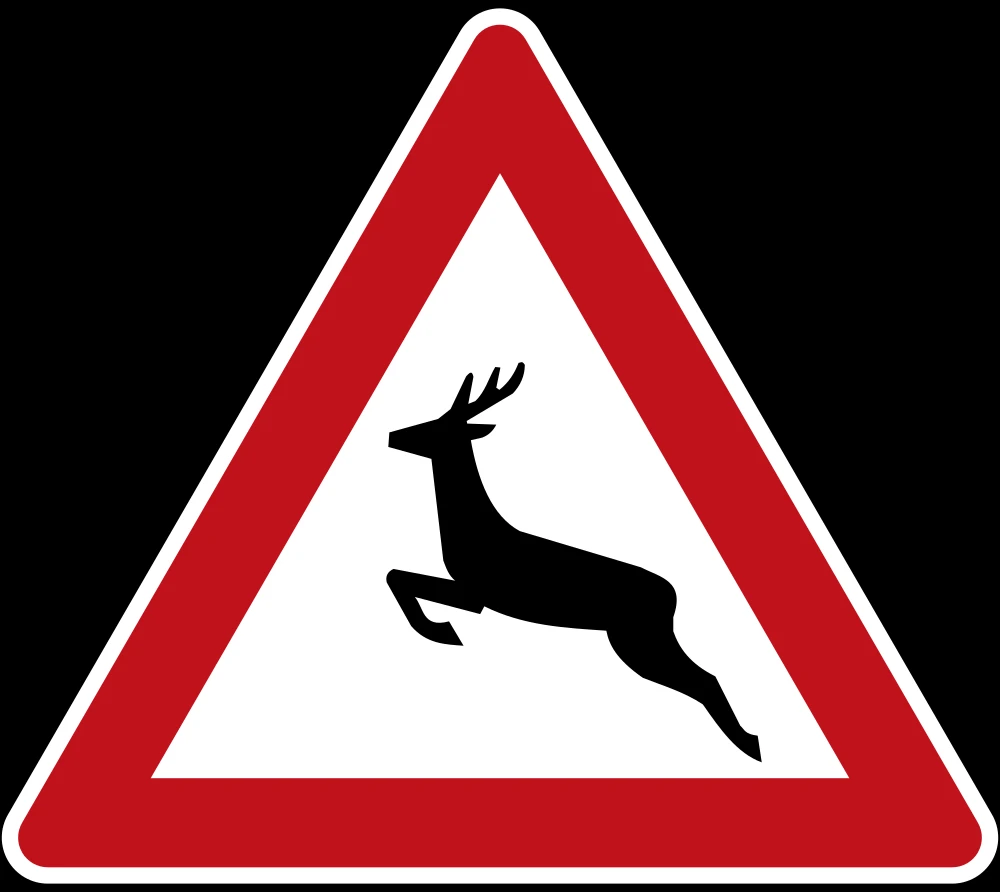
Warning for crossing deer.

Warning for a bad road surface.
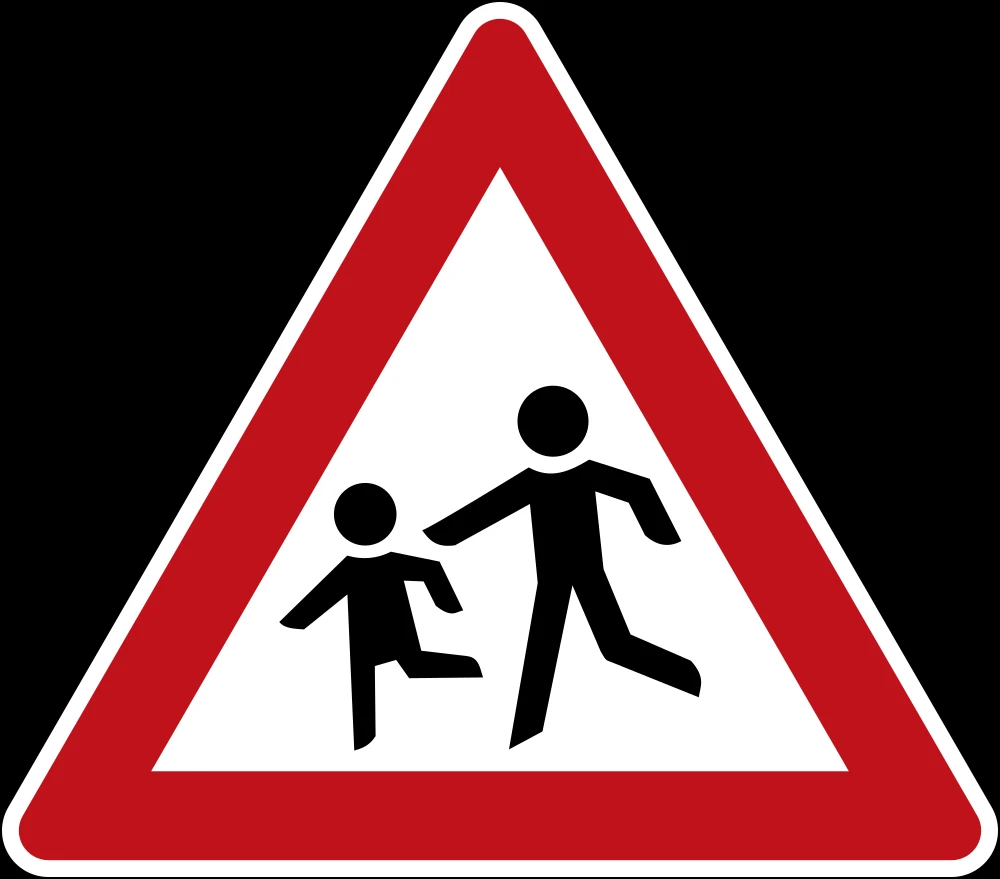
Warning for children.
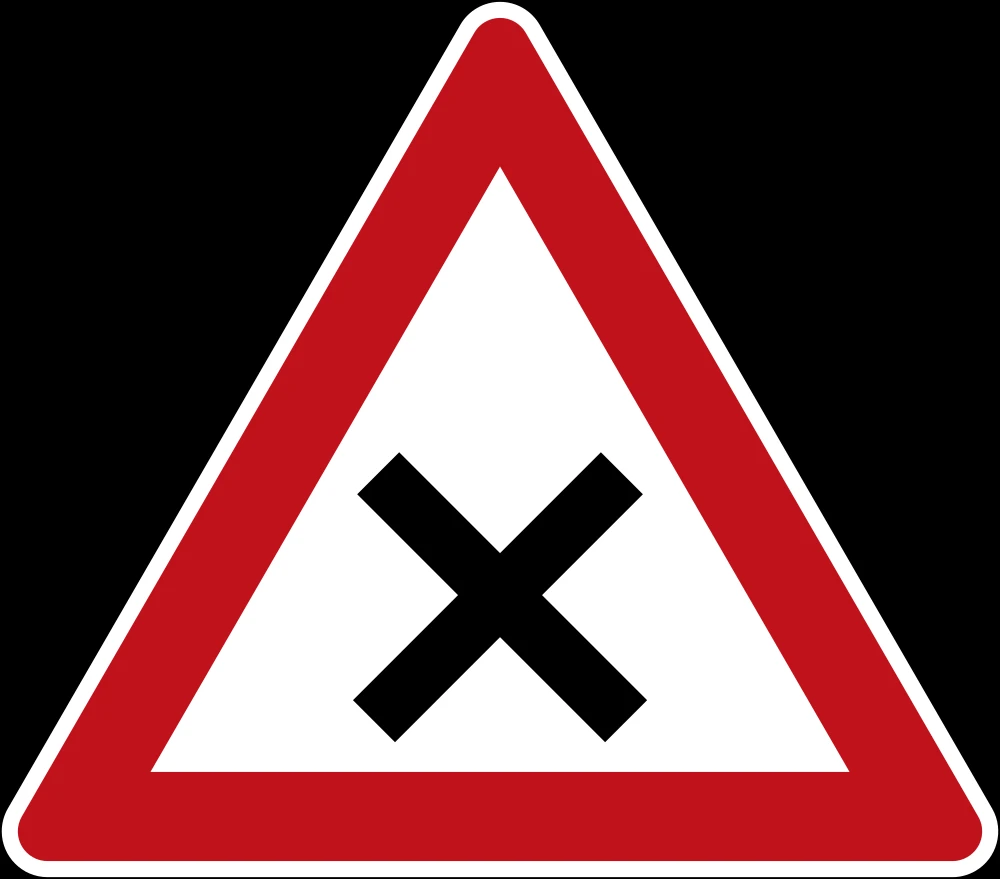
Warning for an uncontrolled crossroad.
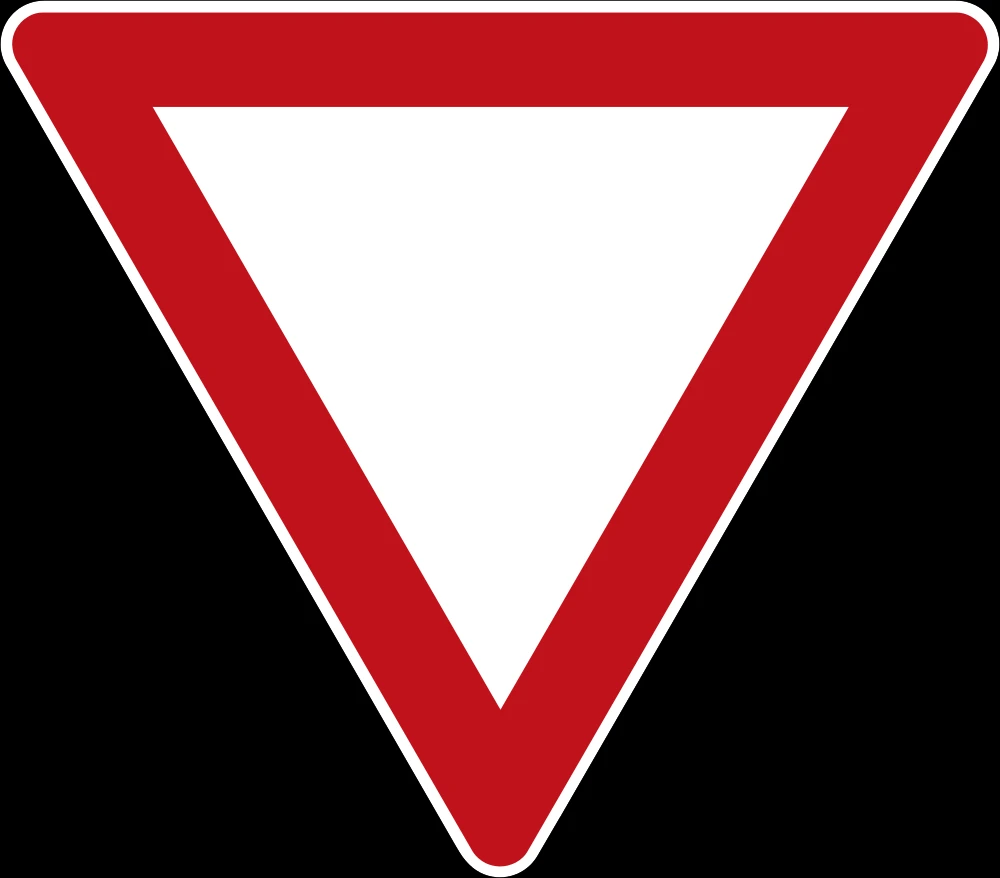
Give way to all drivers.
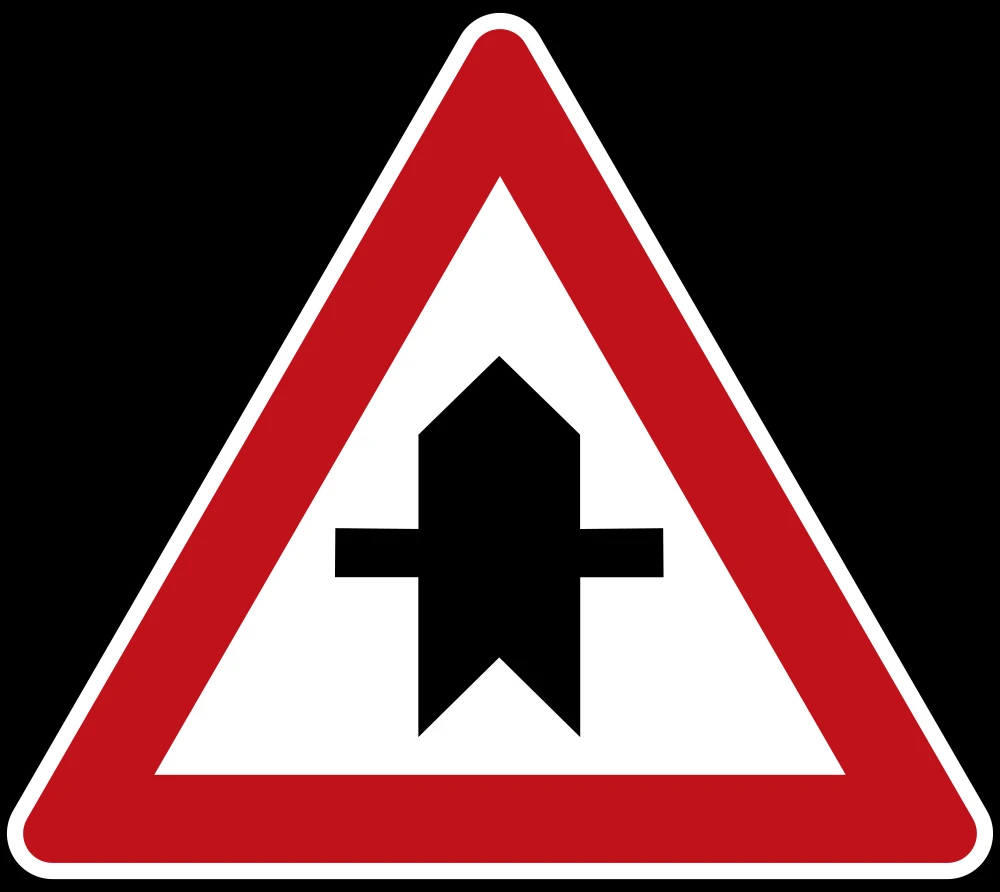
Warning for a crossroad side roads on the left and right.

Stop and give way to all drivers.
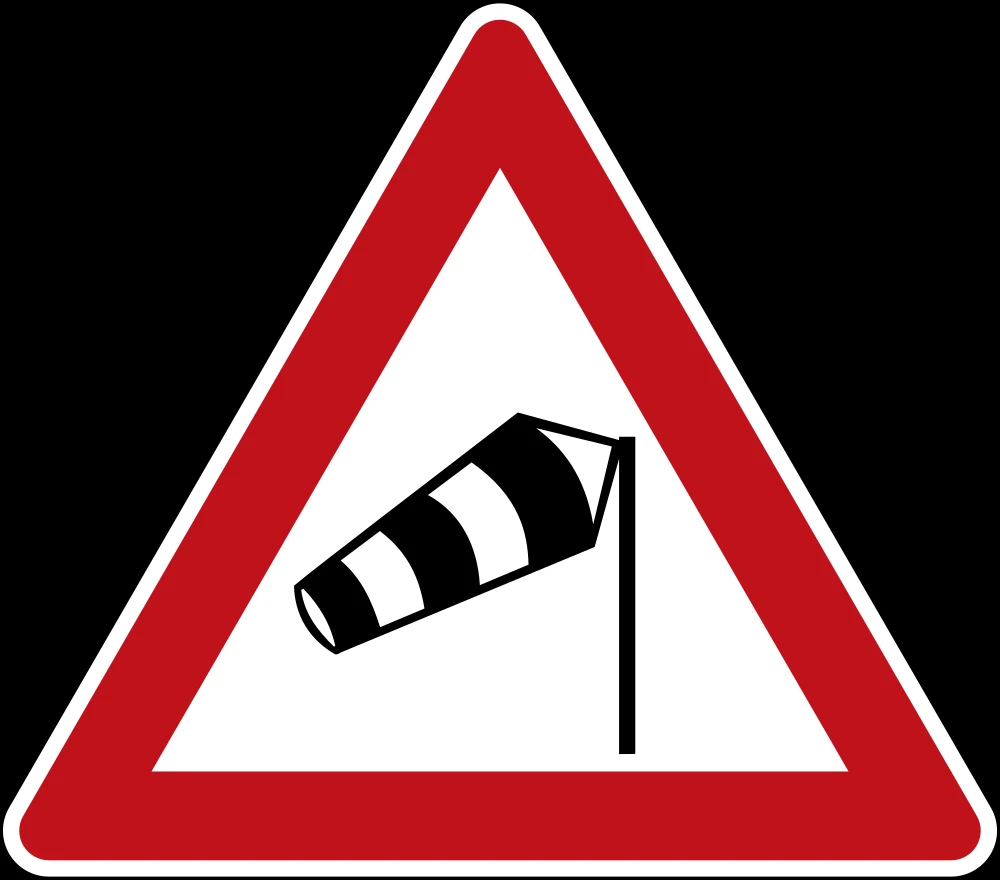
Warning for heavy crosswind.
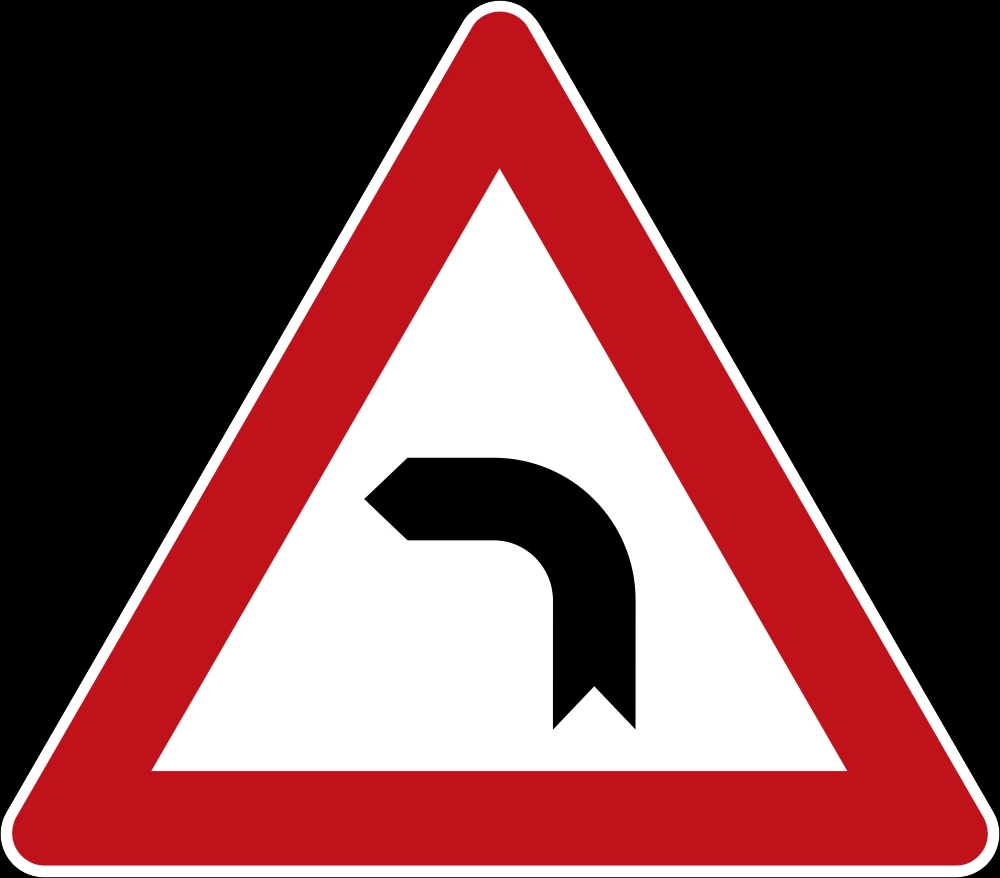
Warning for a curve to the left.
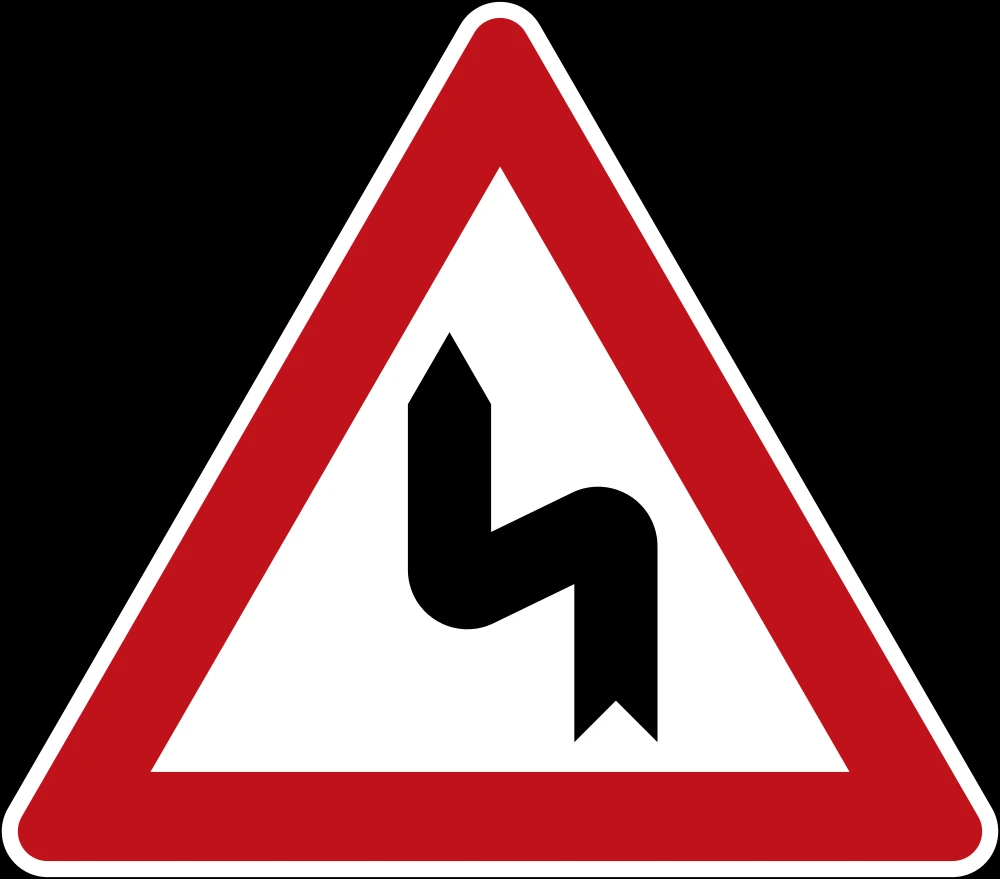
Warning for a double curve, first left then right.
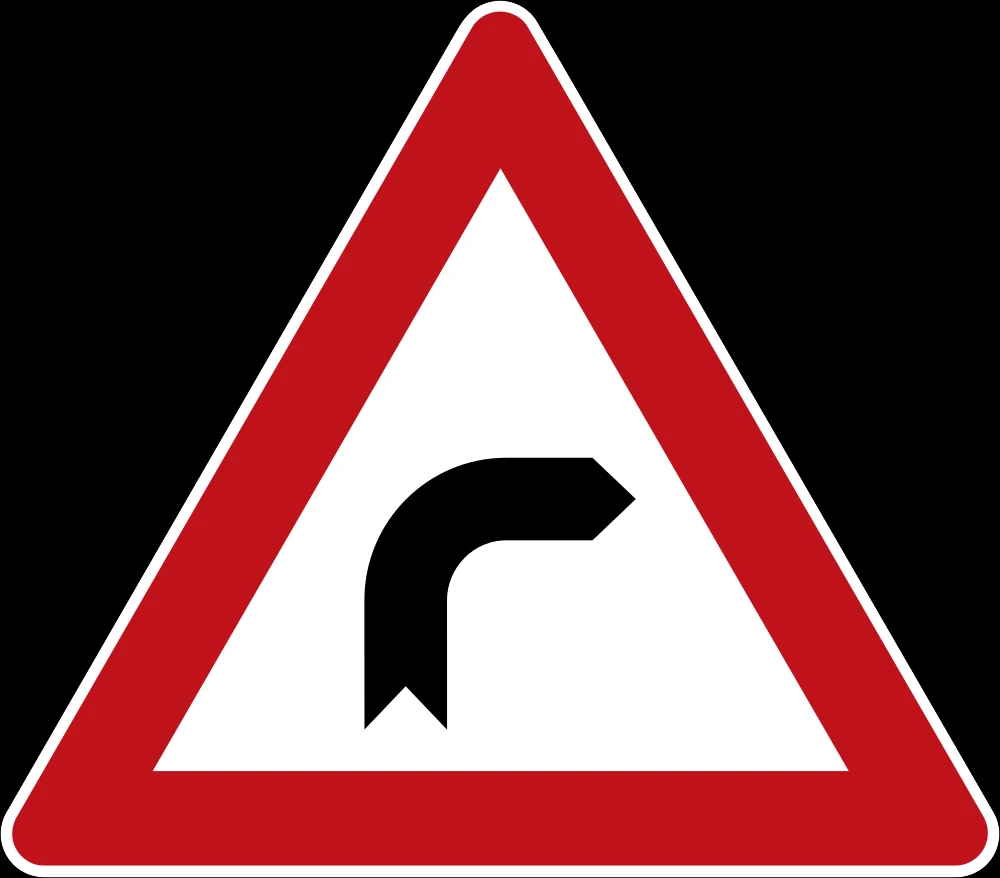
Warning for a curve to the right.
How Driving Licences Work in Germany
(Theory Test and Practical Test)
Germany’s driving licence process is structured and typically includes both theory learning and practical training through a driving school (Fahrschule). You usually need to pass the theory test before the practical test.
Types of driving licence
For most people, the main goal is a standard car licence (Category B). Other categories exist for motorcycles and commercial vehicles. Your category affects training requirements and tests.
Minimum age and eligibility
Age rules depend on the category. For cars, Germany allows “accompanied driving from 17” under specific conditions, with unrestricted solo driving from 18.
Because rules can vary, treat this as general guidance and verify your local authority’s current requirements.
What you usually need before applying
If you’re applying for a licence for the first time, a typical prep checklist includes:
- Registering with a driving school (Fahrschule).
- Completing a first aid course.
- Taking an eye test (Sehtest)
- Providing a biometric passport photo
Exact document requirements can differ by city and authority, so confirm what your local office requests.
The theory test in Germany (what to expect)
Germany uses a uniform computer-based testing system across the country, developed centrally and used by technical testing centres.
Key points for learners:
- The theory test can be taken in multiple languages (including English), depending on the official language options available.
- For Category B, the theory test is commonly 30 multiple-choice questions.
- Questions carry different penalty points, and you generally need to stay within the allowed limit to pass.
- Some test sessions may include video-based tasks within the 30 questions.
Your driving school typically handles registration for the test, and you’ll need required documents on the day of your appointment.
Where the exam happens: Depending on your region, tests are commonly conducted through authorised organisations such as TÜV NORD or DEKRA, working within Germany’s standardised exam system.
What the questions usually cover
Most theory preparation focuses on:
- Road signs and road markings
- Right of way (junctions, roundabouts, priority rules)
- Safe driving behaviour (following distance, speed choice, hazard awareness)
- Overtaking and lane discipline
- Basic safety rules (seat belts, distraction, alcohol/drugs)
A good practice approach is to learn the rule first, then test it with exam-style questions and explanations.
A simple study plan that works
If you’re starting from scratch:
- Day 1–2: Road signs by category (priority, warning, prohibitory, mandatory, information)
- Day 3–4: Core rules (right of way, roundabouts, lane changes, road markings)
- Day 5–7: Practice tests + explanation review (repeat weak topics)
Avoid memorising answer patterns. Focus on understanding why an answer is correct, because the test often checks decision-making, not just recall.
This website is not an official service. For official steps, fees, appointments, and the latest rules, use your local licensing authority and the official systems used in your region.
Frequently Asked Questions
Quick answers about theory test practice, road signs, and state selection.
Answer: Choose the federal state where you plan to register with a driving school and take your tests. The theory test system is standardised nationwide, but local processes (appointments, offices, schedules) can vary by region.
Answer: No. This is an independent educational resource and is not affiliated with any government or licensing authority. Use it to Practice and learn, then confirm official rules and booking steps with your local authority and test centre.
Answer: For Category B, the theory test is commonly 30 multiple-choice questions, with scoring based on penalty points. Your driving school typically registers you for the exam, and you should verify local rules before your appointment.
Answer: In many cases, yes. The theory test is offered in multiple languages, which can include English. Language options can depend on the official system and test centre, so confirm what’s available when booking.
Answer: Some theory tests can include video-based tasks as part of the standard set of questions. If you see a video task, you’ll usually be able to replay the clip before answering. practicing hazard-style questions can help.
Answer: Start with road signs and priority rules, then learn key topics like roundabouts, lane discipline, and safe following distance. After that, Practice questions daily and read explanations for every mistake so you improve faster.