
Spain Driving Licence Practice Tests, Traffic Signs
& Theory Test Guidance
Practice Spain driving licence theory test questions with clear explanations, learn Spanish road signs, and review key driving rules for theory preparation. This is an independent educational resource and is not affiliated with any government or licensing authority.
Select your region to start practicing theory test topics and local study areas. For official requirements and booking, refer to Spain’s traffic authority (DGT).
Spain Traffic Signs Guide
Before you take theory practice tests, make sure you understand Spanish road signs. Study by category (warning, priority, prohibition, mandatory, information), then Practice sign-based questions so you learn what each sign means in real driving situations.
Road Signs and Their Meanings

Warning for a danger with no specific traffic sign.
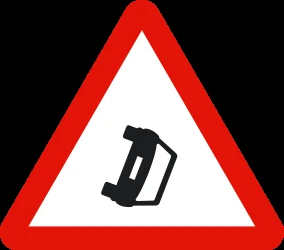
Warning for accidents.
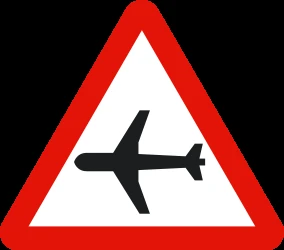
Warning for low-flying aircrafts.
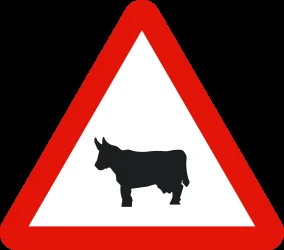
Warning for cattle on the road.
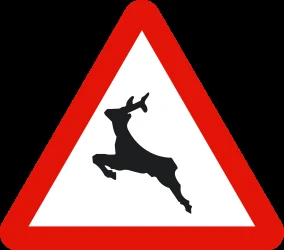
Warning for crossing deer.
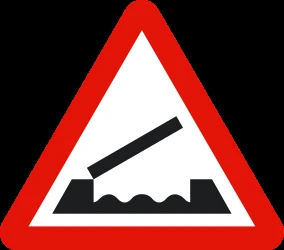
Warning for a movable bridge.
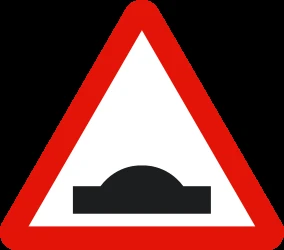
Warning for a speed bump.
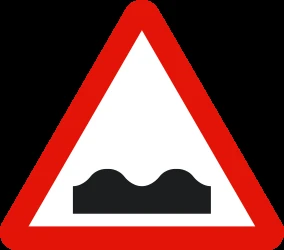
Warning for a bad road surface.
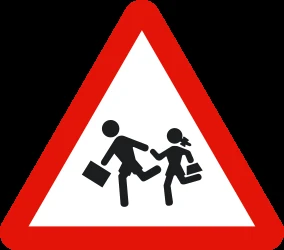
Warning for children.
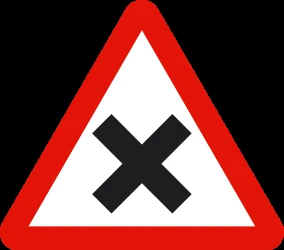
Warning for an uncontrolled crossroad.
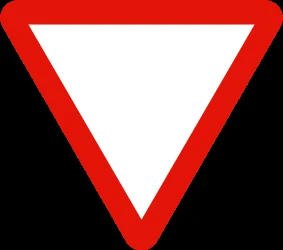
Give way to all drivers.
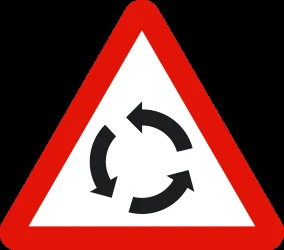
Warning for a roundabout.
Driving Rules & Safety Guidelines for Learners in Spain
Essential road rules, traffic signs, and safe-driving guidance to support theory exam prep and confident driving.
Categories
How Driving Licences Work in Spain
(Theory Test and Practical Test)
Learning driving theory is easier when you understand the licence process. In Spain, most learners prepare through a driving school or independent study, then pass a theory test and a practical driving test for the licence category they need. This page supports the study part: Practice questions, learn signs, and review common rules that appear in theory exams.
Because requirements can change, always confirm the latest official instructions for your area and licence category through DGT.
Minimum Age and Eligibility
Minimum age depends on the licence category. DGT’s official guidance lists minimum ages by category (for example AM, A1, A2, etc.). For car licences (Permiso B), the minimum age is typically 18, but always confirm your exact case through official sources.
Documents Commonly Required
Exact requirements vary, but most applicants should be ready to provide:
- Provide proof of identity and residence (if applicable)
- Provide a photo or signature captured along the way (if necessary)
- Provide proof of passage of medical/fitness examination or certificate (if required).
The current list of documents required will differ by situation, so please check DGT’s current rule for your specific situation.
Typical Application Steps
A typical path looks like:
- Choose your licence category (often B for cars).
- Study rules and signs (often via driving school materials).
- Book and take the theory test.
- Complete practical training and take the driving test.
- Receive your licence if you meet the criteria.
Spain Theory Test Format
For Permiso B, the theory test consists of 30 questions.
It commonly allows a maximum of 3 errors to pass (confirm on the official exam instructions used for your booking).
Spain has also introduced a video-based question to assess risk perception: you watch a short traffic scene and then answer based on what you observed.
How to Prepare Effectively
- Day 1–2: Learn road signs by category
- Day 3–4: Review key rules (priority, speed, intersections, safe distance)
- Day 5–7: Take theory practice tests daily and read the explanation for every mistake
Avoid memorising answers. Focus on the rule behind the option.
This site is not an official government website. For official exam booking, fees, eligibility rules, and the latest updates, refer to Spain’s DGT.
Frequently Asked Questions
Quick answers about Spain theory practice tests, traffic signs, and region selection.
Answer: Choose the region where you plan to apply or take your test. Rules are national, but selecting your region helps you follow the right local steps and Practice relevant topics on the site.
Answer: No. This website is an independent educational resource and is not affiliated with any government or licensing authority. Use it for learning, and confirm official exam rules and booking steps with DGT.
Answer: Yes. Road signs are a major part of theory learning. Study signs by category first, then Practice sign-based questions to improve recognition and reduce mistakes in the test.
Answer: The DGT theory test for Permiso B consists of 30 questions. Use practice tests with explanations to understand the rule behind each answer, not just the final choice.
Answer: The video question is designed to check risk awareness in real traffic scenes. You view the clip first, then answer based on what you noticed and how you would respond safely.