
Greece Driving Licence Practice Tests, Traffic Signs
& Ministry of Transport Guidance
Practice Greece driving theory test questions, learn Greek road signs, and review key driving rules for theory preparation. This is an independent educational resource and is not affiliated with any government or licensing authority.
Driving Rules & Safety Guidelines for Learners in Greece
Must-know road rules, traffic signs, and safe-driving habits to support theory test prep and confident driving.
Road Signs and Their Meanings
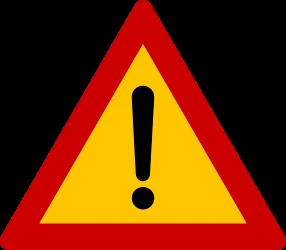
Warning for a danger with no specific traffic sign.
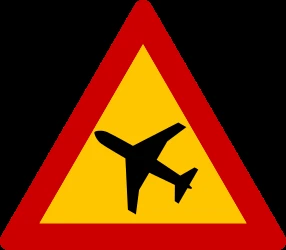
Warning for low-flying aircrafts.
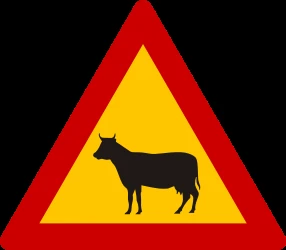
Warning for cattle on the road.
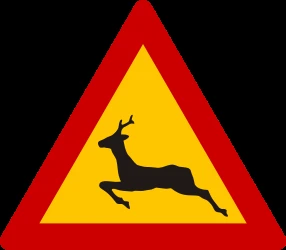
Warning for crossing deer.
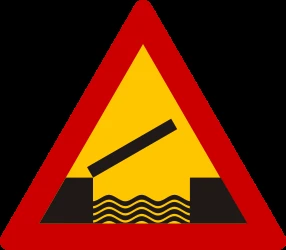
Warning for a movable bridge.
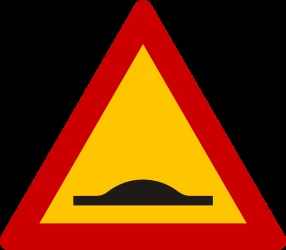
Warning for a speed bump.
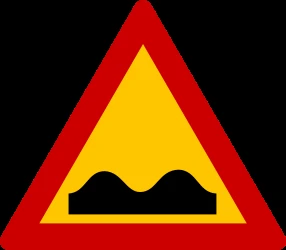
Warning for a bad road surface.
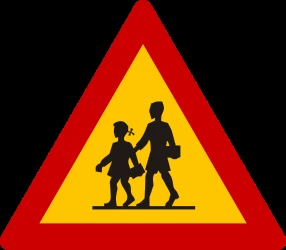
Warning for children.
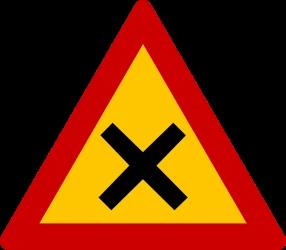
Warning for an uncontrolled crossroad.
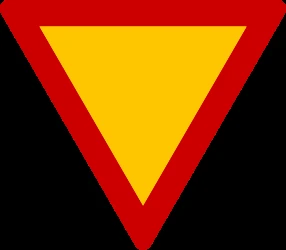
Give way to all drivers.
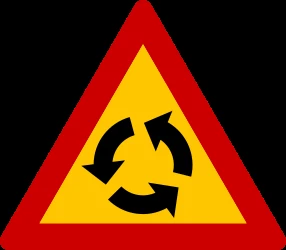
Warning for a roundabout.
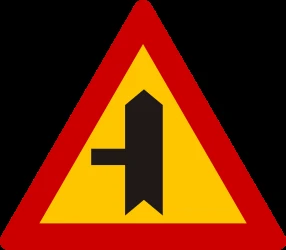
Warning for a crossroad with a side road on the left.
Driving Rules & Safety Guidelines for Learners in Greece
Must-know road rules, traffic signs, and safe-driving habits to support theory test prep and confident driving
Categories
How Driving Licences Work in Greece
(Theory Test and Practical Test)
Learning driving theory is easier when you understand the licensing process. In Greece, new drivers normally complete approved training through a driving school and then take a theory test followed by a practical driving test. Greece’s government does most of its business through public services. The Ministry of Infrastructure and Transport (through gov.gr) provides rules for official processes; therefore it is critical to verify that you have the most recent version of each rule regarding your location before applying for something official.
This page helps you prepare in a practical way: Practice exam-style questions with explanations, study Greek traffic signs, and review common driving rules that appear in the theory exam.
Types of Driving Licence in Greece
Greece follows EU-style licence categories. Common examples include:
- AM: mopeds and light quadricycles
- A1 / A2 / A: motorcycles (by engine/power limits)
- B: passenger cars and light vehicles
Minimum ages depend on the category (for example, car licence category B is typically 18, while AM may start earlier). Always match your practice and study plan to the category you’re applying for.
Minimum Age and Eligibility
Eligibility depends on the category you want. In general, you’ll need to:
- Meet the minimum age for your licence category
- Complete required training hours through an approved driving school
- Meet any medical/fitness requirements that apply
- Provide identity details and supporting documents as required by the official process
Because requirements can change and may have case-specific details, treat this section as general guidance and verify the latest official requirements before you submit.
Documents Commonly Required for a First-Time Licence
Exact document lists can vary by case, but applicants commonly prepare:
- Proof of identity
- Residency/address details (as required)
- Tax/registration identifiers where applicable for Greek services
- Passport-style photo (or digital photo captured during the process)
- Medical certificates if required for your category
- Any forms or authorisations needed for your driving school to submit steps on your behalf
Tip: Keep digital copies ready, because parts of the flow may be handled online and/or through your driving school.
Typical Application Steps
A typical first-time flow in Greece often looks like this:
- Register with a driving school and start required theory training
- Complete the minimum required training hours (theory + practical, depending on category)
- Take the theory exam (rules + road signs)
- Take the practical driving test after you pass theory
- Receive your driving licence after successful completion
This website supports the study part of that journey by helping you practice questions and learn signs before the theory test.
Greece Theory Test Format
The theory exam usually checks:
- Road sign recognition (warning, regulatory/mandatory, informatory)
- Rules of the road (right of way, lane discipline, safe speed, overtaking)
- Safety rules (seat belts, helmets, distraction rules, safe distance)
Exam structure can vary by category and updates, so Practice regularly and focus on understanding the explanations, not memorising answers. (That’s what helps when questions are reworded.)
Key Driving Rules to Study
If you want to cover the topics that most often appear in Greece driving theory test questions, prioritise:
- Speed limits and safe speed choices (urban vs rural vs motorway)
- Priority rules at junctions and roundabouts
- Overtaking rules and safe following distance
- Seat belts / child safety rules
- Mobile phone and distraction safety
- Signs + road markings (especially regulatory signs)
For quick reference, general speed limits are often listed as around 50 km/h in built-up areas, 90 km/h on rural roads, 110 km/h on expressways, and 130 km/h on motorways, unless signs show otherwise.
How to Prepare Effectively
If you’re starting from scratch, a simple plan works well:
- Day 1–2: Learn Greek road signs by category
- Day 3–4: Review key rules (priority, speed behaviour, markings, safe overtakes)
- Day 5–7: Practice Greece driving licence questions and review explanations for mistakes
Avoid memorising answers. Focus on why an option is correct, and you’ll handle new question variations much better.
Important Note on Official Sources
This site is not an official government website. For official forms, fees, eligibility rules, training requirements, and the latest updates, refer to your driving school and Greece’s official public service guidance on gov.gr and the Ministry of Infrastructure and Transport.
Frequently Asked Questions
Quick answers about Greece driving licence practice tests, road signs, and theory preparation.
Answer: Start by confirming which licence category you’re applying for (for many new drivers, it’s category B for cars). Categories and minimum ages differ (AM, A1/A2/A, B, etc.), so practicing the right category helps you focus on the most relevant rules and sign questions.
Answer: No. This website is an independent educational resource and is not affiliated with any government or licensing authority. The questions are for learning and Practice. Always check the latest official exam rules and requirements through gov.gr and your driving school.
Answer: Yes. Road sign recognition is a core part of theory preparation and safe driving. Study signs by category first, then Practice sign-based questions so you improve recognition and reduce mistakes under exam timing.
Answer: General limits are often shown as 50 km/h in towns, 90 km/h on rural roads, 110 km/h on expressways, and 130 km/h on motorways, but the correct answer in real driving is always the posted sign for that road and conditions.
Answer: Use a simple routine: learn signs first, then study key rules (priority, speed, overtaking, safety), then Practice exam-style MCQs and read every explanation, especially on mistakes. Also confirm any updated official requirements through gov.gr so your preparation matches the current process.