
Nepal Driving Licence Practice Tests, Traffic Signs &
DoTM Guidance
The practice test for the Nepal driver’s license can help you learn the rules of driving and location signs while preparing to obtain your license. This is an alternate educational resource and no affiliation exists with the licensing authority or government.
Nepal Traffic Signs Guide
Before you take Nepal driving licence practice tests, make sure you understand Nepal road signs. Study signs by category and learn what each sign means in real driving situations.
Road Signs and Their Meanings
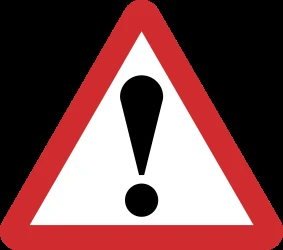
Warning for a danger with no specific traffic sign.
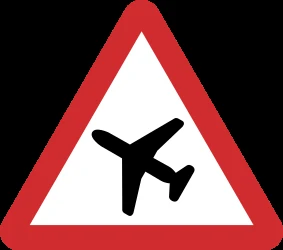
Warning for low-flying aircrafts.
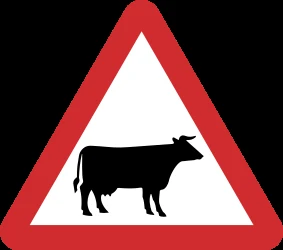
Warning for cattle on the road.
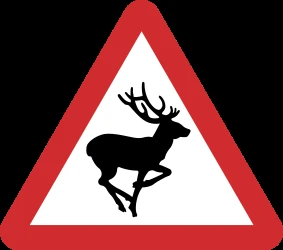
Warning for crossing deer.
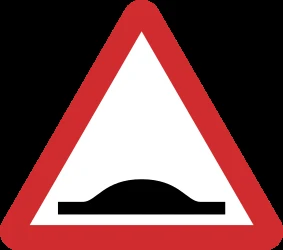
Warning for a speed bump.
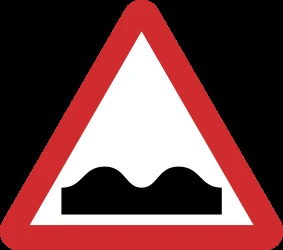
Warning for a bad road surface.
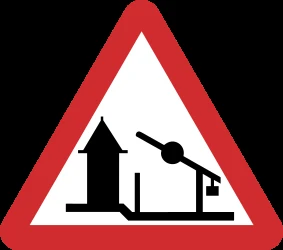
Warning for a checkpoint.
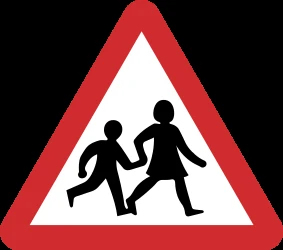
Warning for children.
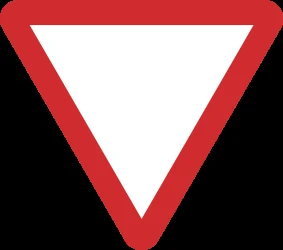
Give way to all drivers.
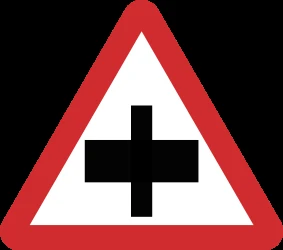
Warning for a crossroad, give way to all drivers.
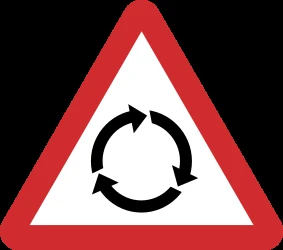
Warning for a roundabout.
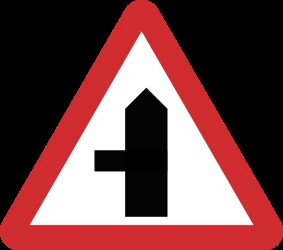
Warning for a crossroad with a side road on the left.
Driving Rules & Safety Guidelines for Learners in Nepal
Core road rules, traffic signs, and safety guidance to strengthen written test preparation and safer driving.
Categories
How Driving Licences Work in Nepal
(DoTM Process and Tests)
The Theory Prep Process Is Easier When You Understand The Nepal Driving License Process Explained Here. The Department of Transport Management (DoTM) is responsible for issuing and managing driving licenses in Nepal. Licensing In Nepal Is Done Through The Department of Transport Management (DOTM) And Is Under The Ministry Of Physical Infrastructure And Transport.
Most first-time applicants must:
- Complete An Online Application
- Attend A Biometric Verification Appointment
- Pass A Theory (Written) Test
- Pass A Practical Vehicle Test.
This supports You During The Theory Exam Stage Of The Application Process By Allowing You To Practice Questions Related To The Theoretical Exam, Look At Various Types Of Road Signs, And Understand The Rules Of The Road.
Types of Driving Licence in Nepal
The types of licenses issued in Nepal are varied based on the vehicle that will be driven:
- Category A Motorcycle/Scooter
- Category B Car/Jeep/Van (Light Vehicle)
- Category C Three-Wheeler/Tempo
- Category D/E Large Vehicle(Bus/Truck, etc.)
Most people that apply for their first license will apply for either an A or B and thus will want their practice to match the type of license applied.
Minimum Age and Eligibility
Typical minimum age requirements include:
- Motorcycle – Class A : minimum age = 16
- Car – Class B : minimum age = 18
- Truck or Bus – Class C : minimum age = 21
Applicants are generally required to:
- Hold valid citizenship certificate
- Complete Biometric Registration
- Pass a Written Test
- Pass a Driving Test
Due to the nature of continually changing policy and eligibility requirements check with DoTM for up to date information.
Documents Commonly Required
While exact requirements may vary, applicants commonly prepare:
- Certificate of Nepali citizenship
- Certificate of Online application form confirmation
- Passport-size photographs
- Medical fitness certificate (if applicable)
- Applicable fees
Please confirm what documents are required with your local Transport Management Office prior to test day.
Typical Application Steps in Nepal
If you’re applying for your first driver’s licence, this is typically how it works:
- Fill out the online application on the official DoTM Website.
- Go to your local office to provide your fingerprints and photo
- You need to take two tests:
- Written test
- Practical test
- Once completed and approved, you receive your driver’s licence.
This website will help support you with Practice Nepal driving licence written test questions prior to your examination date.
Nepal Written Test Format
The Nepal driving licence written test typically evaluates:
- Traffic sign recognition
- Road safety rules
- Right-of-way regulations
- Speed limits
- Lane discipline
- Basic vehicle knowledge
The written test is usually multiple-choice. Passing marks are required before you can attempt the trial test.
Always verify the current test format and passing criteria before your exam date.
Key Driving Rules to Study for Nepal
In your preparation for the Nepal driving licence test, be sure to pay attention to the following items:
- Traffic regulations for left-hand.
- Speed limits
- 40–50 km/h in urban areas
- Higher limits on highways depending on signage
- Motorcycle safety requirements
- Driver seat belt requirements
- Proper use of your vehicle’s indicators and lane positioning
- Overtaking and passing regulations
Always follow posted traffic signs, as they override general limits.
How to Prepare Effectively
If you are starting from scratch:
- Day 1–2: Learn traffic signs in Nepal by category
- Day 3–4: Learn and/or review priority rules of the road and the principles of safe driving
- Day 5–7: Practice with written tests of the Nepal driving licence and read the explanations of all answers
Don’t memorise answers!! Try to understand the reasoning behind the rules of the road, and remember that they are meant to keep you safe on the road while driving in Nepal.
This website is not an official government platform. For official application procedures, appointment booking, fees, and updated licensing requirements, refer to the Department of Transport Management (DoTM) or your local Transport Management Office.
Frequently Asked Questions
Quick answers about Nepal driving licence practice tests, traffic signs, and application steps.
Answer: The minimum age is generally 16 for motorcycles and 18 for cars, though heavy vehicle categories require a higher minimum age.
Answer: The written test format may vary by office, but it typically includes multiple-choice questions covering traffic rules and road signs.
Answer: No. This website is an independent educational resource and is not affiliated with any government authority.
Answer: Nepal drives on the left side of the road.
Answer: Study traffic signs carefully, understand right-of-way rules, Practice multiple-choice questions regularly, and review explanations before attempting the official exam.