
Slovakia Driving Licence Practice Tests, Traffic Signs & Police / Slovensko.sk Guidance
Get ready for your Slovakia driving licence theory test by practicing real exam-style questions, studying Slovak road signs, and refreshing your knowledge of essential driving rules. This is an independent educational resource and is not affiliated with any government or licensing authority.
Slovakia Driving Theory Test – Licence Practice Questions
Prepare for the Slovakia driving licence theory exam with free practice questions covering traffic signs and driving rules.
Road Signs and Their Meanings
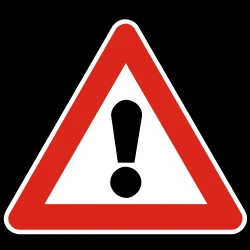
Warning for a danger with no specific traffic sign.
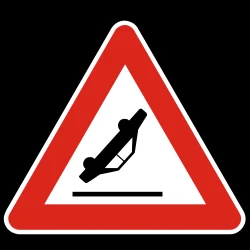
Warning for accidents.
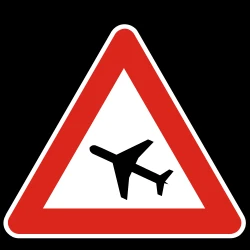
Warning for low-flying aircrafts.
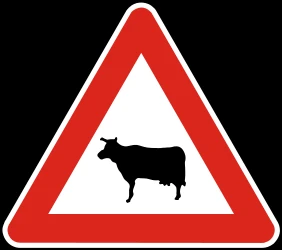
Warning for cattle on the road.
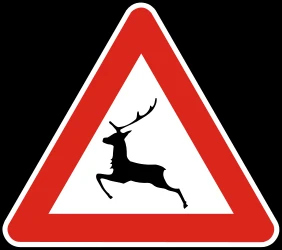
Warning for crossing deer.
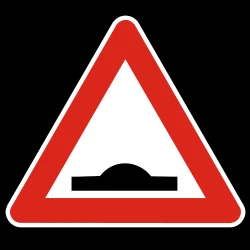
Warning for a speed bump.
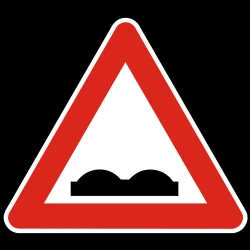
Warning for a bad road surface.
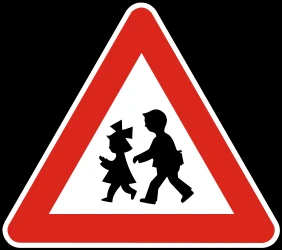
Warning for children.
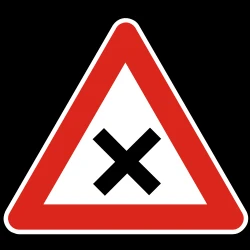
Warning for an uncontrolled crossroad.
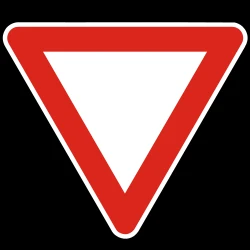
Give way to all drivers.
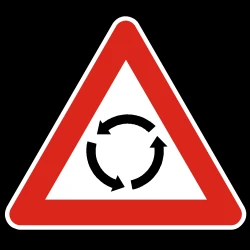
Warning for a roundabout.
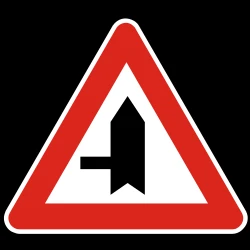
Warning for a crossroad with a side road on the left.
Road Safety Guidelines
Learn essential road signs for your driving licence test. Understanding these signs is
crucial for safe driving and passing your Driving exam.
Categories
How Driving Licences Work in Slovakia
(Driving School, Theory Test & Practical Driving Test)
Learning driving theory is easier when you understand the licence process. In Slovakia, the proficiency test for a driving licence includes a theory exam and a driving test. The official Slovensko.sk guidance explains that the driving test is split into two parts: one part on a training ground (or other suitable area) and one part in real road traffic, including city traffic.
The same official guidance also states that proficiency tests are conducted by police departments (district traffic inspectorates, and regional traffic inspectorates in Bratislava and Košice).
This page helps you prepare in a practical way: practise Slovakia theory-test questions with explanations, study Slovak traffic signs, and review common driving rules that appear in the exam.
Types of Driving Licence in Slovakia
Slovakia follows EU-style driving licence categories. Common examples include:
- AM – mopeds
- A1 / A2 / A – motorcycles
- B – passenger cars (most common first licence)
- C / D – trucks and buses
For most first-time car drivers, Category B is the relevant starting category (commonly targeted in theory-test prep).
Minimum Age and Eligibility
Eligibility depends on the category you are applying for. In general, applicants should expect to meet:
- The minimum age requirement of the chosen category
- The training requirement of their driving school
- Any and all medical or fitness requirements that apply
- The documentation needed during both the application and exam process
Because exact conditions can vary by category and personal situation, treat this section as general guidance and confirm current rules through official Slovak sources and your driving school.
Documents Commonly Required for a First Driving Licence
Exact requirements may vary by category and case, but applicants commonly prepare:
- Proof of identity
- Required driving-school documentation/certificates
- Medical certificate or health confirmation (where required)
- Application-related forms and fees
Before submitting your application or booking an exam, verify the latest requirements with your driving school and the relevant police authority.
Typical Application Steps
A typical first-time Category B path in Slovakia often looks like this:
- Enroll in a driving school and complete required theory/practical training
- Prepare the required documents for the exam/application process
- Take the theory exam (officially described as a test)
- Take the driving test, which includes a training-ground part and an on-road part in traffic conditions
- Complete licence issuance steps after passing the required exams
This website supports the study part of that journey by helping you practise questions and learn signs before the theory test.
Slovakia Theory Test Format
Official Slovensko.sk guidance states that the theory exam has the form of a test as part of the proficiency test for a driving licence.
In practice, theory preparation usually focuses on:
- Road sign recognition
- Traffic rules and right-of-way
- Speed limits and safe-driving behaviour
- Road markings and basic safety knowledge
The best preparation is to practise regularly and review explanations for mistakes, not just memorise answers.
Key Driving Rules to Study
If you want to focus on what commonly matters in Slovakia theory prep, prioritise:
- Road sign recognition (warning, prohibition, mandatory, priority signs)
- Right-of-way rules at intersections
- Speed-limit logic and posted-sign overrides
- Seat belts and child safety
- Lane discipline and overtaking rules
- Drink-driving and safe driving behaviour
Don’t memorize the different ways to create responses, focus on the reason for making the correct choice.
This site is not an official DMV service. For official forms, fees, appointment rules, eligibility, and test policies, always use your state’s DMV website and handbook.
How to Prepare Effectively
If you are starting from scratch, a simple plan works well:
- Day 1–2: Learn Slovak traffic signs by category
- Day 3–4: Review key rules (priority, speed, markings, safety)
- Day 5–7: Practise Slovakia driving theory questions and review explanations for every mistake
Avoid memorising answers. Focus on understanding why an option is correct. That helps in the test and in real driving situations.
Important Note on Official Sources
This site is not an official government website. For official procedures, legal requirements, and the latest updates on the driving licence proficiency test in Slovakia, refer to official Slovak government guidance (Slovensko.sk) and the relevant police traffic inspectorate.
Frequently Asked Questions
Quick answers about Slovakia driving theory practice tests, traffic signs, and exam preparation.
Answer: Yes. Official Slovensko.sk guidance says the proficiency test includes a theory exam and a driving test.
Answer: No. This website is an independent educational resource and is not affiliated with any government or licensing authority. The questions are for learning and practise, while official exams are handled through Slovakia’s official licensing system.
Answer: Official guidance states that proficiency tests are conducted by police departments, including district traffic inspectorates and regional traffic inspectorates in Bratislava and Košice.
Answer: Official Slovensko.sk guidance states that the theory exam has the form of a test.
Answer: Learn road signs first, then focus on priority and safety rules, then practise exam-style questions regularly and review every explanation carefully. Also confirm your current category-specific requirements with your driving school and official sources before test day.