
Sweden Driving Licence Practice Tests, Traffic Signs & Trafikverket / Transportstyrelsen Guidance
Practise Sweden driving theory test questions, learn Swedish road signs, and review key driving rules for theory preparation. This is an independent educational resource and is not affiliated with any government or licensing authority.
Sweden Traffic Signs Guide
Before you take Sweden driving licence practice tests, make sure you understand Swedish road signs. Study signs by category and learn what each sign means in real driving situations on city roads, rural roads, and motorways.
Road Signs and Their Meanings
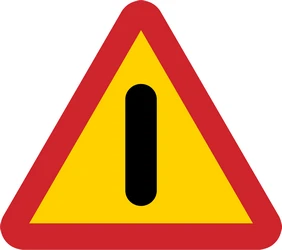
Warning for a danger with no specific traffic sign.

Warning for low-flying aircrafts.

Warning for boars on the road.
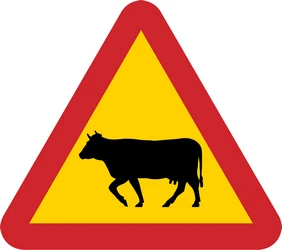
Warning for cattle on the road.
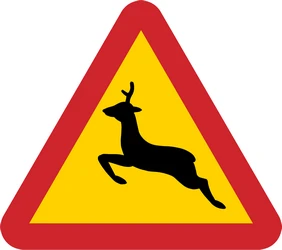
Warning for crossing deer.

Warning for wild horses on the road.

Warning for moose on the road.
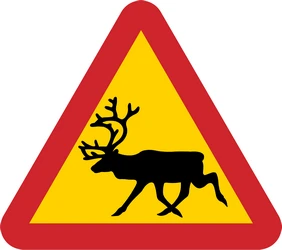
Warning for reindeer on the road.
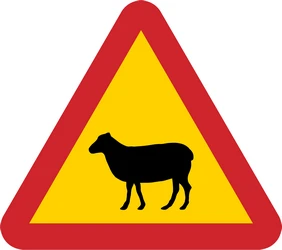
Warning for sheep on the road.

Warning for a movable bridge.

Warning for a bad road surface.
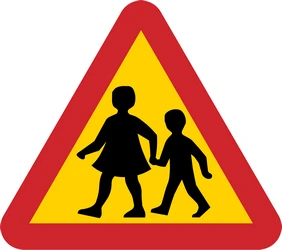
Warning for children.
Driving Rules & Safety Guidelines for Learners in Sweden
Must-know road rules, sign awareness, and safety habits to support theory test prep and safer driving.
Categories
How Driving Licences Work in Sweden
(Learner’s Permit, Risk Training, Theory Test & Driving Test)
When you start understanding the licence process then learning driving theory will be easier for you. In Sweden, first-time drivers usually need a learner’s permit, required training, and a driving test process that includes both a theory test and a practical driving test. Transportstyrelsen (Swedish Transport Agency) and Trafikverket (Swedish Transport Administration) publish the official requirements and exam guidance.
For a Category B (car) licence, Trafikverket’s official page explains the requirements, how the theory and driving tests work, and what to prepare before taking the tests.
This page helps you prepare in a practical way: practise Sweden theory-test questions with explanations, study Swedish traffic signs, and review common driving rules that appear in the exam.
Types of Driving Licence in Sweden
Sweden uses EU-style driving licence categories. Common examples include:
- AM – mopeds
- A1 / A2 / A – motorcycles
- B – passenger cars (most common first licence)
- C / D – lorries and buses
Transportstyrelsen publishes the official driving licence categories and age requirements by category.
Minimum Age and Eligibility
Eligibility depends on the category. For common first categories (group 1: AM, A1, A2, A, B, BE), Transportstyrelsen states that the learner’s permit application includes a health declaration and an eye test certificate.
For category B learners, you also need a valid learner’s permit before taking the driving test path, and if you practise privately, you need an approved accompanying driver and an introduction course.
Because requirements vary by category and situation, treat this section as general guidance and verify the latest official requirements before applying.
Documents Commonly Required for a Learner’s Permit / Test Day
Based on official guidance, applicants commonly need:
- learner’s permit application (for the correct category group)
- health declaration and eye test certificate for group 1 categories
- valid ID for exam day (Trafikverket says valid ID is required at the theory test)
- risk training completion (see below) before the category B theory test
Trafikverket also notes that your photo is taken before your first theory test, and you should arrive early.
Typical Application Steps
A typical first-time Category B path in Sweden often looks like this:
- Apply for a learner’s permit with the required health declaration and eye test certificate (group 1) via Transportstyrelsen
- Complete required training, including the risk course (both parts for category B before theory test)
- Book your tests with Trafikverket (or via your driving school)
- Take the theory test (knowledge exam) first
- Take the practical driving test at a Trafikverket test centre
This website supports the study part of that journey by helping you practise questions and learn signs before the theory test.
Sweden Theory Test Format
Trafikverket’s support page lists regular test time for category B as 50 minutes and also describes support options such as extended time, oral support, and interpreter-supported tests.
Trafikverket also confirms that you can apply for adapted theory test support (for example, extended duration, oral support, or interpreter support).
In practice, theory preparation should cover:
- Road sign recognition
- Traffic regulations and right-of-way
- Safe driving behaviour
- Speed limits and road markings
- Hazard awareness and decision-making
Key Driving Rules to Study
If you want to focus on what commonly matters in Sweden theory prep, prioritise:
- Road sign recognition (warning, prohibition, mandatory, priority signs)
- Right-of-way rules at intersections
- Speed-limit logic and posted-sign overrides
- Winter driving awareness (traction, stopping distance, visibility)
- Seat belts and child safety
- Drink-driving and safe driving behaviour
Sweden’s official pages emphasize preparation and proper training before tests, and Trafikverket recommends booking in time and allowing enough time to study and practise.
How to Prepare Effectively
If you are starting from scratch, a simple plan works well:
- Day 1–2: First start learn Swedish traffic signs by category
- Day 3–4: Then, Review key rules (priority, speed, markings, safety)
- Day 5–7: Practise Sweden driving theory questions and review explanations for every mistake
Avoid memorising answers. Focus on understanding why an option is correct. That helps with reworded questions and real driving situations.
Important Note on Official Sources
This site is not an official government website. For official learner’s permit applications, training requirements, test booking, and the latest updates, refer to Transportstyrelsen and Trafikverket. Official pages explain learner’s permit applications, category rules, test centres, and test requirements.
Frequently Asked Questions
Quick answers about Sweden driving theory practice tests, traffic signs, and learner’s permit steps.
Answer: Yes, for the standard licence path you generally need a valid learner’s permit, and Transportstyrelsen provides the learner’s permit application process and category-specific requirements.
Answer: No. This website is an independent educational resource and is not affiliated with any government or licensing authority. The questions are for learning and practise, while official tests are handled through Sweden’s official system (Trafikverket / Transportstyrelsen).
Answer: Yes. Trafikverket states that you must have completed both parts of the risk course, and the risk course must be valid when you come for your theory test.
Answer: Trafikverket’s theory test support page lists the regular category B theory test time as 50 minutes (with longer durations available for approved support cases).
Answer: Learn road signs first, then focus on right-of-way and safety rules, then practise exam-style questions regularly and review explanations carefully. Also make sure your learner’s permit and required training (including risk training) are completed before test day.