
Chile Driving Licence Practice Tests, Traffic Signs
& Municipalidad Guidance
Practice Chile driving licence theory test questions, learn Chilean road signs, and review key driving rules for theory preparation. This is an independent educational resource and is not affiliated with any government or licensing authority.
Driving Rules & Safety Guidelines for Learners in Denmark
Must-know road rules, signs, and safe-driving guidance to support theory test prep and safer driving.
Road Signs and Their Meanings
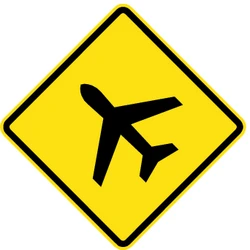
Warning for low-flying aircrafts.

Warning for cattle on the road.
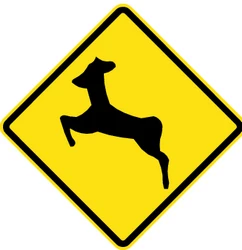
Warning for crossing deer.
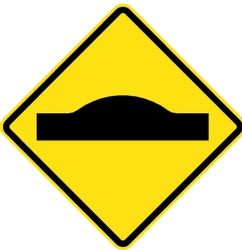
Warning for a speed bump.
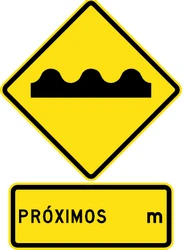
Warning for a bad road surface.
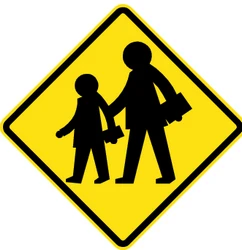
Warning for children.
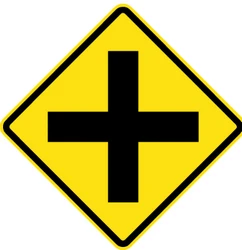
Warning for an uncontrolled crossroad.
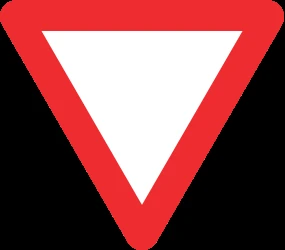
Give way to all drivers.
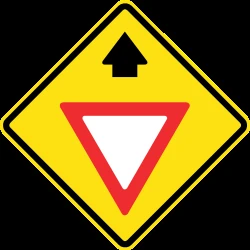
Give way ahead.
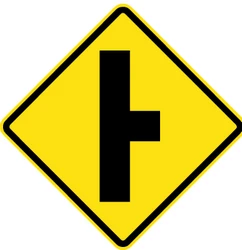
Warning for an uncontrolled crossroad with a road from the right.
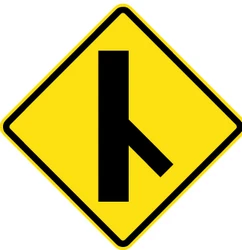
Warning for an uncontrolled crossroad with a sharp road from the right.
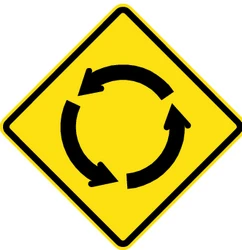
Warning for a roundabout.
Driving Rules & Safety Guidelines for Learners in Chile
Key driving rules, traffic signs, and safe-driving guidance to strengthen theory test preparation.
Categories
How Driving Licences Work in Chile
(Municipal Process and Licence Classes)
Learning driving theory is easier when you understand the licence process. In Chile, driving licences are managed through your Municipal Traffic Department (Dirección de Tránsito Municipal), where applicants typically complete a theory exam, medical/psychotechnical checks, and a practical driving test, depending on the licence class.
Chile has also updated parts of the system in recent years, including reforms to exams (such as the newer theoretical exam approach for Class B).
This page helps you prepare in a practical way: Practice exam-style questions with explanations, study Chile traffic signs, and review common rules that appear in learner and first-licence tests.
Types of Driving Licence in Chile
Chile uses licence classes based on the vehicle type. Common first licences include:
- Clase B: private cars and light vehicles (commonly the first licence for car drivers)
- Clase C / CR: motorcycles (class depends on the specific motorcycle category)
- Clase A (professional): professional passenger/cargo transport classes with extra requirements
If you’re applying for a standard car licence, you’ll usually prepare for Clase B.
Minimum Age and Eligibility
For many first-time applicants, common eligibility expectations include:
- Meeting the minimum age (often 18 for first-time Class B)
- Having a valid national ID (cédula de identidad)
- Meeting education/competency requirements (municipalities may ask for proof of basic education completion)
Because requirements can vary by municipality and can be updated, treat this as general guidance and verify your municipality’s current rules before booking your exam.
Documents Commonly Required for a First Licence
Exact document lists vary, but applicants commonly prepare:
- valid cédula de identidad
- proof of residence in the municipality where you apply (commonly requested in practice)
- proof of basic education level (often required for first-time applicants)
- any municipality-specific forms/fees and appointment confirmation (where applicable)
Tip: Many municipalities allow booking an appointment online depending on availability.
Typical Application Steps
A typical first-time flow for a car licence (Clase B) often looks like this:
- Check requirements and book an appointment with your municipality (if available).
- Present documents and complete medical/psychotechnical checks.
- Take the theory exam (rules + signs).
- Take the practical driving test (format depends on the licence class and current rules)
- Receive the licence outcome through the municipality (and follow renewal/issuance rules)
This website supports the study part of that journey by helping you Practice questions and learn signs before the test.
Learner/First-Time Theory Test Format in Chile
For Clase B, official communications describe an exam with 35 questions and a points-based scoring (with some questions worth double points) and an overall passing threshold based on total points.
In general, theory preparation should cover:
- Traffic sign recognition (regulatory, warning, information)
- Right-of-way and intersection rules
- Safe speed and hazard awareness
- Road markings and basic safety rules
The best preparation is to Practice consistently and review explanations for every mistake.
How to Prepare Effectively
If you are starting from scratch, a simple plan works well:
- Day 1–2: Learn Chile traffic signs by category
- Day 3–4: Review key rules (priority, speed behaviour, markings, safe overtaking)
- Day 5–7: Practice Clase B-style questions daily and review explanations
Avoid memorising answers. Focus on understanding why an option is correct. That’s what helps with reworded questions and real driving situations.
Important Note on Official Sources
This site is not an official government website. For official forms, fees, eligibility rules, appointment availability, and the latest updates, refer to ChileAtiende / gov.cl and your Municipal Traffic Department (Dirección de Tránsito).
Frequently Asked Questions
Quick answers about Chile driving licence practice tests, traffic signs, and municipal application steps.
Answer: Choose the municipality where you plan to apply, because the process is handled through the Dirección de Tránsito Municipal and appointment availability and document checks can vary. practicing with a Chile-focused set helps you study the most common national topics.
Answer: No. This website is an independent educational resource and is not affiliated with any government or licensing authority. The questions are for learning and Practice, and official exam rules should be checked through ChileAtiende/gov.cl and your municipality.
Answer: Yes. Road signs and their meanings are a core part of theory preparation. Study signs by category first, then Practice sign-based questions to improve recognition and reduce mistakes.
Answer: Official information about the updated Class B theory exam describes 35 questions with a points-based scoring system. Confirm the current details with your municipality when you book.
Answer: Learn signs first, then focus on priority rules and safe-driving logic, then Practice MCQs daily and read every explanation (especially mistakes). Also confirm your municipality’s requirements and any recent updates before your test date.