
UAE Driving Licence Practice Tests, Traffic Signs
& Licensing Guidance
Practice your UAE theory test questions here, learn the road signs for the UAE and review important driving regulations before you schedule your official test. When selecting your emirate, you’ll see information that relates to your local jurisdiction and commonly occurring test items. This is an independent educational tool that has no association with any government or licensing agency.
UAE Traffic Signs Guide
Before you take theory tests, make sure you understand UAE road signs and what each sign requires you to do. Road signs are a core part of UAE theory learning, and recognising shapes, colours, and common symbols helps you answer questions faster.
Road Signs and Their Meanings
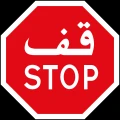
Stop

Stop (without Arabic language)
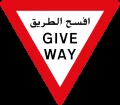
Give way
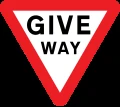
Give way (without Arabic language)

No entry
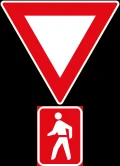
Give way to pedestrians
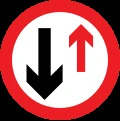
Priority for oncoming traffic
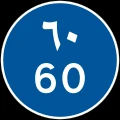
Minimum speed limit
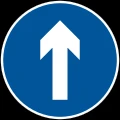
Proceed straight

Turn right

Turn left
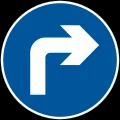
Turn left ahead
Driving Rules & Safety Guidelines for Learners in the UAE
Practical road rules, traffic signs, and safe-driving tips to support theory test preparation and safer driving in the UAE.
Categories
How Driving Licences Work in the UAE
Getting a driving licence in the UAE usually involves training with a registered driving institute and passing required tests. The general flow is similar across the country, but the exact steps, booking systems, and test scheduling are handled at the emirate level.
Getting a driving licence in the UAE usually involves training with a registered driving institute and passing required tests. The general flow is similar across the country, but the exact steps, booking systems, and test scheduling are handled at the emirate level.
Types of UAE Driving Licence
Most new drivers will apply for a driving license for a private car or light motor vehicle. However, there are also driving licenses for motorcycles and commercial vehicles. Each type of driver license has age restrictions, as well as different requirements for the amount of time spent in training and number of tests taken before the license is issued.
Minimum Age and Eligibility
The eligibility to obtain a driver’s license is based on the category of driver’s license, as well as the emirate in which you are living. The Roads and Transport Authority in Dubai, for example, has different age restrictions by category of driver’s license (e.g. age restriction for learner’s permit, age for when can receive driver’s license).
Always confirm the latest age and eligibility rules for your emirate before you start.
Documents You May Be Asked For
Document lists vary, but applicants are commonly asked for items like:
- Emirates ID (or proof of residency where applicable).
- Eye Testing Results from a recognised location.
- A copy of your Passport and your Visa page if you reside in the Emirates (where applicable).
- A photo of you (or a digital image taken during the application process).
- Forms or approvals particular to your emirate.
You should also have copies saved in digital form to make registration / booking simple.
Typical Steps
A practical “study + process” overview is outlined below:
- Open a driving file / traffic file with the relevant authority or via an approved institute (this step is explicitly part of the process in some emirates, such as Abu Dhabi through TAMM services).
- Complete an eye test at an approved centre.
- Attend theory training (often via a registered driving institute).
- Pass the theory (knowledge) test. In Dubai, the RTA flow includes booking stages like the knowledge test and later road tests.
- Complete practical training and required internal assessments (institute-specific).
- Pass yard/parking and road tests (test names and stages can vary by emirate/institute).
This site covers your study (i.e., practice questions with answers) to learn the traffic laws and rules. You should also refer to your specific emirate for the official procedures for booking your driving assessment and the requirements to be assessed.
What the UAE Theory Test Commonly Covers
Most theory tests focus on:
- Road signs and road markings (recognition + meaning)
- Right of way and intersections
- Safe following distance and hazard awareness
- Lane discipline, overtaking, and speed management
- Driver responsibility and safety rules
You can find an excellent foundation of knowledge for Dubai rules and subject matter from the Dubai RTA’s Light Motor Vehicle Handbook (for learner instructional authorisation and theory preparation).
How to Study
- Day 1–2: Learn road signs by category (mandatory, warning, prohibition, information).
- Day 3–4: Review key rules (right of way, roundabouts, lane changes, road markings).
- Day 5–7: Take practice tests, review explanations, and repeat weak topics.
Don’t forget! Learn to understand the reason behind each appropriate answer (Avoid memorising answer patterns).
Important Note on Official Sources
- This is not an official site for the purposes of presenting the most precise and up-to-date information or compliance with UAE Laws and Admin Procedures; refer to Emirates Government for further guidelines
- Use your emirate’s services for the actual process (for example, Dubai RTA services and Abu Dhabi’s TAMM journey pages).
UAE Traffic Signs Guide
Before you take theory tests, make sure you understand UAE road signs and what each sign requires you to do. Road signs are a core part of UAE theory learning, and recognising shapes, colours, and common symbols helps you answer questions faster.
Frequently Asked Questions
Quick answers about learner permit practice tests, traffic signs, and state selection.
Answer: Choose the emirate where you will open your driving file and book your tests. Licensing steps and portals can differ by emirate, so practicing with emirate-based content helps you study the most relevant topics.
Answer: No. This is an independent educational resource and not affiliated with any government authority. Practice questions are for learning and revision. Always confirm official rules and test procedures through your emirate’s authority channels.
Answer: Yes. Road signs and markings are commonly tested and are essential for safe driving. Study signs by category first, then Practice sign-based questions to build faster recognition.
Answer: Booking is typically handled through your emirate authority and/or an approved driving institute. For example, Dubai RTA provides knowledge test appointment services, and Abu Dhabi uses TAMM for licence journeys.
Answer: Start with traffic signs, then learn core rules like right of way, roundabouts, and lane discipline. After that, Practice questions and carefully read explanations for every mistake.
Answer: The overall idea is similar (training + tests), but the steps, portals, and scheduling can vary by emirate. Use this site to study, and confirm official requirements with your emirate authority.