
Japan Driving Licence Theory Test Practice, Road Signs
& Licensing Guidance
Prepare for the Japan driving licence theory test with practice questions, clear explanations, and road sign learning. Choose your prefecture to start studying content that matches local test procedures and common theory topics.
Independent educational resource. Not affiliated with any government or licensing authority.
Japan Traffic Signs Guide
Road signs and traffic lights are a core part of theory learning in Japan. Start by learning sign meanings and the basics of signals, then Practice with sign-based questions to build faster recognition.
Road Signs and Their Meanings

Warning for crossing deer.

Warning for a bad road surface.
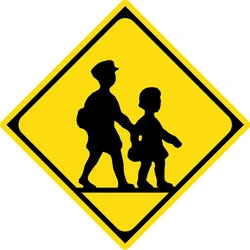
Warning for children.
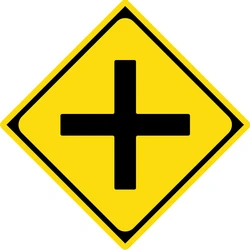
Warning for an uncontrolled crossroad.
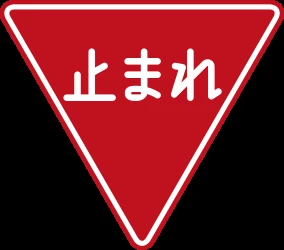
Give way to all drivers.

Warning for an uncontrolled crossroad with a road from the left.

Warning for a roundabout.
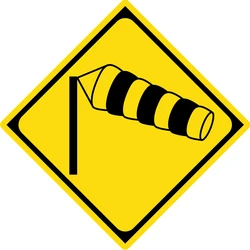
Warning for heavy crosswind.
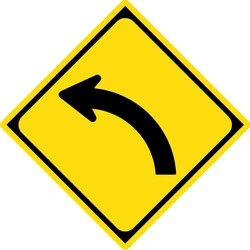
Warning for a curve to the left.
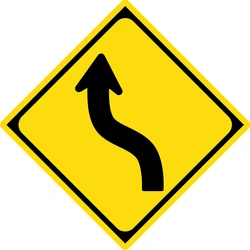
Warning for a double curve, first left then right.
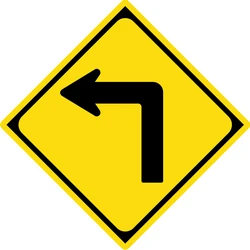
Warning for a sharp curve to the left.
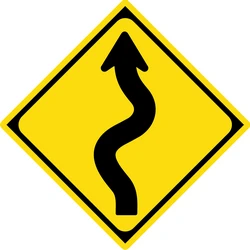
Warning for curves.
Driving Rules & Safety Guidelines for Learners in Japan
Clear road rules, traffic signs, and safety tips to help you prepare for the written test and drive safely.
Categories
How Driving Licences Work in Japan
Japan’s licensing system is managed locally through prefectural processes, and many learners prepare through structured study plus tests at a driver’s licence testing/issuing centre. In some cases, learners who complete a designated driving school course may only need to take specific tests at the centre, depending on their status and certificates.
Types of licences and common learner path
While licence categories vary (car, motorcycle, etc.), many first-time drivers follow a staged path that can include:
- Theory learning (rules, signs, safe driving decisions).
- Required tests handled through the local system (booking rules may apply).
- Practical training/testing depending on your route (driving school vs other paths).
Because steps vary by prefecture and applicant situation, use this page to learn and Practice, then confirm the official process where you apply.
Written test language options
In Japan, written test language availability depends on the testing authority. For example, the Tokyo Metropolitan Police Department publishes language options for written tests in Tokyo, and other prefectures publish their own lists. Always check your prefecture’s latest language availability before booking.
What the theory exam usually focuses on
Most theory preparation is built around:
- Traffic lights and signals (what each light allows and who may proceed)
- Road signs and markings (recognition + correct response)
- Safe driving decisions (right of way, speed choice, hazard awareness)
- Basic rules (stopping, parking restrictions, lane discipline)
For learner-friendly explanations of traffic rules and common sign examples, the Japan Automobile Federation provides practical guidance aimed at drivers.
How to study effectively
If you’re starting from scratch:
- Choose Your State & Read the Official Driver Handbook.
- Submit an Online Application for a Learner Permit (some states provide options for this).
- Pass a Vision Screen (check with each state for its own requirements).
- Take the knowledge test (written test).
- Practice driving under permit rules.
- Schedule a road test (skills test) if required for your licence type
Most States Will Base Questions for Knowledge Tests on the Official Handbook (i.e. Typically Comes from The Official Handbook). Samples Are Usually Provided by DMVs in Each State and on Their Websites.
Knowledge Test Format
Most state knowledge tests will include the following topics:
- Traffic signs and signals (recognition + meaning)
- Right of way and safe driving decisions
- Speed control, stopping distance, and lane rules
- Road markings and intersections
- Basic safety rules (seat belts, distraction, impaired driving)
The total number of questions, passing scores and time limits will vary by state, so practice with the appropriate state web page to prepare for your test.
How to Prepare Effectively (Simple Study Plan)
If you’re starting from scratch:
- Day 1–2: Learn traffic signs by type and practice recognising them quickly
- Day 3–4: Review key rules (intersections, right of way, markings, stopping rules)
- Day 5–7: Take practice tests daily, read explanations for every mistake, and repeat weak topics
Try not to memorise answer patterns. Focus on understanding the rule behind the correct option.
This website is not an official service. For official booking steps, required documents, fees, and the latest test rules, use your local driver’s licence centre/prefectural guidance and official notices published by the relevant authorities.
Frequently Asked Questions
Quick answers about theory test practice, traffic signs, and prefecture selection.
Answer: Choose the prefecture where you plan to apply and take your tests. Procedures and booking rules can vary by area, so prefecture-based practice helps you focus on the most relevant study path and local guidance.
Answer: No. This is an independent educational resource and not affiliated with any government or licensing authority. Use it to Practice and learn, then confirm official test rules, booking steps, and requirements with your local authority.
Answer: In some areas, yes, but language options depend on the prefecture and test type. For example, Tokyo publishes its written test language options, and other prefectures publish their own lists. Always check your local options before booking.
Answer: Yes. Signs and signals are central to theory learning. If you learn sign meanings first, practice questions become easier because you’re applying rules instead of guessing. Use the signs guide, then take sign-based quizzes.
Answer: Start with traffic lights, priority rules at intersections, and common road signs. Then move to road markings, stopping/parking rules, and safe driving decisions. After that, Practice questions daily and learn from explanations.
Answer: Check your prefecture’s driver’s licence information and notices, which often include booking instructions and test-related documents. Tokyo, for example, publishes online booking guidance and written test language details on its official pages.