
Australia Driving Licence Practice Tests, Traffic Signs
& Learner Licence Guidance

Practice learner-licence theory questions with clear explanations, learn Australian road signs, and review key road rules to prepare for your local knowledge test. This is an independent educational resource and is not affiliated with any government or licensing authority.

Select your state or territory to start practicing learner licence questions and local test topics (driver licensing is managed by state/territory authorities). 

Pick where you plan to apply or sit your learner test. You can switch anytime.
New South Wales
Victoria
Queensland

Australia Traffic Signs Guide

Before you attempt the practice learner licence tests you should be familiar with Australian road signs. For this, study Australian road signs by category. Like Warning signs, Regulatory signs, Guide/Information signs and Road markings, and practise doing sign-based questions to improve your speed of recognition, and reduce mistakes when using the signs during the tests.

Road Signs and Their Meanings
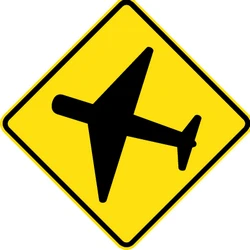
Warning for low-flying aircrafts.
Warning for low-flying aircrafts.

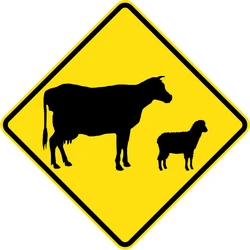
Warning for cattle on the road.
Warning for cattle on the road.

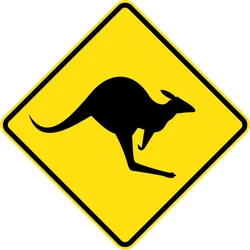
Warning for kangaroos on the road.
Warning for kangaroos on the road.

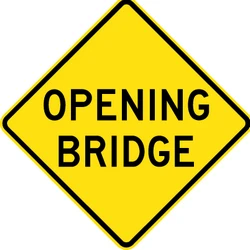
Warning for a movable bridge.

Warning for a movable bridge.

Warning for a speed bump.
Warning for a speed bump.

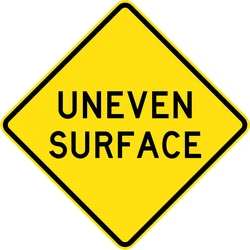
Warning for a bad road surface.
Warning for a bad road surface.

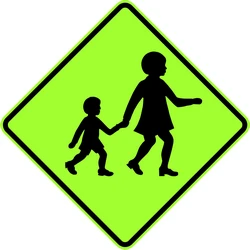
Warning for children.
Warning for children.

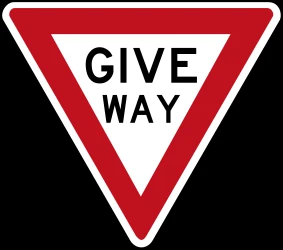
Give way to all drivers.
Give way to all drivers.

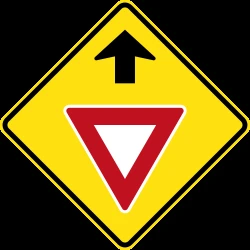
Give way ahead.
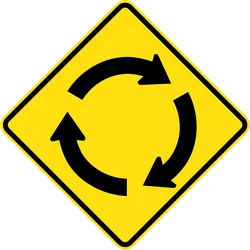
Give way ahead.

Warning for a roundabout.
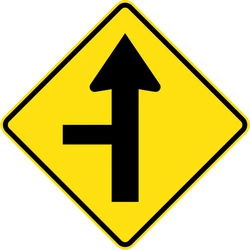
Warning for a roundabout.

Warning for a crossroad with a side road on the left.
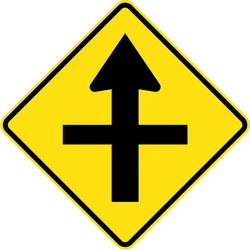
Warning for a crossroad with a side road on the left.

Warning for a crossroad side roads on the left and right.

Warning for a crossroad side roads on the left and right.

Driving Rules & Safety Guidelines for Learners in Australia

Practical road rules and safety tips for learner drivers, designed to support licence test prep and everyday driving.

Categories

About the model road rules
Background
Road rules in your state or territory
Personal mobility devices
Reviewing the Australian Roads Rules to align with best practice child restraint guidance
About the model road rules
The Australian Road Rules are model laws that form the basis of the road rules in each Australian state and territory. They are a framework for road safety and traffic regulations, not national laws that are in force across Australia. For the most part, each state and territory has copied the Rules into their own laws, however, not every provision of the Rules has been copied exactly in each state and territory. There are also a number of provisions in the Rules that specifically leave certain matters to state and territory governments to determine. It means each state and territory can add local rules that meet their own needs, like rules for hook turns in central Melbourne. Read the the Australian Road Rules (model law) on the Australian Parliamentary Counsel's Committee website The Australian Road Rules are model laws that form the basis of the road rules in each Australian state and territory. They are a framework for road safety and traffic regulations, not national laws that are in force across Australia. For the most part, each state and territory has copied the Rules into their own laws, however, not every provision of the Rules has been copied exactly in each state and territory. There are also a number of provisions in the Rules that specifically leave certain matters to state and territory governments to determine. It means each state and territory can add local rules that meet their own needs, like rules for hook turns in central Melbourne. Read the the Australian Road Rules (model law) on the Australian Parliamentary Counsel's Committee website The Australian Road Rules are model laws that form the basis of the road rules in each Australian state and territory. They are a framework for road safety and traffic regulations, not national laws that are in force across Australia. For the most part, each state and territory has copied the Rules into their own laws, however, not every provision of the Rules has been copied exactly in each state and territory. There are also a number of provisions in the Rules that specifically leave certain matters to state and territory governments to determine. It means each state and territory can add local rules that meet their own needs, like rules for hook turns in central Melbourne. Read the the Australian Road Rules (model law) on the Australian Parliamentary Counsel's Committee website Read the the Australian Road Rules (model law) on the Australian Parliamentary Counsel's Committee website The Australian Road Rules are model laws that form the basis of the road rules in each Australian state and territory. They are a framework for road safety and traffic regulations, not national laws that are in force across Australia. For the most part, each state and territory has copied the Rules into their own laws, however, not every provision of the Rules has been copied exactly in each state and territory. There are also a number of provisions in the Rules that specifically leave certain matters to state and territory governments to determine. It means each state and territory can add local rules that meet their own needs, like rules for hook turns in central Melbourne. Read the the Australian Road Rules (model law) on the Australian Parliamentary Counsel's Committee website The Australian Road Rules are model laws that form the basis of the road rules in each Australian state and territory. They are a framework for road safety and traffic regulations, not national laws that are in force across Australia. For the most part, each state and territory has copied the Rules into their own laws, however, not every provision of the Rules has been copied exactly in each state and territory. There are also a number of provisions in the Rules that specifically leave certain matters to state and territory governments to determine. It means each state and territory can add local rules that meet their own needs, like rules for hook turns in central Melbourne. Read the the Australian Road Rules (model law) on the Australian Parliamentary Counsel's Committee website Read the the Australian Road Rules (model law) on the Australian Parliamentary Counsel's Committee website
Background
Before the introduction of the model Australian Road Rules in 1999, each state and territory had different rules. It meant every time you crossed a state border, a whole set of new road rules applied making it harder to know some basic rules like whether to give way to right turning traffic or left turning traffic. Before the introduction of the model Australian Road Rules in 1999, each state and territory had different rules. It meant every time you crossed a state border, a whole set of new road rules applied making it harder to know some basic rules like whether to give way to right turning traffic or left turning traffic. Before the introduction of the model Australian Road Rules in 1999, each state and territory had different rules. It meant every time you crossed a state border, a whole set of new road rules applied making it harder to know some basic rules like whether to give way to right turning traffic or left turning traffic. Before the introduction of the model Australian Road Rules in 1999, each state and territory had different rules. It meant every time you crossed a state border, a whole set of new road rules applied making it harder to know some basic rules like whether to give way to right turning traffic or left turning traffic. Before the introduction of the model Australian Road Rules in 1999, each state and territory had different rules. It meant every time you crossed a state border, a whole set of new road rules applied making it harder to know some basic rules like whether to give way to right turning traffic or left turning traffic.
Road rules in your state or territory
To find out what rules apply in your territory or to obtain a copy, visit the ACT Government website. To find out what rules apply in your territory or to obtain a copy, visit the ACT Government website. To find out what rules apply in your territory or to obtain a copy, visit the ACT Government website. To find out what rules apply in your territory or to obtain a copy, visit the ACT Government website. To find out what rules apply in your territory or to obtain a copy, visit the ACT Government website. To find out what rules apply in your territory or to obtain a copy, visit the ACT Government website. ACT Government website
Personal mobility devices
The use of personal mobility devices continues to grow as e-bikes and e-scooters become increasingly popular. We made changes to the model Rules in 2021 to allow for the safe use of personal mobility devices (PMDs) or innovative vehicles, and motorised mobility devices (MMDs) on our roads recognising that MMDs and PMDs and their users are inherently different. Australia’s transport ministers have now asked for a review of the Rules in response to growing use of personal mobility devices. The use of personal mobility devices continues to grow as e-bikes and e-scooters become increasingly popular. We made changes to the model Rules in 2021 to allow for the safe use of personal mobility devices (PMDs) or innovative vehicles, and motorised mobility devices (MMDs) on our roads recognising that MMDs and PMDs and their users are inherently different. Australia’s transport ministers have now asked for a review of the Rules in response to growing use of personal mobility devices. The use of personal mobility devices continues to grow as e-bikes and e-scooters become increasingly popular. We made changes to the model Rules in 2021 to allow for the safe use of personal mobility devices (PMDs) or innovative vehicles, and motorised mobility devices (MMDs) on our roads recognising that MMDs and PMDs and their users are inherently different. We made changes to the model Rules in 2021 Australia’s transport ministers have now asked for a review of the Rules in response to growing use of personal mobility devices. The use of personal mobility devices continues to grow as e-bikes and e-scooters become increasingly popular. We made changes to the model Rules in 2021 to allow for the safe use of personal mobility devices (PMDs) or innovative vehicles, and motorised mobility devices (MMDs) on our roads recognising that MMDs and PMDs and their users are inherently different. Australia’s transport ministers have now asked for a review of the Rules in response to growing use of personal mobility devices. The use of personal mobility devices continues to grow as e-bikes and e-scooters become increasingly popular. We made changes to the model Rules in 2021 to allow for the safe use of personal mobility devices (PMDs) or innovative vehicles, and motorised mobility devices (MMDs) on our roads recognising that MMDs and PMDs and their users are inherently different. We made changes to the model Rules in 2021 Australia’s transport ministers have now asked for a review of the Rules in response to growing use of personal mobility devices.
Reviewing the Australian Roads Rules to align with best practice child restraint guidance
Ministers have asked us to review the Australian Road Rules (ARRs) relating to child restraints for passengers under 16 years old. This includes children with medical conditions and disabilities to ensure they are inclusive and up to date with the latest safety research and best practice guidelines. NTC will work with state and territory jurisdictions, as well as relevant stakeholders to review the current ARRs relating to child restraints. There will be a specific focus on the following areas: Appropriate use of child restraints Children using adult seatbelts Children travelling in the front seat Improving the level of protection for children with medical conditions and disabilities Ministers have asked us to review the Australian Road Rules (ARRs) relating to child restraints for passengers under 16 years old. This includes children with medical conditions and disabilities to ensure they are inclusive and up to date with the latest safety research and best practice guidelines. NTC will work with state and territory jurisdictions, as well as relevant stakeholders to review the current ARRs relating to child restraints. There will be a specific focus on the following areas: Appropriate use of child restraints Children using adult seatbelts Children travelling in the front seat Improving the level of protection for children with medical conditions and disabilities Ministers have asked us to review the Australian Road Rules (ARRs) relating to child restraints for passengers under 16 years old. This includes children with medical conditions and disabilities to ensure they are inclusive and up to date with the latest safety research and best practice guidelines. NTC will work with state and territory jurisdictions, as well as relevant stakeholders to review the current ARRs relating to child restraints. There will be a specific focus on the following areas: child restraints Appropriate use of child restraints Children using adult seatbelts Children travelling in the front seat Improving the level of protection for children with medical conditions and disabilities Appropriate use of child restraints Children using adult seatbelts Children travelling in the front seat Improving the level of protection for children with medical conditions and disabilities Ministers have asked us to review the Australian Road Rules (ARRs) relating to child restraints for passengers under 16 years old. This includes children with medical conditions and disabilities to ensure they are inclusive and up to date with the latest safety research and best practice guidelines. NTC will work with state and territory jurisdictions, as well as relevant stakeholders to review the current ARRs relating to child restraints. There will be a specific focus on the following areas: Appropriate use of child restraints Children using adult seatbelts Children travelling in the front seat Improving the level of protection for children with medical conditions and disabilities Ministers have asked us to review the Australian Road Rules (ARRs) relating to child restraints for passengers under 16 years old. This includes children with medical conditions and disabilities to ensure they are inclusive and up to date with the latest safety research and best practice guidelines. NTC will work with state and territory jurisdictions, as well as relevant stakeholders to review the current ARRs relating to child restraints. There will be a specific focus on the following areas: child restraints Appropriate use of child restraints Children using adult seatbelts Children travelling in the front seat Improving the level of protection for children with medical conditions and disabilities Appropriate use of child restraints Children using adult seatbelts Children travelling in the front seat Improving the level of protection for children with medical conditions and disabilities

How Driving Licences Work in Australia
(Learner Licence, P Plates, Full Licence)

Learning driving theory is easier when you understand the typical licence path. In Australia, there is a pattern of learner → Provisional (P plates) → Full licence, but steps can vary by state.

This page helps you prepare in a practical way: choose your state/territory, Practice exam-style questions, study road signs, and review common rules that appear in learner knowledge tests. Because requirements vary, you should also check the latest official instructions for your location.

Types of Driving Licence Stages in Australia

In most places, you’ll see:

  • Learner licence/permit: where you learn road rules and drive under supervision.
  • Provisional (P plates): an intermediate stage with specific rules (varies by state).
  • Full licence: after completing the required time, experience, and tests.

Commercial driver’s licenses (CDLs) and motorcycle licenses are separate from the three stages of licenses listed above and have their own rules and tests.

Minimum Age and Eligibility

Minimum age and eligibility rules are set by each state/territory. For example:

  • NSW explains the Driver Knowledge Test (DKT), that is required for a car learner licence.
  • Queensland explains you start by completing PrepL or a written road rules test to apply for a learner licence.

Always confirm age rules, identity requirements, and booking steps on your official state/territory licensing pages.

Documents Commonly Required for a Learner Licence

Exact document lists vary, but identity checks are a standard part of applying. For example, WA notes you must visit a service location and provide proof of identity documents when applying for a learner’s permit.

Typical Application Steps

A common learner journey looks like this:

  1. Choose your state/territory and read the official learner requirements
  2. Prepare identity documents and any required forms
  3. Study road rules + road signs
  4. Complete the learner knowledge step (test/course, depending on your state)
  5. Apply for your learner licence/permit and begin supervised driving (where required)

Most States Will Base Questions for Knowledge Tests on the Official Handbook (i.e. Typically Comes from The Official Handbook). Samples Are Usually Provided by DMVs in Each State and on Their Websites.

Learner Knowledge Test

The learner theory step depends on your state/territory:

  • NSW: DKT is about road rules and safe driving behaviour (can be online or in person).
  • Queensland: PrepL / written road rules test has 30 multiple choice questions; official guidance also lists pass requirements.
  • Victoria: VicRoads describes the learner permit knowledge test and its practice test structure.

Best approach: Practice regularly, and read explanations for every incorrect answer so you learn the rule behind the option.

How to Prepare Effectively

If you’re starting from scratch:

  • Day 1–2: Learn road signs by category
  • Day 3–4: Review key rules (right of way, speed behaviour, road markings, safe distance)
  • Day 5–7: Take learner practice tests daily and review explanations for mistakes

Avoid memorising answers. Focus on understanding the rule so you can handle different question wording.

This site is not an official government website. For official forms, fees, eligibility rules, and the latest updates, refer to your state/territory licensing authority (for example NSW, QLD, VIC, WA). 

Frequently Asked Questions

Quick answers about learner licence practice tests, road signs, and state selection.

 Answer: Select the state or territory where you plan to apply and sit your learner knowledge test. Licensing is run by state/territory authorities, so the process and test format can vary.

 Answer: No. This website is an independent educational resource and is not affiliated with any government or licensing authority. Use it to learn and Practice, and confirm official rules with your local authority.

 Answer: Yes. Road signs and markings are a key part of learner theory. Study signs by category first, then use sign-based questions to build recognition and reduce mistakes.

 Answer: Most learner tests focus on road rules, safe driving decisions, and road sign meaning. NSW describes its learner knowledge test as covering road rules and safe driving behaviour.

 Answer: It depends on your state/territory. For example, Queensland’s PrepL / written road rules test uses 30 questions, while Victoria’s learner permit test practice resource references 32 questions. Always confirm your local format.

 Answer: Retake rules and fees vary by state. If you don’t pass, focus on your weak topics, study signs again, and Practice more questions with explanations before booking your next attempt.

Scroll to Top