
Canada Driving Licence Practice Tests, Traffic Signs
Provincial Licensing Guidance
You can practice Canadian driving theory test questions, learn about Canadian road signs and review general driving rules for preparing for the knowledge test. This is an independent educational resource and is not endorsed or affiliated with any licensing authority or government agency.
Canada Traffic Signs Guide
Before you take Canada driving licence practice tests, make sure you understand Canadian road signs. Study by category and learn what each sign means in real driving situations, including regulatory signs, warning signs, and road markings.
Road Signs and Their Meanings
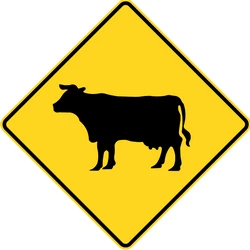
Warning for cattle on the road.
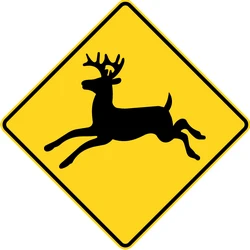
Warning for crossing deer.
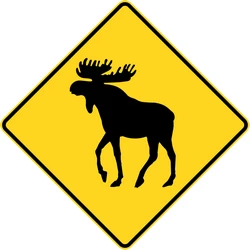
Warning for moose on the road.
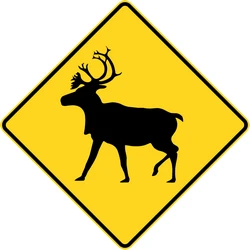
Warning for reindeer on the road.
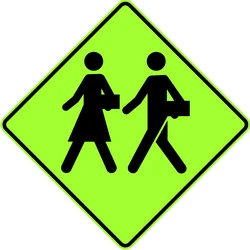
Warning for children.
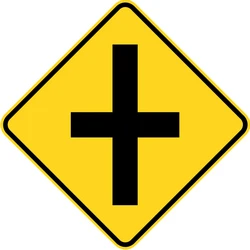
Warning for an uncontrolled crossroad.
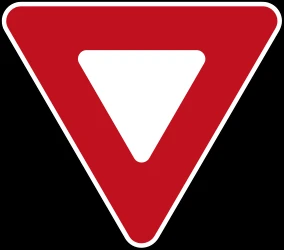
Give way to all drivers.
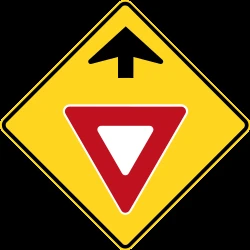
Give way ahead.
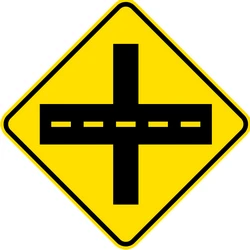
Warning for a crossroad, give way to all drivers.
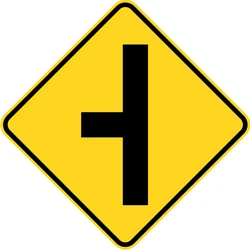
Warning for an uncontrolled crossroad with a road from the left.
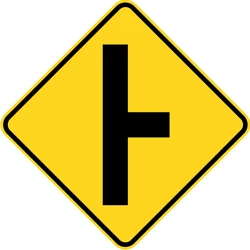
Warning for an uncontrolled crossroad with a road from the right.
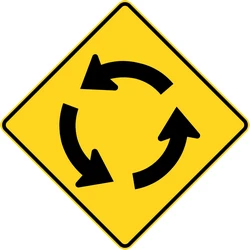
Warning for a roundabout.
Driving Rules & Safety Guidelines for Learners in Canada
Practical road rules, sign basics, and safety tips to help you prepare for knowledge tests and drive responsibly.
Categories
How Driving Licences Work in Canada
(Graduated Licensing and Road Tests)
Learning driving theory is easier when you understand the licence process. Driver licensing in Canada will be done in each province and territory, which means the exact process and names will be different but typically follow a similar progression of licensed drivers like: learner, novice/intermediate (or G1/G2 in Ontario), and then finally receiving your full license once you have passed all required tests and met required safety requirements to become a fully licensed driver.
This website allows you to prepare for the theory exam by selecting your province/territory and practicing your knowledge test through the following four sections: Knowledge Test practice with explanations and all the core rules of driving that may appear in a theory-based knowledge exam, will also include study of all Canadian road signs.
Types of Driving Licence in Canada
Licence names vary by province, but common passenger-vehicle paths include:
- Ontario: G1 → G2 → Full G
- British Columbia: Graduated Licensing Program (Learner and Novice stages leading to Class 5)
- Québec: Passenger vehicle Class 5 (with a learner stage, knowledge test, course requirements, and road test)
Other provinces have similar “Class 5” style systems (often with learner and intermediate stages), even if the labels differ.
Minimum Age and Eligibility
Eligibility depends on your province/territory and licence class. In general, you should expect:
- A minimum age requirement for a learner licence
- Identity and residency documentation
- A vision screening (common)
- Knowledge test(s) before you can drive on your own
Because requirements vary, treat this as general guidance and verify your province/territory’s current rules before you apply.
Documents Commonly Required for a Learner Licence
Exact lists vary, but applicants commonly prepare:
- Proof of identity (and legal status, if applicable)
- Proof of address/residency in the province/territory
- Supporting documents required by the local licensing office
- Any forms/fees required at the time of application
If you’re a new resident with an out-of-country licence, some provinces may require you to apply within a specific timeframe after becoming a resident and may have exchange rules depending on where your licence is from.
Documents Commonly Required for a Learner Licence
Exact lists vary, but applicants commonly prepare:
- Proof of identity (and legal status, if applicable)
- Proof of address/residency in the province/territory
- Supporting documents required by the local licensing office
- Any forms/fees required at the time of application
If you’re a new resident with an out-of-country licence, some provinces may require you to apply within a specific timeframe after becoming a resident and may have exchange rules depending on where your licence is from.
Typical Application Steps
A typical Canadian path for a first-time car driver looks like this:
- Study the driver’s handbook
- Take a knowledge test to enter the learner stage
- Practice driving under learner restrictions
- Take a first road test to move to an intermediate stage
- Complete the required waiting period / safe-driving time
- Take the final road test to earn a full licence
Ontario’s “two learning levels + two road tests” is a clear example of this model.
British Columbia also uses a graduated program approach.
Canada Knowledge Test Format
Most knowledge tests focus on:
- Road signs and road markings
- Right-of-way and intersection rules
- Speed limits and safe speed choices
- School zones and pedestrian safety
- Rules around passing, lane changes, and signalling
- Impaired driving rules and safety basics
Some licensing agencies publish practice knowledge tests to help you prepare.
Key Driving Rules to Study
If you want to cover what tends to show up most often across provinces, prioritise:
- Right-of-way logic (uncontrolled intersections, yield vs stop, turning rules)
- Speed-limit basics (and when posted signs override “default” limits)
- School zones and community safety areas
- Passing rules (especially around solid lines, intersections, and crosswalks)
- Distracted driving and seat belt safety
- Winter-driving awareness (following distance, traction, visibility)
Speed limits vary by province/territory and road type, but a common pattern is 50 km/h in many urban areas, with higher limits on rural roads and highways.
How to Prepare Effectively
If you are starting from scratch, a simple plan works well:
- Day 1–2: Learn road signs by category
- Day 3–4: Review core rules (right of way, speed, markings, safe passing)
- Day 5–7: Practice province-based knowledge-test questions and review explanations
Avoid memorising answers. Focus on understanding why an option is correct so you can handle reworded questions and real driving situations.
This site is not an official government website. For official forms, fees, eligibility rules, waiting periods, and the latest updates, refer to your province or territory’s official licensing authority (for example: Ontario, ICBC in B.C., or SAAQ in Québec).
Frequently Asked Questions
Quick answers about Canada driving licence practice tests, road signs, and province selection.
Answer: Select the province or territory where you plan to apply for your licence. Canada’s licensing rules are provincial/territorial, so test topics and rules can differ slightly, and practicing province-based questions helps you study the most relevant material.
Answer: No. This website is an independent educational resource and is not affiliated with any government or licensing authority. The questions are for learning and Practice. Always confirm official exam rules through your provincial/territorial licensing authority.
Answer: Graduated licensing is a step-by-step system that starts with a learner stage (supervised driving), then an intermediate stage with fewer restrictions, and finally a full licence after you meet the requirements and pass the needed road test(s).
Answer: Speed limits vary by province/territory and road type. A common baseline is around 50 km/h in many urban areas, with higher posted limits on rural roads and highways. For both the exam and real driving, the posted sign and local rules are what matter most.
Answer: Learn signs first, then focus on right-of-way rules and speed-limit logic, then Practice multiple-choice questions and read every explanation (especially for mistakes). If your licensing authority offers practice tests, use them to get comfortable with the format.