
Colombia Driving Licence Practice Tests, Traffic Signs
& MinTransporte Guidance
Practice Colombia driving licence theory test questions, learn Colombian road signs, and review key driving rules for theory preparation. This is an independent educational resource and is not affiliated with any government or licensing authority.
Colombia Traffic Signs Guide
Before you take Colombia driving licence practice tests, make sure you understand Colombian road signs. Study by category and learn what each sign means in real driving situations.
Road Signs and Their Meanings
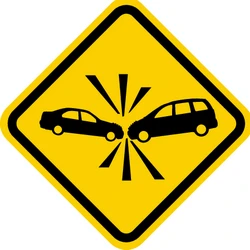
Warning for accidents.
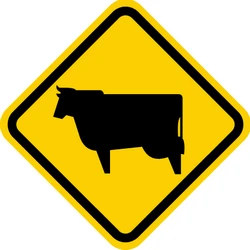
Warning for cattle on the road.
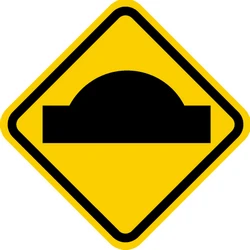
Warning for a speed bump.

Warning for a bad road surface.
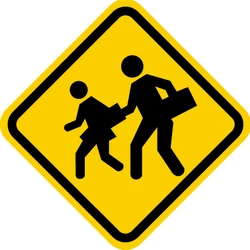
Warning for children.
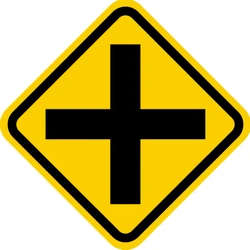
Warning for an uncontrolled crossroad.
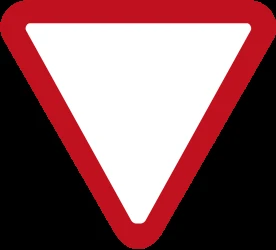
Give way to all drivers.
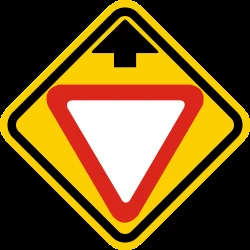
Give way ahead.
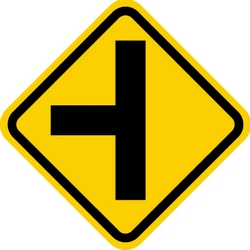
Warning for an uncontrolled crossroad with a road from the left.
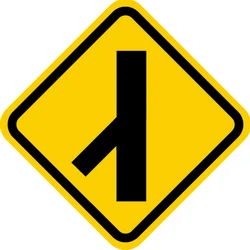
Warning for an uncontrolled crossroad with a sharp road from the left.
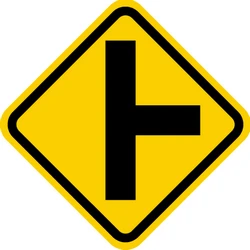
Warning for an uncontrolled crossroad with a road from the right.
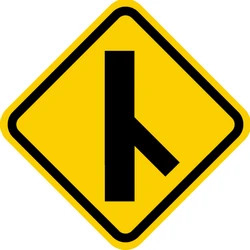
Warning for an uncontrolled crossroad with a sharp road from the right.
Driving Rules & Safety Guidelines for Learners in Colombia
Core traffic rules, road signs, and safety guidance to improve theory exam readiness and real-world driving skills.
Categories
How Driving Licences Work in Colombia
(RUNT, Medical Exam, Driving School and Tests)
Learning driving theory is easier when you understand the licence process. In Colombia, getting a driving licence for the first time typically involves registration and validations in RUNT (Registro Único Nacional de Tránsito), completing a medical/aptitude exam at an authorized CRC (Centro de Reconocimiento de Conductores), completing training with a certified CEA (Centro de Enseñanza Automovilística), and passing required theoretical and practical evaluations.
This page helps you prepare in a practical way: Practice theory-style questions with explanations, study Colombian traffic signs, and review common rules that appear in licence exams
Types of Driving Licence in Colombia
Colombia commonly separates licences by:
- Motorcycle categories (often referenced as A1/A2 in everyday guidance)
- Car (private) categories (often referenced as B1 in everyday guidance)
- Public / professional categories (often referenced as C1/C2/C3 for public-service vehicles in common guidance)
The exact category you need depends on the vehicle type and whether the vehicle is private or public service, so it’s important to choose the category that matches what you will drive.
Minimum Age and Eligibility
Eligibility depends on the licence category, but in general you should expect:
- Minimum age requirements based on the category
- Being “paz y salvo” (no outstanding traffic fines/sanctions that block the process)
- Completing the required aptitude/medical exam through an authorized CRC and having it validated in RUNT
Because requirements can change and can vary by situation, treat this section as general guidance and verify the latest official rules before you apply.
Documents Commonly Required for a First-Time Licence
Exact document lists can vary by city and category, but first-time applicants commonly prepare:
- Valid identity document
- Supporting personal information needed for RUNT registration
- Required certificates generated by the process (CRC medical aptitude certificate, CEA driving training/aptitude certificate, and exam validations), which the transit authority verifies through RUNT
Tip: Keep digital copies ready and confirm your local transit office requirements before your appointment.
Typical Application Steps
A typical first-time flow often looks like this:
- Ensure your data is registered/updated in RUNT
- Complete the aptitude exam (physical, mental, and motor coordination) at an authorized CRC (validated through RUNT)
- Complete training with an authorized CEA and obtain the required driving aptitude/training certificate
- Pass the required theoretical and practical evaluations (as applicable for your category)
- Finalize issuance with the transit authority / service window in your city (for example, local “ventanilla” services where available)
This website supports the study part by helping you Practice questions and learn signs before the tests.
Colombia Theory Test Format
The theory portion is designed to check whether you understand:
- Road sign recognition and road markings
- Right-of-way rules and intersection behavior
- Speed management and hazard awareness
- Safe-driving rules (seat belts/helmets, distraction, safe distance)
- Basic legal responsibilities and sanctions
Colombia has updated/modernized aspects of how theoretical/practical exams are defined for first-time issuance and recategorization via Ministry of Transport regulations, so always confirm your current exam requirements for your category and city.
Key Driving Rules to Study
If you want to focus on the topics that most often matter for Colombia driving theory prep, prioritise:
- Urban speed safety rules and reduced-speed areas (especially near schools/residential areas)
- Right of way at intersections and priority signs
- Overtaking rules and safe passing distances
- Motorcycle safety (helmet use and visibility) if applying for moto categories
- Drink-driving limits (Colombia has very strict BAC limits in road safety reporting)
For speed-limit study, a practical reference is:
- 50 km/h maximum in urban areas, and 30 km/h in school/residential safety areas (road safety policy messaging)
- Road safety reporting also commonly lists 90 km/h rural and 120 km/h motorway maximums (where applicable), with local authorities able to modify limits.
Always follow posted signs first, because they override general limits.
How to Prepare Effectively
If you are starting from scratch, a simple plan works well:
- Day 1–2: Learn Colombian traffic signs by category
- Day 3–4: Review key rules (priority, speed behavior, markings, safe overtaking)
- Day 5–7: Practice exam-style questions daily and review explanations for every mistake
Always follow posted signs first, because they override general limits.
Important Note on Official Sources
This site is not an official government website. For official forms, fees, eligibility rules, and the latest updates, refer to official guidance and your local transit authority. Official sources commonly reference requirements like being “paz y salvo” on fines and completing the authorized CRC aptitude exam validated through RUNT.
Frequently Asked Questions
Quick answers about Colombia driving licence practice tests, traffic signs, and first-time application steps.
Answer: RUNT is Colombia’s national traffic registry system used to validate key steps and certificates in the licensing process. Transit authorities commonly verify your CRC aptitude exam and other requirements through RUNT as part of issuing a licence.
Answer: No. This website is an independent educational resource and is not affiliated with any government or licensing authority. The questions are for learning and Practice. Always confirm official exam rules through your local transit authority and official guidance.
Answer: In general, yes. Official guidance describes an aptitude exam (physical, mental, and motor coordination) issued by an authorized CRC and validated through RUNT as part of the process.
Answer: A key rule widely emphasized is 50 km/h maximum in urban areas, with 30 km/h in school/residential safety zones, and road safety reporting commonly references up to 90 km/h rural and 120 km/h motorway where applicable. Always follow posted signs and local rules first.
Answer: Learn signs first, then focus on priority rules and speed-limit logic, then Practice MCQs daily and read every explanation, especially on mistakes. Also confirm any current updates to exam rules for your licence category and city before test day.