
Hungary Driving Licence Practice Tests, Traffic Signs
& Transport Authority Guidance
You need to practice the Hungary driving theory tests with sample questions, learn about Hungary’s road signs and driving rules in advance of taking your driving theory test. This is an independent educational resource, and is not affiliated with any other governmental body or licensing agency.
Hungary Traffic Signs Guide
Before taking Hungary driving licence practice tests, make sure you understand Hungarian road signs. Study signs by category and learn what each sign means in real traffic situations.
Road Signs and Their Meanings

Warning for a danger with no specific traffic sign.
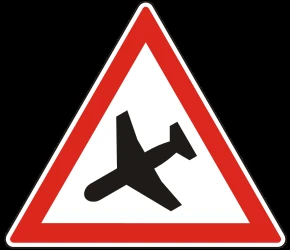
Warning for low-flying aircrafts.
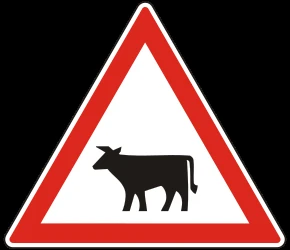
Warning for cattle on the road.
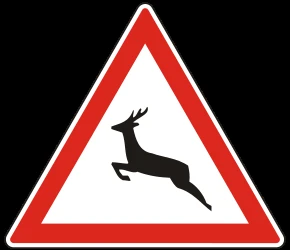
Warning for crossing deer.
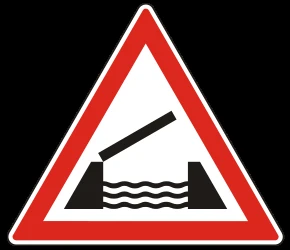
Warning for a movable bridge.
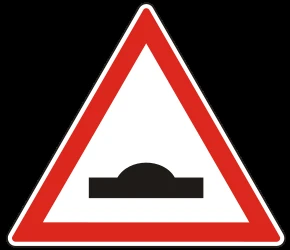
Warning for a speed bump.
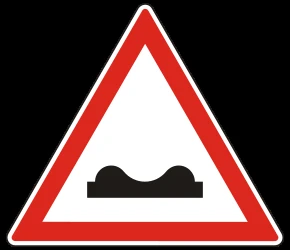
Warning for a bad road surface.
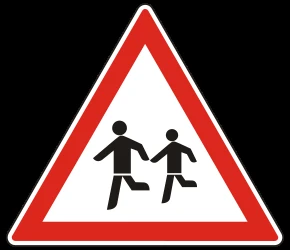
Warning for children.
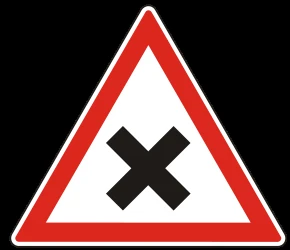
Warning for an uncontrolled crossroad.
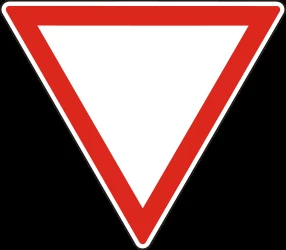
Give way to all drivers.
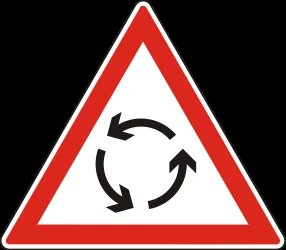
Warning for a roundabout.
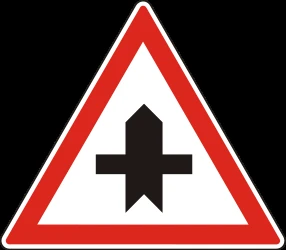
Warning for a crossroad side roads on the left and right.
Driving Rules & Safety Guidelines for Learners in Hungary
Practical driving rules, sign basics, and safety guidance to help you prepare for the theory test and drive responsibly.
Categories
How Driving Licences Work in Hungary
(Theory Test and Practical Exam)
Learning about the procedure for obtaining a Hungarian driving license makes it easier to prepare for your Theory test. Like all Europe, in Hungary the procedures for new drivers is :- Full training at an authorised driving school, passing the theory exam and successfully completing your practical exam.
The licensing procedures are all established at the national level, with the processing of applications taking place through government-approved methods, and you should therefore always check with the most recent official resources prior to submitting an application to ensure that there have been no changes to procedures or requirements.
This page helps you prepare for the study portion of the process: Practice exam-style questions, learn traffic signs, and review key rules that appear in the Hungary driving theory test.
Types of Driving Licence in Hungary
Hungary follows EU-standard driving licence categories. Common examples include:
- AM – Mopeds and light vehicles
- A1 / A2 / A – Motorcycles (based on engine size and power)
- B – Passenger cars (most common first licence)
- C / D – Trucks and buses (additional requirements apply)
B(car licence) is a starting point for most learners. Ensure that your study material matches the category you want to apply for.
Minimum Age and Eligibility
Minimum age depends on the licence category. For example:
- Category B (car): usually 17 years to begin training, 18 to obtain a full licence.
- Motorcycle categories may vary by engine class.
Applicants typically must:
- Meet the minimum requirement.
- Complete the minimum number of hours of theory required by law.
- Pass the medical fitness exam.
- Complete the minimum training required for first aid
- Provide identity documentation
Because regulations can be updated, always verify current eligibility through official Hungarian government sources before submitting your application.
Documents Commonly Required
Document requirements differ by state, but commonly include:
- Proof of Identity (and proof of lawful presence if applicable)
- Proof of residency/address
- Social Security Number or acceptable alternative (state-specific)
- Any required parent/guardian consent for minors (state-specific)
Keep digital copies ready and check your state’s official checklist before applying.
Documents Commonly Required for a First-Time Licence
While exact requirements may vary, applicants commonly prepare:
- Valid ID card or passport
- Address details
- Medical fitness certificate
- First-aid course certificate (where required)
- Driving school registration documents
- Application forms required by the transport authority
It’s advisable to confirm the latest document list with your driving school or the official government portal before proceeding.
Typical Application Steps in Hungary
A typical first-time driver process in Hungary may include:
- Register with an approved driving school.
- Completing the required theory (i.e., classroom or online)
- Taking and passing the required theory test (i.e., KRESZ)
- Begin practical driving lessons
- Receive your official driving licence
The site helps prepare you for your theory exam by allowing you to practice and review questions about the Hungarian driving licence and more by reviewing the rules of the road before the knowledge test.
Hungary Theory Test Format
The KRESZ exam commonly known as a Hungarian theory exam, will generally test these areas:
- Road sign identification
- Traffic rules and laws based on priority.
- Safe driving habits.
- Speed limits and danger awareness.
- How to handle vehicle and safety rules.
The KRESZ exam format consists of either multiple-choice or computer-based testing. Each section has its own passing grade and the number of questions per section can vary from exam to exam based on changes, therefore, it is always advisable to view the current format of the KRESZ exam before you take your test.
The best way to prepare for the KRESZ exam is through consistent practice(that complements studying each question’s information).
Key Driving Rules to Study for Hungary Theory Test
If you’re preparing for the Hungary driving theory test, focus on:
- Speed limits:
- 50 km/h in built-up areas
- 90 km/h outside built-up areas
- 110 km/h on expressways
- 130 km/h on motorways (unless otherwise posted)
- Right-of-way at intersections
- Roundabout rules
- Overtaking regulations
- Seat belt and child restraint laws
- Alcohol limits (Hungary has strict zero-tolerance for drink driving)
- Priority signs and road markings
Always remember: posted traffic signs override general speed limits.
How to Prepare Effectively
A practical study approach:
- Day 1–2: Learn Hungarian traffic signs by category
- Day 3–4: Study priority rules, speed regulations, and key traffic laws
- Day 5–7: Practice Hungary driving theory test questions and review explanations
Avoid memorising answers without understanding the reasoning. The real test may rephrase questions, so conceptual understanding is critical.
Important Note on Official Sources
This website is not an official government platform. For official forms, fees, eligibility requirements, and the latest updates regarding Hungary driving licences, refer to official Hungarian government portals or your registered driving school.
Frequently Asked Questions
Quick answers about Hungary driving licence practice tests, traffic signs, and KRESZ theory preparation.
Answer: The KRESZ exam is the Hungarian driving theory test that evaluates knowledge of traffic rules, road signs, and safe driving practices. Passing it is required before taking the practical driving test.
Answer: No. This website is an independent educational resource and is not affiliated with any government or licensing authority. The practice questions are designed to help you study. Always confirm official exam rules with Hungarian authorities or your driving school.
Answer: For category B (car), training can usually begin at 17, and the full licence is issued at 18 after passing required exams. Always verify current rules before applying.
Answer: General limits include 50 km/h in towns, 90 km/h outside towns, 110 km/h on expressways, and 130 km/h on motorways unless traffic signs indicate otherwise.
Answer: Study road signs carefully, understand right-of-way rules, Practice exam-style multiple-choice questions regularly, and review explanations for incorrect answers. Avoid last-minute memorisation and focus on understanding traffic situations.