
India Driving Licence Practice Tests,
Traffic Signs & RTO Guidance
Prepare for your theory exam using your local learner’s permit practice test. Study any Indian road signs and review the most important rules of the road for theory exam preparation purposes. The creators of this resource are providing you with an independent educational resource; they are not connected in any way to any governmental or licensing agencies.
Driving Rules & Safety Guidelines for Learners in India
Key road rules, traffic signs, and everyday safety tips to support learner licence theory preparation.
Road Signs and Their Meanings
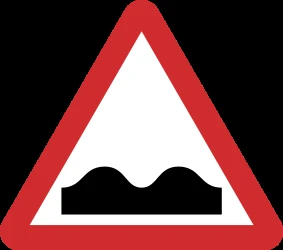
Warning for a bad road surface.
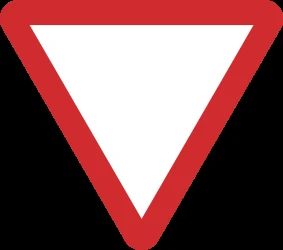
Give way to all drivers.
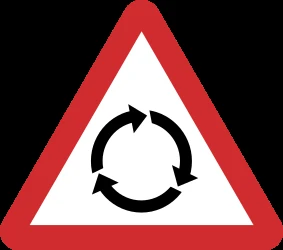
Warning for a roundabout.

Stop and give way to all drivers.
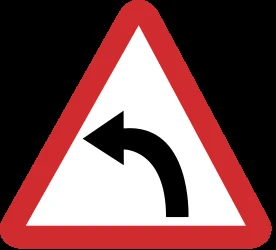
Warning for a curve to the left.
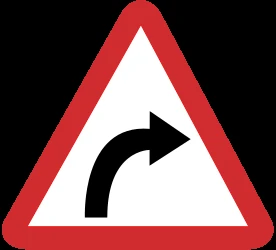
Warning for a curve to the right.
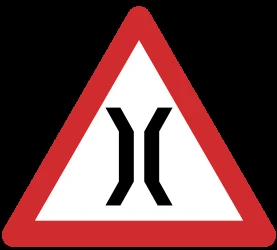
Warning for a narrowing.
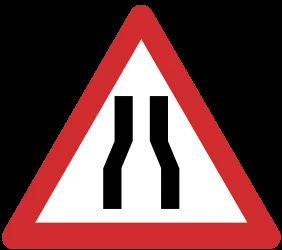
Warning for a road narrowing.
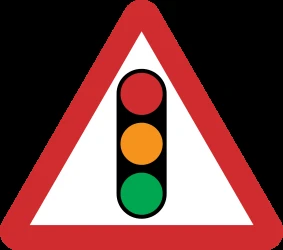
Warning for a traffic light.
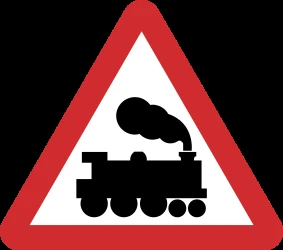
Warning for a railroad crossing without barriers.
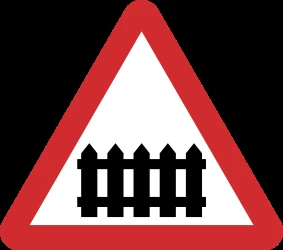
Warning for a railroad crossing with barriers.

Warning for a railroad crossing with 1 railway.
Road Safety Guidelines
Learn essential road signs for your driving licence test. Understanding these signs is
crucial for safe driving and passing your Driving exam.
Categories
How Driving Licences Work in India
(Learner Licence and Driving Licence)
Learning driving theory is easier when you understand the licence process. In India, The majority of new drivers will begin by receiving a Learner License (LL), then later apply for a Driving 1License (DL). The learner stage allows you to demonstrate you are knowledgeable about road markings/signs, have a basic understanding of driving rules/standards, and safe road behaviour before you drive independently.
This page helps you prepare in a practical way: choose your state, Practice exam-style questions, study Indian traffic signs, and review common rules that appear in learner licence tests. Because licence requirements can be different as per state, we should also be aware and check recent updates & latest official instructions for location.
Types of Driving Licence in India
In most cases, you will see two main stages:
- Learner Licence (LL): A provisional licence that permits you to gain practical experience with your vehicle within the restrictions established by the state where you live, such as supervised driving. The test for obtaining this type of licence is primarily about knowledge of traffic signage and drive operation laws.
- Driving Licence (DL): Your permanent driver’s licence, received after completing the comprehensive validation process required by your state, and being qualified.
Some licence categories differ by vehicle type (two-wheeler, four-wheeler, commercial). If you are unsure which category applies, check your state’s official guidance.
Documents Commonly Required for a Learner Licence
Different states may have different types of identification, but often they require at least the following to obtain an ID:
- Proof of identity
- Proof of your residence
- Proof of age.
- Passport-style photo (or a digital photo captured during the process)
- Any state-required forms (where applicable)
If you’re preparing to apply, it’s a good idea to keep scanned copies ready and confirm the current list through the official portal for your state.
How to Apply for a Learner Licence in India
Many applicants use an online portal to begin the process, followed by verification steps that may involve an RTO visit depending on local rules. A typical flow may include:
- Select your State and verify requirements for a learners’ licence
- Submit your application and provide all the required documentation
- Schedule your learner test if required
- Complete the learner test (format and process may vary)
- Receive confirmation of your learner licence if you have met all required criteria
This website provides assistance in studying by providing you with practice questions and signs to learn prior to your test date.
Learner Licence Test Format in India
Most of the time learner licence tests check:
- Traffic sign recognition (warning, regulatory, mandatory, informatory)
- Basic rules of the road (right of way, lane discipline, safe speed, signals)
- Safety rules (seat belts/helmets, mobile phone restrictions, safe distance)
The number of questions, passing criteria, and timing may be different by states. The best way to prepare is to practice state-based questions regularly and review explanations for every mistake.
How to Prepare Effectively
If you want to start from scratch, then simple plan works well for you:
- Day 1–2: Learn traffic signs by category
- Day 3–4: Review key rules (right of way, speed behaviour, markings)
- Day 5–7: Practice learner licence questions by state and review explanations
Avoid memorising answers. Focus on understanding why an option is correct. That’s what helps in new question variations and real driving situations.
This site is not an official government website. For official forms, fees, eligibility rules, and the latest updates, refer to your local RTO and the official online portal used in your state.
Frequently Asked Questions
Quick answers about learner licence practice tests, traffic signs, and state selection.
Answer: Select the state where you plan to apply for your learner licence. Test topics and formats can vary slightly by state, so practicing state-based questions helps you study the most relevant material for your local test.
Answer: No. This website is an independent educational resource and is not affiliated with any government or licensing authority. The questions are for learning and Practice, and official exam rules should be checked with your state RTO or the official portal.
Answer: Yes. Traffic signs are a common part of learner licence tests and are essential for safe driving. Study signs by category first, then Practice sign-based questions to improve recognition and reduce mistakes.
Answer: The number of questions and test rules can vary by state. Use the practice tests to understand common topics, and confirm the latest official test format through your state RTO or the official portal used for your region.
Answer: Many states allow retakes, often with rebooking rules or a waiting period. If you don’t pass, review your weak topics, study traffic signs again, and practice more questions with explanations before your next attempt.