
Indonesia Driving Licence Practice Tests, Traffic Signs
& SATPAS / Polri Guidance

Practice Indonesia driving licence theory test questions (SIM), learn Indonesian road signs, and review key driving rules for licence preparation. This is an independent educational resource and is not affiliated with any government or licensing authority.

Select your licence type and start practicing exam-style questions based on the most common topics that appear in Indonesia’s driving tests.
Aceh
bali
Banten
Bengkulu
gorontalo

Indonesia Traffic Signs Guide

Before you take Indonesia driving licence practice tests, make sure you understand Indonesian road signs. Study signs by category and learn what each sign means in real traffic situations on city roads, toll roads, and rural highways.

Road Signs and Their Meanings
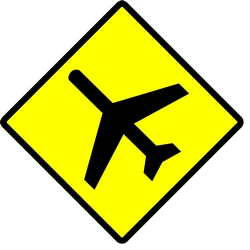
Warning for low-flying aircrafts.
Warning for low-flying aircrafts.

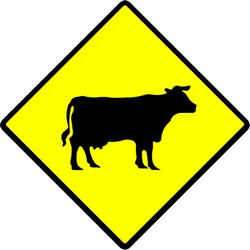
Warning for cattle on the road.
Warning for cattle on the road.

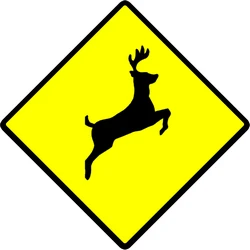
Warning for crossing deer.
Warning for crossing deer.

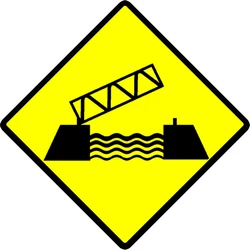
Warning for a movable bridge.

Warning for a movable bridge.

Warning for a speed bump.

Warning for a speed bump.

Warning for a bad road surface.
Warning for a bad road surface.

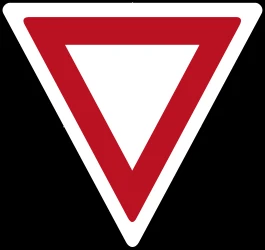
Give way to all drivers.
Give way to all drivers.

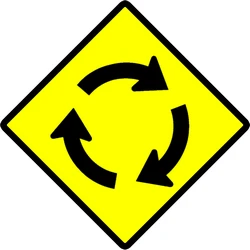
Warning for a roundabout.

Warning for a roundabout.

Warning for a crossroad with side road on the right.

Warning for a crossroad with side road on the right.

Warning for a crossroad side roads on the left and right.

Warning for a crossroad side roads on the left and right.

Stop and give way to all drivers.
Stop and give way to all drivers.

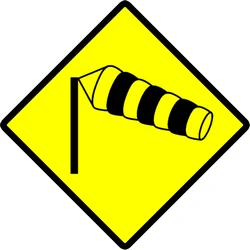
Warning for heavy crosswind.

Warning for heavy crosswind.

Driving Rules & Safety Guidelines for Learners in Indonesia

Essential traffic rules, road signs, and safe-driving guidance to improve theory test readiness and real-world driving.

Categories

Driving Culture and General Overview
Safety Guidelines
Driving Direction
Traffic Behavior
Road Usage
Speed and Driving Style
Use of Horns
Fuel and Refueling
Navigation and Road Layout
Parking System
Traffic Management
Technology and Transportation Apps
Road Obstacles and Events
Weather Conditions
Police and Law Enforcement
Vehicles and Transportation Types
Driving Mindset
Driving Culture and General Overview
Driving in Indonesia can feel chaotic and unpredictable, especially for foreigners who are not used to the local traffic environment.
Roads are often crowded with cars, motorcycles, buses, and other forms of transportation moving in close proximity.
Traffic laws exist but are often treated more as flexible guidelines rather than strict rules.
Motorcycles and scooters are the most common and practical way for many people to travel, especially in cities.
Drivers are expected to adapt quickly to local traffic behavior and remain alert at all times.
Safety Guidelines
Motorcycles are widely used but are also considered dangerous due to heavy traffic and unpredictable road conditions.
Drivers and riders should always wear helmets and appropriate protective clothing.
It is recommended to drive cautiously and stay within personal driving limits.
Shoes with good traction and protective clothing help reduce injuries in case of accidents.
Drivers are commonly reminded to travel carefully using the phrase 'Hati-hati di jalan', which means be careful on the road.
Driving Direction
Indonesia follows left-side driving, meaning vehicles generally drive on the left side of the road.
Despite the rule, some drivers may temporarily use oncoming lanes when it appears convenient or when overtaking.
Foreign drivers are strongly advised to follow the official rule and stay on the left side whenever possible.
Traffic Behavior
Traffic in Indonesia is dynamic and requires drivers to adapt quickly to changing situations.
It is common to see multiple vehicles sharing limited road space, including motorcycles passing between lanes.
Unexpected maneuvers such as sudden turns, overtaking, or lane changes are common.
Drivers are expected to remain calm and flexible while navigating traffic.
Road Usage
Motorcycles frequently use any available space to move through traffic, including road shoulders and gaps between vehicles.
Sidewalks, narrow alleys, and small roadside paths may sometimes be used by motorcycles when traffic is congested.
Roads may also be shared with pedestrians, street vendors, bicycles, and other slow-moving vehicles.
Speed and Driving Style
Speed limits may exist but many drivers tend to travel at the fastest safe speed possible when the road appears clear.
Seat belt use in cars is not always strictly practiced by all drivers.
Drivers often rely on personal judgment and road conditions rather than strict adherence to posted speed rules.
Use of Horns
Vehicle horns are frequently used in Indonesia as a communication tool rather than as an aggressive signal.
Drivers may honk to indicate they are passing, approaching, or requesting space in traffic.
Frequent horn use helps other drivers become aware of nearby vehicles.
Fuel and Refueling
Gas stations in Indonesia typically have attendants who fill fuel for drivers.
Self-service fuel pumping is uncommon.
Fuel prices are relatively low due to government subsidies.
Small roadside shops may also sell gasoline in bottles, although this fuel may be more expensive or lower quality.
Navigation and Road Layout
Many Indonesian cities and towns do not follow grid-style road layouts, which can make navigation challenging.
Roads may change names between neighborhoods or towns.
Street signs are often limited, so drivers commonly rely on landmarks or local directions.
Parking System
Parking attendants known as 'parkir' commonly manage roadside parking areas.
These attendants collect small parking fees and may assist drivers when entering or leaving traffic.
Parking fees are usually inexpensive and paid directly to the attendant.
Traffic Management
In busy intersections without traffic lights, unofficial traffic conductors may help manage vehicle flow.
These individuals direct traffic using hand signals, whistles, or simple tools.
Drivers sometimes give small tips to these helpers for assisting with traffic movement.
Technology and Transportation Apps
Mobile phones are considered essential for drivers in Indonesia.
Navigation apps such as digital maps help drivers locate destinations and avoid getting lost.
Ride-hailing services like GoJek and Grab provide convenient transportation options in major cities.
Road Obstacles and Events
Roads may sometimes be partially blocked due to local events or celebrations.
Common events that affect road traffic include weddings, funerals, festivals, protests, and community gatherings.
Certain cities also organize 'Car Free Day' events where roads are temporarily closed to vehicles.
Weather Conditions
Indonesia experiences frequent rain, particularly during the rainy season from approximately November to March.
Weather can change rapidly, turning sunny conditions into heavy rain within minutes.
Motorcycle riders are encouraged to carry rain gear when traveling.
Police and Law Enforcement
Drivers may occasionally be stopped by police for document checks or traffic inspections.
Police typically check driver licenses, vehicle registration, and other required documents.
Drivers should remain calm and cooperative during such stops.
Vehicles and Transportation Types
Indonesian roads include a wide range of transportation types including cars, motorcycles, bicycles, buses, and animal-drawn carts.
Motorcycle taxis known as 'ojek' are common in many areas.
Shared minibuses, locally known by names such as bemo or angkot, operate on fixed routes in many cities.
Three-wheeled vehicles such as bajaj or bentor are also used for short-distance travel.
Driving Mindset
Drivers are encouraged to move with the natural flow of traffic rather than making sudden or unpredictable movements.
Predictable driving behavior helps reduce the risk of accidents.
New drivers are advised to begin practicing in quieter areas before attempting to drive in busy traffic.

How Driving Licences Work in Indonesia
(SIM Process and Tests)

Learning driving theory is easier when you understand the licence process. In Indonesia, the driving licence is called SIM (Surat Izin Mengemudi) and is issued by the Indonesian National Police (Polri) through local SATPAS (Satuan Penyelenggara Administrasi SIM) offices.

First-time applicants typically complete registration, a health check, a theory test, and a practical driving test before receiving their SIM.

This page helps you prepare for the theory part of that journey: Practice Indonesia SIM theory questions, learn traffic signs, and review the key road rules that commonly appear in the written exam.

Types of Driving Licence in Indonesia

Indonesia has different SIM categories depending on vehicle type. Common examples include:

  • SIM A – Passenger cars (private vehicles)
  • SIM C – Motorcycles (most common for first-time riders)
  • SIM B1 / B2 – Larger vehicles and commercial vehicles

If you plan to drive a car, you will usually apply for SIM A.

If you plan to ride a motorcycle, you will apply for SIM C.

Make sure your practice questions match the SIM category you are applying for.

Minimum Age and Eligibility

Minimum age requirements generally include:

  • SIM A (car): 17 years
  • SIM C (motorcycle): 17 years
  • Higher categories may require older minimum age

Applicants are usually required to:

  • Hold a valid Indonesian ID (KTP)
  • Pass a health examination
  • Pass a psychological test (where required)
  • Pass theory and practical tests

Because procedures and requirements may be updated, always verify the latest rules through official Polri or SATPAS channels.

Documents Commonly Required

While exact requirements may vary by location, applicants commonly prepare:

  • Valid KTP (Indonesian ID card)
  • Health certificate from authorized clinic
  • Psychological test certificate (if required)
  • Application form
  • Required fees

Confirm your local SATPAS requirements before booking your appointment.

Typical Application Steps in Indonesia

A typical first-time SIM process may include:

  1. Register at SATPAS or through official online registration (if available in your region)
  2. Complete medical and psychological checks
  3. Take the theory test (traffic laws and road signs)
  4. Take the practical driving test
  5. Receive your SIM after passing all stages

This website supports your preparation by helping you Practice theory-style questions and understand Indonesian traffic signs before the official exam.

Indonesia Theory Test Format

The Indonesia SIM theory test typically evaluates:

  • Road sign recognition
  • Traffic rules and right-of-way
  • Safe riding/driving behaviour
  • Lane discipline and overtaking rules
  • Speed management
  • Helmet and seat belt regulations

The test is usually multiple-choice and computer-based in many SATPAS locations.

Passing scores and format may vary slightly by location, so confirm current details before your exam date.

Key Driving Rules to Study for Indonesia SIM Test

When preparing for the Indonesia driving theory test, focus on:

  • Left-hand traffic rules (Indonesia drives on the left side of the road)
  • Speed limits:
    • 50 km/h in urban areas
  • Day 5–7: Practice state-based tests and read explanations for every mistake

Don’t memorize the different ways to create responses, focus on the reason for making the correct choice.

This site is not an official DMV service. For official forms, fees, appointment rules, eligibility, and test policies, always use your state’s DMV website and handbook.

Frequently Asked Questions

Quick answers about Indonesia SIM practice tests, traffic signs, and application steps.

 Answer: SIM (Surat Izin Mengemudi) is Indonesia’s official driving licence issued by the Indonesian National Police through SATPAS offices.

 Answer: No. This website is an independent educational resource and is not affiliated with any government or licensing authority. The questions are for learning and practice purposes only.

 Answer: The minimum age is generally 17 years for SIM A (car) and SIM C (motorcycle), though higher categories may require older applicants.

 Answer: Indonesia drives on the left side of the road. Understanding left-hand traffic rules is important for passing the theory test and for safe driving.

 Answer: Study road signs carefully, understand traffic rules thoroughly, Practice multiple-choice questions regularly, and review explanations for incorrect answers before your exam.

Scroll to Top