
Italy Driving Licence Practice Tests, Traffic Signs & Motorizzazione / MIT Guidance
Practice questions for your Italy driving test (Patente) and review both the main Italian road signs and the most important theory-driving rules. This is an independent educational resource and is not affiliated with any government or licensing authority.
Choose your licence category and start practising exam-style questions based on the most common topics that appear in the Italian driving theory exam.
Italy Traffic Signs Guide
Before you take Italy driving licence practice tests, make sure you understand Italian road signs. Study by category and learn what each sign means in real driving situations on urban roads, extra-urban roads, and motorways.
Road Signs and Their Meanings

Warning for a danger with no specific traffic sign.
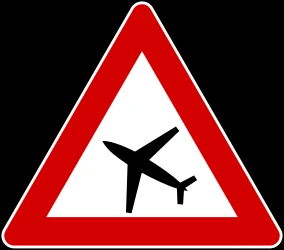
Warning for low-flying aircrafts.
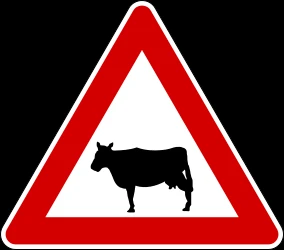
Warning for cattle on the road.
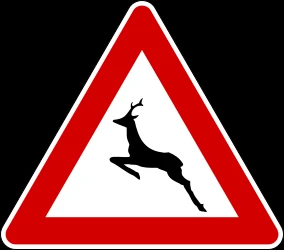
Warning for crossing deer.
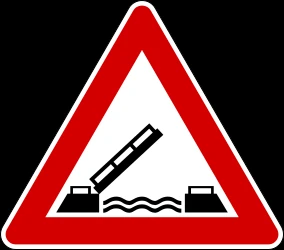
Warning for a movable bridge.
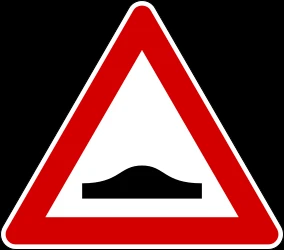
Warning for a speed bump.

Warning for a bad road surface.
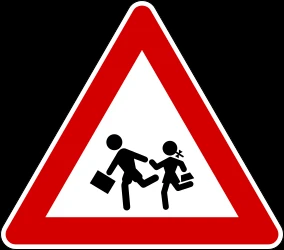
Warning for children.
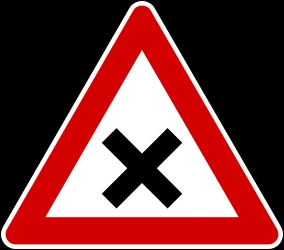
Warning for an uncontrolled crossroad.
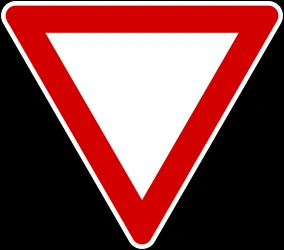
Give way to all drivers.
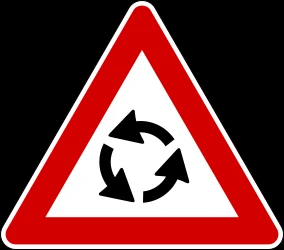
Warning for a roundabout.
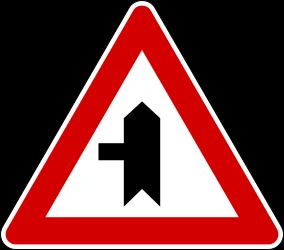
Warning for a crossroad with a side road on the left.
Driving Rules & Safety Guidelines for Learners in Italy
Must-know road rules, sign awareness, and safe-driving habits to support theory exam prep and safer driving.
Categories
How Driving Licences Work in Italy
(Patente B, Theory Exam & Practical Test)
Learning driving theory is easier when you understand the licence process. In Italy, the most common first car licence is Patente B. The Ministry of Infrastructure and Transport (MIT) states that obtaining Patente B includes both a theory exam and a practical driving exam.
This page helps you prepare in a practical way: practise Italy theory-test questions with explanations, study Italian traffic signs, and review common driving rules that appear in the exam.
Types of Driving Licence in Italy
Italy uses EU-style licence categories. Common examples include:
- AM – mopeds
- A1 / A2 / A – motorcycles
- B – motor vehicles (most people receive a class B licence as their first licence).
- C / D – trucks and buses (many additional requirements exist to satisfy both the driver and the vehicle).
For most first-time car drivers, you would be applying for Patente B, which includes a list of vehicle types and limits you are covered under Patente B on the MIT’s Patente B web page.
Minimum Age and Eligibility
For Patente B, MIT lists the minimum age as 18 years.
In most cases, applicants will need to submit valid identification, their tax code details, and a certificate confirming medical fitness (idoneità psicofisica), together with the completed application forms and the necessary fee payments. MIT’s Patente B page lists these documentation requirements and payment items.
Because procedures and required documents can change, treat this section as general guidance and verify the latest official requirements before applying.
Documents Commonly Required for Patente B
As per the guidance of MIT, the typical applicant will need the following:
- Application form (TT 2112)
- Identification document
- Tax Code/Health Card (codice fiscale)
- Receipt/certificate of Medical Fitness (idoneità psicofisica)
- Receipt of Payment (PagoPA tariffs for theoretical/practical exam)
Additional documents may apply in special cases (for example, non-EU citizens or applications submitted by a delegate), so always check the current MIT list.
Typical Application Steps (Motorizzazione + Exams)
A typical Patente B path in Italy often looks like this:
- Submit the Patente B application with the required documentation to the Motorizzazione Civile office (or via autoscuola)
- Prepare for and take the theory exam
- After passing theory, receive the foglio rosa (learner permit)
- Complete required driving practice/training
- Take the practical driving test
- Receive the licence after successful completion
This website supports the study part of that journey by helping you practise questions and learn signs before the theory test.
Italy Theory Test Format
MIT confirms that Patente B includes a theory test and that candidates have limited attempts/time windows for the theory stage (for example, 2 theory attempts within 6 months from the application date).
The theory stage focuses on understanding:
- Road sign recognition
- Traffic rules and right-of-way
- Speed and safety rules
- Road markings and safe behaviour
Practising regularly and reviewing explanations for mistakes is the best way to prepare for reworded questions.
Key Driving Rules to Study
If you want to cover the topics that commonly matter for Italy driving theory prep, prioritise:
- Road sign recognition (priority, prohibition, warning, information)
- Right-of-way rules at intersections and roundabouts
- Speed-limit logic (urban, extra-urban, motorway rules and posted signs)
- Seat belts and child restraints
- Alcohol / impairment safety rules
- Lane discipline and overtaking rules
Always remember: posted traffic signs and road markings control the situation, so learning sign meaning is essential.
How to Prepare Effectively (Simple Study Plan)
If you are starting from scratch, a simple plan works well:
- Day 1–2: Learn Italian traffic signs by category
- Day 3–4: Review key rules (priority, speed, markings, safety)
- Day 5–7: Practise Italy driving theory questions and review explanations for every mistake
Avoid memorising answers. Focus on understanding why an option is correct so you can handle reworded questions and real driving situations.
This site is not an official government website. For official forms, fees, documentation, exam attempts, and the latest Patente B rules, refer to the Ministry of Infrastructure and Transport (MIT) and official Motorizzazione resources. MIT’s Patente B page includes documentation, fee, and exam-attempt details.
Frequently Asked Questions
Quick answers about Italy driving theory practice tests, traffic signs, and Patente B preparation.
Answer: Patente B is the standard Italian car driving licence category for most first-time private car drivers. MIT’s Patente B page also describes the vehicle limits and combinations allowed under this category.
Answer: No. This website is an independent educational resource and is not affiliated with any government or licensing authority. The questions are for learning and practise, while official Patente exams are handled through the Italian licensing system.
Answer: MIT lists the minimum age for Patente B as 18 years.
Answer: Yes. MIT states that the foglio rosa is issued only after passing the theory test.
Answer: Learn road signs first, then focus on right-of-way and safety rules, then practise exam-style questions regularly and review every explanation carefully. Also make sure your official documents and medical requirements are in order before booking exams.