
Malaysia Driving Licence Practice Tests, Traffic Signs
& JPJ Guidance
Practice taking practice questions regarding theory, learn road signs from Malaysia, study the rules of the road regarding driving for the tests as a way to prepare for the actual Theory Test. This is a standalone educational resource and has no affiliations with any government or licensing organizations.
Malaysia Traffic Signs Guide
Before you take Malaysia driving licence practice tests, make sure you understand Malaysian road signs. Study by category and learn what each sign means in real driving situations.
Road Signs and Their Meanings
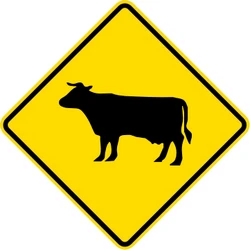
Warning for cattle on the road.
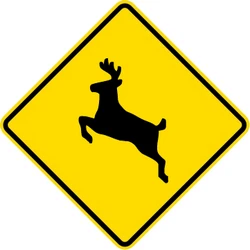
Warning for crossing deer.

Warning for a speed bump.

Warning for a bad road surface.
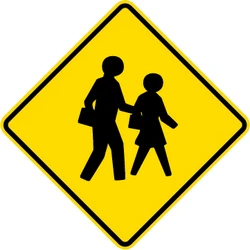
Warning for children.
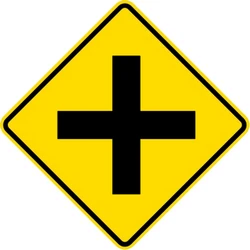
Warning for an uncontrolled crossroad.
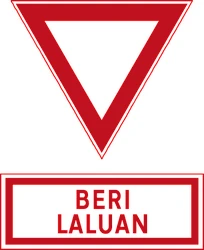
Give way to all drivers.
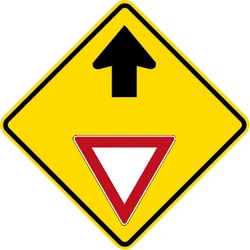
Give way ahead.
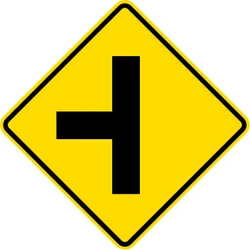
Warning for an uncontrolled crossroad with a road from the left.
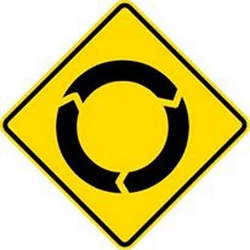
Warning for a roundabout.

Warning for a crossroad with a sharp side road on the left.

Stop and give way to all drivers.
Driving Rules & Safety Guidelines for Learners in Malaysia
Practical road rules, traffic signs, and safe-driving guidance to support theory test prep and confident driving.
Categories







How Driving Licences Work in Malaysia
(JPJ, QTI & Practical Test)
The driving licence application process is simplified through an understanding of how licences are administered at JPJ (Jabatan Pengangkutan Jalan – Malaysia’s Road Transport Department).
The driving licence application process is simplified through an understanding of how licences are administered at JPJ (Jabatan Pengangkutan Jalan – Malaysia’s Road Transport Department).
- Learner’s Driving Licence (LDL)
- Probationary Driving Licence (PDL)
- Competent Driving Licence (CDL)
First-time applicants must enroll in a certified driving institute, pass the computer-based theory test (Ujian Teori Berkomputer), complete practical training, and pass the road test before progressing to a full licence.
This page assists learners with their preparation for passing this first part of their driving licence application process. Topics include practice Malaysia driving test questions and answers, an overview of traffic signs, and reviews of key rules of the road that are important topics in the JPJ theory test.
Types of Driving Licence in Malaysia
Malaysia uses licence classes based on vehicle type. Common examples include:
- Class B / B2 – Motorcycles (B2 is the most common for small motorcycles)
- Class D – Passenger cars (most common first licence)
- Class E – Heavy vehicles
Most new car drivers apply for Class D, while most motorcycle riders apply for Class B2.
Make sure your practice questions match your licence class.
Minimum Age and Eligibility
Typical minimum age requirements:
- Class D (Car): 17 years.
- Class B2 (Motorcycle): 16 years.
Applicants are generally required to:
- Enroll at a certified driving school.
- Attend required theory lessons (KPP modules).
- Pass the computer-based theory test.
- Complete practical lessons.
- Pass the practical driving test.
Because procedures may be updated, always verify the latest requirements through JPJ or your driving institute.
Documents Commonly Required
Requirements can be different slightly. however, the following items will be common to most applicants:
- MyKad (Malaysian ID card)
- Passport-sized photographs
- Medical declaration (if required)
- Driving school registration documents
- Required fees
Ensure that you check your local driving school’s checklist before you book your test.
Typical Application Steps in Malaysia
A normal first-time applicant’s process includes:
- Registering at a registered driving school
- Completing the theory course for KPP
- Pass the computer-based theory test
- Receiving the Learners Driving License (LDL)
- Completing your driving practical with both circuit and road-training
- Passing the Drivers Practical Test (JPJ)
- Receiving Probationary Driving License (PDL)
After completion of the probationary period of two-years and having committed no serious offenses, the driver can upgrade to a Competent Driving License (CDL).
This website will provide you assistance in preparing for your theory portion of the Malaysian driving license test by allowing you to practice driving theory registry questions to be prepared prior to your scheduled exam.
Knowledge Test Format
Most state knowledge tests will include the following topics:
- Traffic signs and signals (recognition + meaning)
- Right of way and safe driving decisions
- Speed control, stopping distance, and lane rules
- Road markings and intersections
- Basic safety rules (seat belts, distraction, impaired driving)
The total number of questions, passing scores and time limits will vary by state, so practice with the appropriate state web page to prepare for your test.
Malaysia Theory Test Format
The Malaysia theory test is computer-based and typically evaluates:
- Road sign recognition
- Traffic rules and right-of-way
- Speed limits
- Road markings
- Safe driving behaviour
- Penalty and demerit point system basics
The test uses multiple-choice questions. A minimum passing score is required to proceed to practical training.
Always confirm current exam format and scoring rules before test day.
Key Driving Rules to Study for Malaysia
When you prepare for your Malaysian driving theory test you should be familiar with the following:
- Left-hand traffic rules (Malaysia drives on the left side)
- Speed limits
- 50–60 km/h in urban areas
- 90 km/h on federal roads
- 110 km/h on highways
- Use of seat belts (whether you are driving or a passenger)
- Helmet rules for motorcycle riders
- Use of signals and lane discipline
- Roundabout priority rules
Know that you must always follow all traffic signs first.
How to Prepare Effectively
If you are starting from scratch:
- Day 1–2: Start Learning with Malaysian traffic signs by category
- Day 3–4: Study right-of-way rules and speed regulations
- Day 5–7: Practice Malaysia driving test questions and review explanations
Avoid memorising answers. Focus on understanding road safety logic.
This website is not an official government platform. For official registration, exam scheduling, fees, and updated licensing requirements, refer to JPJ (Jabatan Pengangkutan Jalan) or your certified driving institute.
Frequently Asked Questions
Quick answers about Malaysia driving licence practice tests, traffic signs, and JPJ exam preparation.
Answer: The minimum age is generally 17 for Class D (car) and 16 for Class B2 (motorcycle).
Answer: Yes. The theory test (Ujian Teori Berkomputer) is taken electronically at authorized testing centers.
Answer: No. This website is an independent educational resource and is not affiliated with JPJ or any government authority.
Answer: Malaysia drives on the left side of the road.
Answer: Study traffic signs thoroughly, understand speed limits and right-of-way rules, Practice multiple-choice questions regularly, and review explanations before your exam.