
Mexico Driving Licence Practice Tests, Traffic Signs
& State Authority Guidance
Practice Mexico driving licence theory test questions, learn about common Mexican road signs to help you study for the test, and review important aspects of the driving rules or regulations. This is an independent educational resource and is not affiliated with any government or licensing authority.
Mexico Traffic Signs Guide
Before you take Mexico driving licence practice tests, make sure you understand Mexican road signs. Study signs by category and learn what each sign means in real driving situations.
Road Signs and Their Meanings
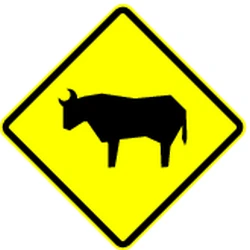
Warning for cattle on the road.
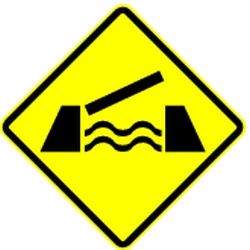
Warning for a movable bridge.
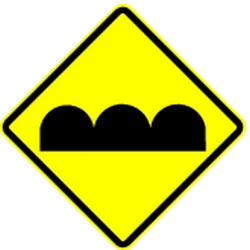
Warning for a bad road surface.
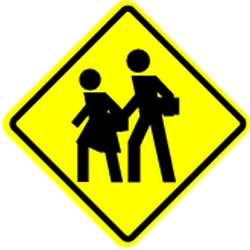
Warning for children.
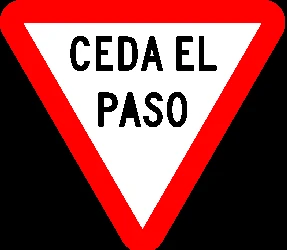
Give way to all drivers.
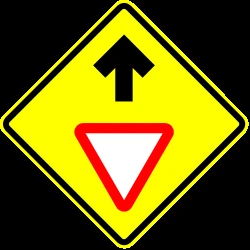
Give way ahead.

Warning for a roundabout.
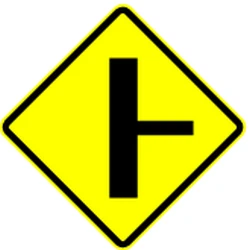
Warning for a crossroad with side road on the right.
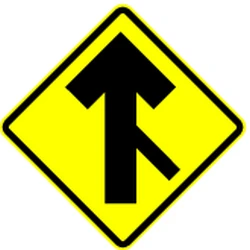
Warning for a crossroad with a sharp side road on the right.
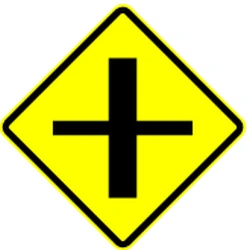
Warning for a crossroad side roads on the left and right.
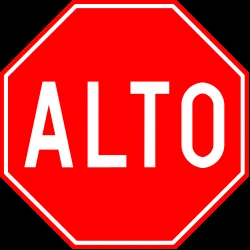
Stop and give way to all drivers.
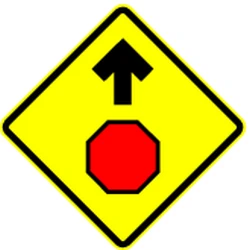
Stop and give way ahead.
Road Safety Guidelines
Learn essential road signs for your driving licence test. Understanding these signs is
crucial for safe driving and passing your Driving exam.
Categories
How Driving Licences Work in Mexico
(State Process and Requirements)
In Mexico, the different states (such as the City of Mexico, Jalisco, Nuevo León, and the State of Mexico) all issue driver’s licences at the state level. So that means every state will have unique processes regarding how they issue driver’s licenses – with individual state requirements and format for testing.
Some states require:
- Written Theory Test
- Practical Driving Test
- Medical checks
- Vision Tests
Specific licence types may have simplified procedures in other states.
This page is designed to help you get ready for the theory part of your driving licence. You can practice Mexico driving test questions, study traffic signs, and go over the most important road rules to feel confident before your exam.
Types of Driving Licence in Mexico
Each state has its own category system for driver licenses. Examples of the categories are:
- Automobile (Car) License
- Motorcycle License (Motociclista)
- Driver (Commercial or Professional) License
If you are applying for a standard car licence, you will usually choose the Automovilista category.
Always confirm your state’s official licence classifications before applying.
Minimum Age and Eligibility
Minimum age criteria usually cover:
- Car licence: Typically 18 years
- Some states allow the use of a provisional licence from 16-17 years, if parental consent is given.
Usually applicants will need to:
- Show proof of identity
- Provide proof of residential address
- Measure vision
- Take a theory/practical driving test, depending on state-by-state regulations.
Due to this variation between states it is essential that you check your local authority’s website prior to applying.
Documents Commonly Required
While exact requirements differ by state, applicants commonly prepare:
- Official ID (INE or passport)
- CURP
- Proof of address
- Payment receipt for licence fee
- Medical certificate (where required)
Check your state’s current document checklist before booking your appointment.
Typical Application Steps in Mexico
A common process in many states includes:
- A convenient online appointment (if offered)
- The correct paperwork needed to obtain a driver’s license
- A vision test or health assessment
- Knowledge test (if required in your state)
- Driving test (if required in your state)
- Receiving their driver’s license once they have met all requirements.
You will find practice questions on our website to help you prepare for the official Mexico driving theory exam.
Mexico Driving Theory Test Format
Where required, the Mexico driving licence theory test typically evaluates:
- Road sign recognition
- Traffic rules and right-of-way
- Speed limits
- Safe driving behaviour
- Alcohol and safety regulations
The test format is usually multiple-choice. Passing requirements vary by state.
Always confirm the number of questions and passing score through your state’s official authority.
Key Driving Rules to Study for Mexico
The following should be considered while preparing for a driving licence test in Mexico:
- Right-of-way rules at intersections
- Observed right-of-way rules at both intersections and roundabouts.
- Speed limits (general guidance):
- 40–60 km/h in urban areas
- 80–100 km/h on highways
- Up to 110 km/h on major federal highways (where posted)
- Seat belt requirements
- Child safety seat rules
- Strict drink-driving enforcement
Always follow posted traffic signs first, as they override general speed limits.
How to Prepare Effectively
If you are starting from scratch:
- Day 1–2: Learn Mexican traffic signs by category
- Day 3–4: Study speed limits, priority rules, and road markings
- Day 5–7: Practice Mexico driving licence test questions and review explanations
Don’t memorize the answers, understand the principles of traffic safety
This site is not a government official site. Bookings for appointments, license costs, eligibility rules, and changes/updates to requirements will follow the state Transport Authority (TA) of each state.
Frequently Asked Questions
Quick answers about Mexico driving licence practice tests, traffic signs, and state application processes.
Answer: No. Each state manages its own licensing process, requirements, and testing format. Always check your state’s official transport authority for the latest details.
Answer: No. This website is an independent educational resource and is not affiliated with any government authority. The questions are for practice and study purposes only.
Answer: In most states, the minimum age for a full car licence is 18. Some states may offer provisional permits for younger applicants.
Answer: Not all states require a written exam, but many do. Confirm the requirement with your state authority before applying.
Answer: Study traffic signs carefully, understand right-of-way rules, Practice multiple-choice questions regularly, and review explanations for mistakes before your test.