
Netherlands Driving Licence Practice Tests, Traffic Signs & CBR Guidance
The practice driving test questions in the Netherlands, as well as the Dutch road signs and main rules for driving theory preparation, should all be successfully completed for full theory preparation. The practice driving test questions are available from this independent resource and are not contacted by or for any governmental agencies or agencies involved with licensing bodies.
Netherlands Traffic Signs Guide
Before you take the Netherlands driving licence practice tests, make sure you understand Dutch road signs. Study signs by category and learn what each sign means in real driving situations across urban roads, motorways, and cycling-heavy areas.
Road Signs and Their Meanings
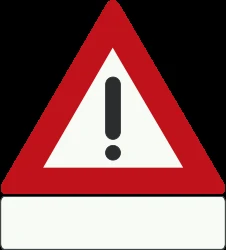
Warning for a danger with no specific traffic sign.
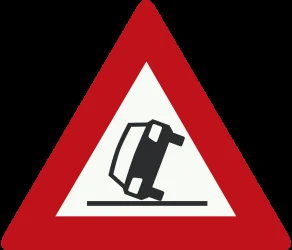
Warning for accidents.
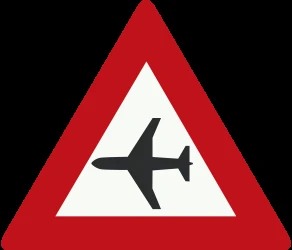
Warning for low-flying aircrafts.
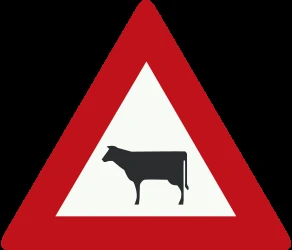
Warning for cattle on the road.
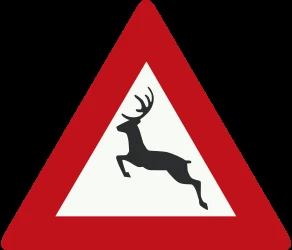
Warning for crossing deer.
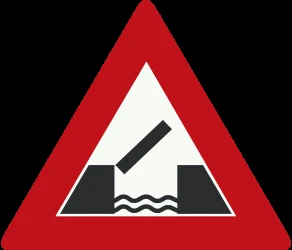
Warning for a movable bridge.
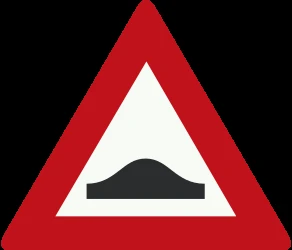
Warning for a speed bump.
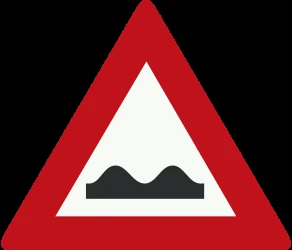
Warning for a bad road surface.
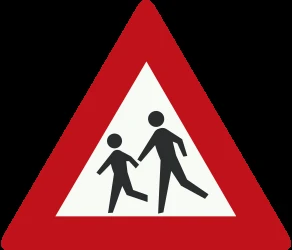
Warning for children.
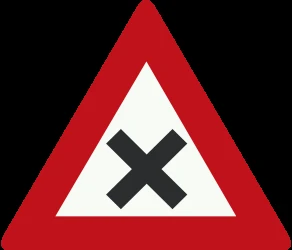
Warning for an uncontrolled crossroad.
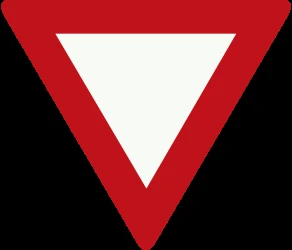
Give way to all drivers.
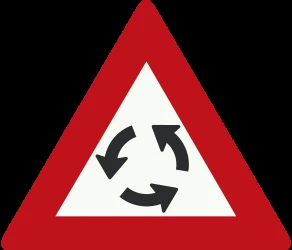
Warning for a roundabout.
Driving Rules & Safety Guidelines for Learners in the Netherlands
Must-know road rules, sign guidance, and safety habits to support theory exam prep and confident driving.
Categories
How Driving Licences Work in the Netherlands
(CBR Theory & Practical Exams)
Understanding the Dutch driving licence process makes theory preparation easier. In the Netherlands, driving exams are managed by the CBR (Centraal Bureau Rijvaardigheidsbewijzen).
Most first-time drivers must:
- All first-time drivers (those who have never held a driving licence) are required to take and pass the theory test before they can get practical lessons.
- All first-time drivers are also required to take and pass practical driving lessons before they may take their practical test.
- Once you have completed both the theory and practical driving steps as required, you will be able to obtain your driving licence through your local municipality (gemeente).
This page provides you with access to the practice theory questions and the rules and regulations that are included on the actual CBR driving theory exam for your preparation of your theory section of the driving exam.
Types of Driving Licence in the Netherlands
The Netherlands follows EU licence categories. Common examples include:
- AM – Mopeds
- A1 / A2 / A – Motorcycles
- B – Passenger cars (most common first licence)
- C / D – Trucks and buses
Most first-time applicants apply for Category B (car licence).
Minimum Age and Eligibility
Typical minimum age requirements include:
- Category B theory exam: 16.5 years
- Practical driving test: 17 years (with accompanied driving until age 18 under the 2toDrive system)
Applicants generally must:
- Fulfill physical criteria specified to drive a motor vehicle
- Obtain a Theory Test registration number through a Center
- Complete a Practical Training Program in order to apply
Because rules can change, always check current official CBR Guidelines prior to applying.
Documents Commonly Required
While exact requirements may vary, applicants commonly prepare:
- Valid ID (Dutch ID card or passport)
- BSN (citizen service number)
- Exam booking confirmation
- Medical self-declaration (where required)
Confirm the required documents before your exam appointment.
Typical Application Steps in the Netherlands
A common first-time process includes:
- Study and prepare for your theory test
- Schedule and pass your CBR theory test
- Complete driving lessons
- Pass your driving test
- Apply for your driving licence at your local government office
This website supports you with study materials to help you prepare for the theory test in the Netherlands. All study materials have been created so that you may take practice tests before taking the official tests.
Netherlands Driving Theory Test Format
The Netherlands theory exam usually includes three parts:
- Recognizing hazards
- Knowledge about traffic regulations
- Traffic awareness and ability to make sound decisions in terms of safety
The exam is computer-based and multiple-choice. A minimum passing score is required in each section.
Before taking your theory exam, always check with CBR (Centraal Bureau Rijvaardigheidsbewijzen) for any updates regarding the theory test format and scoring criteria.
Key Driving Rules to Study for the Netherlands
When preparing for the Netherlands driving theory test, focus on:
- Right-of-way rules, especially at uncontrolled intersections
- Cyclist priority rules (very important in the Netherlands)
- Speed limits:
- 50 km/h in built-up areas
- 80 km/h outside built-up areas
- 100 km/h on most motorways during the day (unless otherwise posted)
- Tram priority in cities
- Roundabout rules
- Strict drink-driving limits
Always follow posted traffic signs first, as they override general limits.
How to Prepare Effectively
If you are starting from scratch:
- Day 1–2: Study all the various Dutch traffic signs according to their classification
- Day 3–4: Study the right-of-way regulations as well as the regulations applicable to cyclists and speed regulations for the Netherlands.
- Day 5–7: Take practice theory tests based on practical examples and be sure to read through the explanations after answering each practice test.
Do not memorise any of the answers but rather understand the logic and rationale for safe driving and awareness of hazards.
This website has no connection to any government agency. For official exam registrations / licences / medical requirements & any updates/corrections to the Dutch licence process, please check your local municipality and/or refer to CBR’s website.
Frequently Asked Questions
Quick answers about Netherlands driving licence practice tests, road signs, and CBR exam preparation.
Answer: CBR (Centraal Bureau Rijvaardigheidsbewijzen) is the organization responsible for driving theory and practical exams in the Netherlands.
Answer: Yes. The theory exam is taken electronically at an official CBR testing location.
Answer: No. This website is an independent educational resource and is not affiliated with CBR or any government authority.
Answer: It includes a hazard perception section and places strong emphasis on cyclist safety and priority rules.
Answer: Study traffic signs carefully, Practice hazard recognition, understand right-of-way rules (especially involving cyclists), and review explanations for incorrect answers before the exam.