
Peru Driving Licence Practice Tests, Traffic Signs &
MTC Guidance
Prepare for your Peru driving test by studying practice questions, learning about driving laws, and understanding important driving rules before taking your exam. There is no government connection between these resources and your country’s driving license.
Peru Traffic Signs Guide
Before you take Peru driving licence practice tests, make sure you understand Peruvian road signs. Study signs by category and learn what each sign means in real driving situations on urban roads, highways, and mountain routes.
Road Signs and Their Meanings
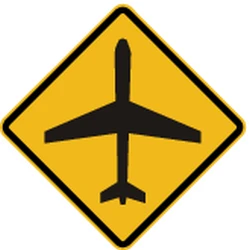
Warning for low-flying aircrafts.
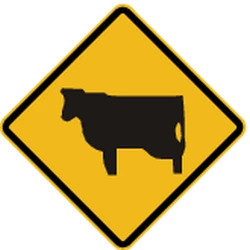
Warning for cattle on the road.
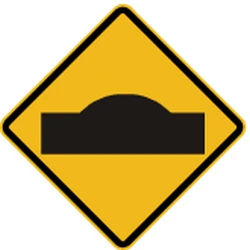
Warning for a speed bump.
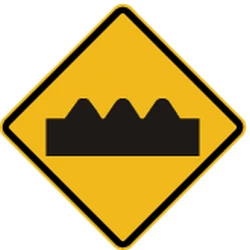
Warning for a bad road surface.
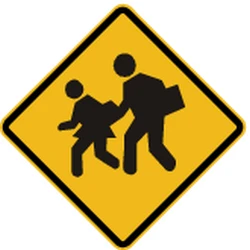
Warning for children.
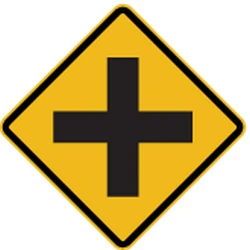
Warning for an uncontrolled crossroad.
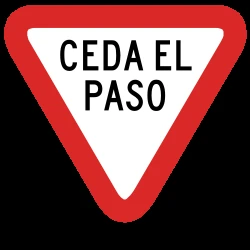
Give way to all drivers.
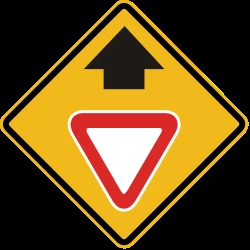
Give way ahead.
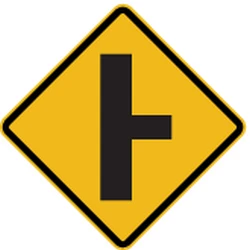
Warning for an uncontrolled crossroad with a road from the right.
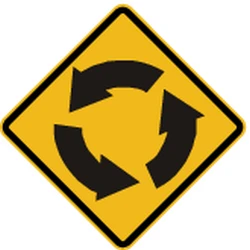
Warning for a roundabout.

Warning for a crossroad with a sharp side road on the right.
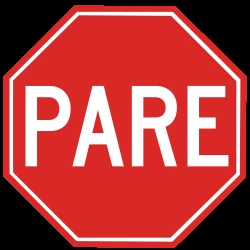
Stop and give way to all drivers.
Driving Rules & Safety Guidelines for Learners in Peru
Must-know road rules, sign basics, and safety guidance to help you prepare for the theory exam and drive responsibly.
Categories
How Driving Licences Work in Peru
(MTC Process and Exams)
You need to establish your knowledge of Peru’s licensing processes through the Ministry of Transport and Communications (MTC) in order to prepare to take a driving test in Peru.
Most first-time applicants must:
- You must be at least the age of majority (this is typically 18 years of age) or 21 if seeking an advanced license.
- You must pass all required medical and physical exams
- You must pass the written drivers theory test
- You must pass the practical driving test
Some special licenses may require additional documentation or verification of age before being issued. This website provides a resource for learning for each of the four prerequisites for taking the written theory test in Peru, as well as familiarizing yourself with the required conditions to apply and drive legally in Peru.
Types of Driving Licence in Peru
The different classes of licenses issued in Peru are determined by the type of vehicle being driven. The most common categories of licensing are:
- Category A-I indicates a private passenger automobile (this is the most common first-time driver’s license).
- Category A-II or A-III indicate public transportation and/or professional driving.
- Motorcycle licenses are also available and consist of a license for two-wheeled bicycles.
The majority of new drivers apply for the A-I category.
Before you begin applying for your license, please verify which class you are in.
Minimum Age and Eligibility
Minimum requirements to get your driver’s permit include:
- For private vehicle operators (grades A – I): You have to be at least 18
- Professional classifications may have higher minimums.
To be qualified to obtain your driver’s license, you typically must:
- Provide a valid Peru Identity Card (DNI)
- Complete a medical evaluation and psychological test successfully
- Pass a written test and driving test
These are minimum requirements, and be sure to check with the local authorities for any changes that may be made before you apply.
Documents Commonly Required
While requirements may vary, applicants commonly prepare:
- A valid ID (DNI)
- A Health Certificate Affirming Good Health Status
- Receipt of payment of license fee
- An Official Document Acknowledging and Confirming your Application
You should check your MTC’s website for updated documents required to submit your application.
Peru Driving Theory Test Format
The Peru driving theory test typically evaluates:
- Road sign recognition
- Traffic laws and regulations
- Right-of-way rules
- Speed limits
- Safe driving practices
- Alcohol and safety regulations
The exam is usually multiple-choice. A minimum passing score is required.
Confirm the current number of questions and scoring criteria before test day.
Key Driving Rules to Study for Peru
To prepare for your Peru driving licence test, ensure that you know about:
- Right-of-way rules at intersections
- Roundabout driving behaviour
- Correct speed limit (usual guideline):
- Urban areas–40 km/hr to 60 km/hr
- Highway–80 km/hr–100 km/hr
- Sometimes depending on posted signs
- Seatbelt laws
- Child safety seat requirements
- No drinking and driving
Remember always to obey the posted traffic signs first as they override any general speed limit for that area.
How to Prepare Effectively
If you are starting from scratch:
- Day 1–2: Studying Peruvian Traffic Signs by Category
- Day 3–4: Studying Right-Of-Way Rules and Speed Limits.
- Day 5–7: Practicing questions and reviewing the explanation for questions from the theory test.
This web page is not an official government site (see official registration, test scheduling and responder/vehicle fees from the Ministry of Transport and Communications [MTC].
Frequently Asked Questions
Quick answers about Peru driving licence practice tests, traffic signs, and MTC exam preparation.
Answer: The minimum age for a private car licence (A-I) is generally 18 years.
Answer: Yes. The written exam typically uses a multiple-choice format covering traffic signs and road rules.
Answer: No. This website is an independent educational resource and is not affiliated with MTC or any government authority.
Answer: Urban limits are typically around 40–60 km/h, with higher limits on highways depending on posted signage.
Answer: Study traffic signs carefully, understand right-of-way rules, Practice multiple-choice questions regularly, and review explanations for incorrect answers before your exam.