
Philippines Driving Licence Practice Tests, Traffic Signs
& LTO Guidance
Preparing for the Philippine driver’s theoretical test using free teaching tools accessible via the internet is due to the complete lack of any relationship with any type of government or licensing agency. Knowing how the driver’s license process works in the Philippines can aid with theory preparations. The driver’s license process is done through the Land Transportation Office of the Philippines (LTO).
Philippines Traffic Signs Guide
Before you take Philippines driving licence practice tests, make sure you understand Philippine road signs. Study signs by category and learn what each sign means in real driving situations on city roads, highways, and provincial routes.
Road Signs and Their Meanings
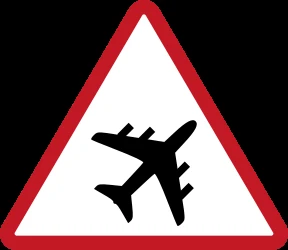
Warning for low-flying aircrafts.
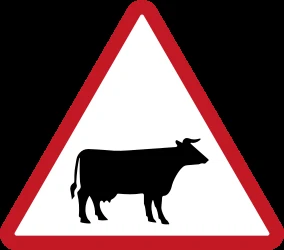
Warning for cattle on the road.
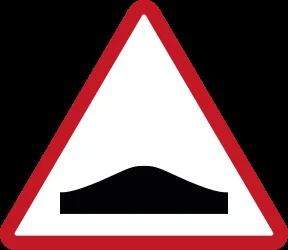
Warning for a speed bump.
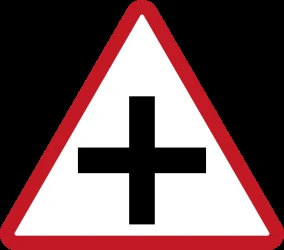
Warning for an uncontrolled crossroad.
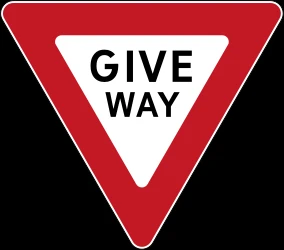
Give way to all drivers.
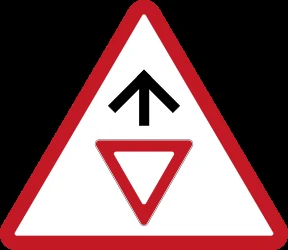
Give way ahead.
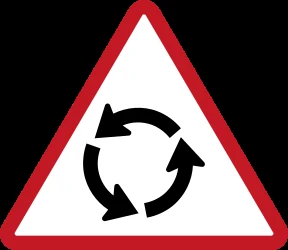
Warning for a roundabout.
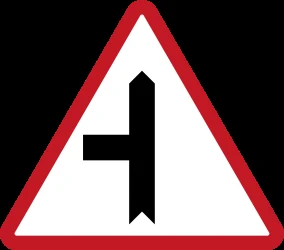
Warning for a crossroad with a side road on the left.

Warning for a crossroad with a sharp side road on the left.
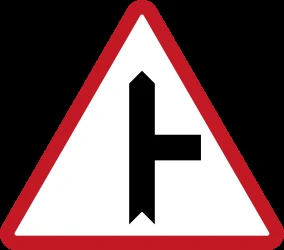
Warning for a crossroad with side road on the right.
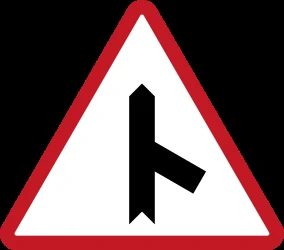
Warning for a crossroad with a sharp side road on the right.
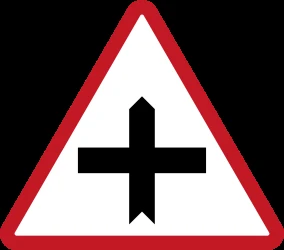
Warning for a crossroad side roads on the left and right.
Driving Rules & Safety Guidelines for Learners in the Philippines
Practical driving rules, traffic signs, and safety tips to support written test preparation and safer driving.
Categories
How Driving Licences Work in the Philippines
(LTO Process and Exams)
Understanding the Philippine driving licence process makes theory preparation easier. In the Philippines, driving licences are regulated by the Land Transportation Office (LTO).
Drivers in the Philippines have a specific way to follow when obtaining their license:
Types of driving licence in Austria
Most learners aim for Category B (car). Other categories exist for motorcycles and commercial vehicles, and they have different training requirements and tests.
If you’re unsure which category applies to you, check your driving school or the official guidance for your case.
- Take a Theoretical Driving Course (TDC) from an authorized driving school
- Apply for a student permit
- After completing the time required under the procedures, you will then take the written Driver’s License Examination.
- Take and pass the practical exam
- Receive your either Non-Professional or Professional Driver’s License
This website will help you along the way to success on your Driver’s License Examination by providing practice questions, and reviewing the different types of signs, and providing you with understanding of the rules of the road.
Types of Driving Licence in the Philippines
Common licence types include:
- Student Permit (MUST be used to become eligible for full-driving)
- Non-Professional Licence – Private Driver only – No Fees!
- Professional Driver – Driver working on hire or for commercial use
The majority of new private driver applicants will complete a Non-Pro at least one year after obtaining their Student Permit.
Minimum Age and Eligibility
Typical minimum age requirements include:
- Student Permit: Minimum Age 16
- Non-Professional Driver’s Licence: Minimum Age 17
- Professional Driver’s Licence: Minimum Age 18
Applicants will usually have to:
- Complete the Theoretical Driving Course (TDC)
- Provide valid ID documents
- Pass the practical and theoretical tests
For the most up to date requirements please check with LTO’s official channels because there can be changes to the regulations.
Documents Commonly Required
While requirements may vary slightly, applicants commonly prepare:
- A valid government-issued identification card
- A birth certificate issued from the PSA
- A TDC certificate
- A medical certificate from a clinic certified by the LTO
- A completed application form and payment for their application fee
Always confirm the most recent checklist of required documentation before attending your appointment.
Typical Application Steps in the Philippines
A common first-time process includes:
- Complete a course in theoretical driving (also known as TDC)
- Apply for a Student Permit
- Practice driving under supervision
- Take and pass the written exam
- Pass the practical driving test
- Receive your Non-Professional Licence
This website is to help you prepare for your theory exams by providing practice questions for the written portion of the Philippines driver’s license exam.
Philippines Driving Written Test Format
Usually the written exam prepared by the L.T.O. includes the following topics:
- Road signs
- Traffic laws as per provincially allocated jurisdiction
- Right-of-way rules
- Speed limits
- Safe driving procedures
- Penalties and violations
The exam is usually multiple-choice and computer-based in many LTO offices. A minimum passing score is required to proceed to the practical test.
Always confirm the current number of questions and scoring system before exam day.
Key Driving Rules to Study for the Philippines
When preparing for the Philippines driving licence test, focus on:
- Right-hand traffic rules (vehicles drive on the right side of the road)
- Speed limits (general guidance)
- 40–60 km/h in urban areas
- Higher limits on highways depending on posted signs
- Seat belt law compliance
- Helmet requirements for motorcycle riders
- Proper lane discipline and overtaking rules
- Strict drink-driving regulations
Always follow posted traffic signs, as they override general speed limits.
How to Prepare Effectively
If you are starting from scratch:
- Day 1–2: Learn Philippine traffic signs by category
- Day 3–4: Review both right of way rules and speeding regulations.
- Day 5–7: Practice Philippines driving theory test questions and review explanations
Avoid memorising answers. Focus on understanding traffic safety principles.
This website is not an official government platform. For the official application process, licence test scheduling, licence fees, and updated licensing rules, refer to the Land Transportation Office (LTO).
Frequently Asked Questions
Quick answers about Philippines driving licence practice tests, traffic signs, and LTO exam preparation.
Answer : LTO (Land Transportation Office) is the government agency responsible for driver licensing and vehicle registration in the Philippines.
Answer: Yes. The written test typically uses a multiple-choice format covering traffic rules and road signs.
Answer: No. This website is an independent educational resource and is not affiliated with LTO or any government authority.
Answer: You can apply for a Student Permit at 16, and for a Non-Professional Licence at 17, subject to meeting all requirements.
Answer: Study traffic signs thoroughly, understand right-of-way rules, Practice multiple-choice questions regularly, and review explanations before your exam.