
Poland Driving Licence Practice Tests, Traffic Signs
& WORD Guidance
You can study practice questions related to the theory portion of your Polish driving license exam as well as learn about Polish road signs and driver etiquette by utilizing this online resource. This resource does not work for or with any government or licensing authority.
Poland Traffic Signs Guide
Before you take Poland driving licence practice tests, make sure you understand Polish road signs. Study signs by category and learn what each sign means in real driving situations on urban streets, expressways, and motorways.
Road Signs and Their Meanings
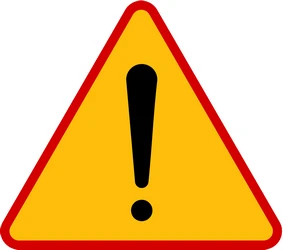
Warning for a danger with no specific traffic sign.
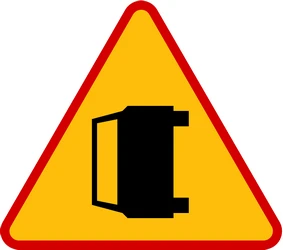
Warning for accidents.
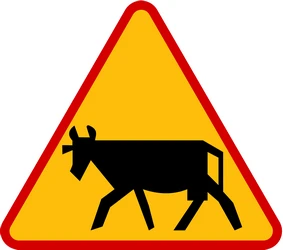
Warning for cattle on the road.
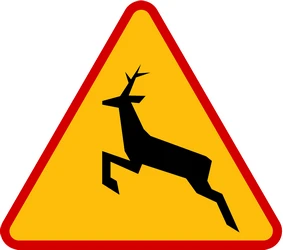
Warning for crossing deer.
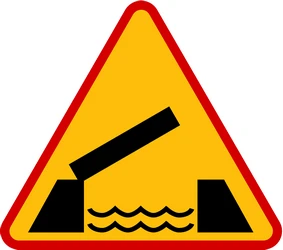
Warning for a movable bridge.
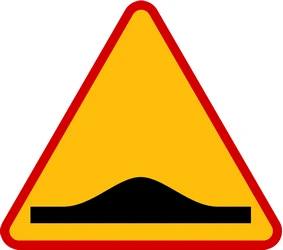
Warning for a speed bump.
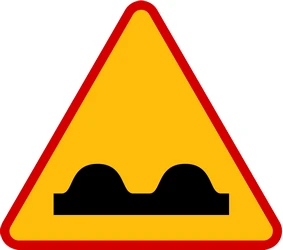
Warning for a bad road surface.
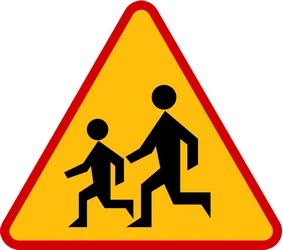
Warning for children.
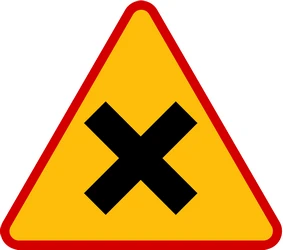
Warning for an uncontrolled crossroad.
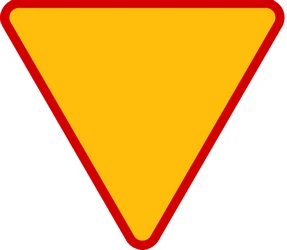
Give way to all drivers.
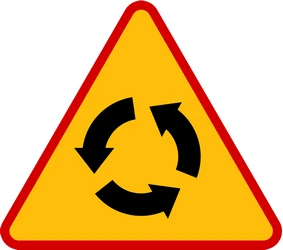
Warning for a roundabout.
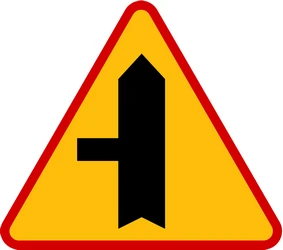
Warning for a crossroad with a side road on the left.
Driving Rules & Safety Guidelines for Learners in Poland
Key road rules, sign guidance, and safety habits to help you prepare for the theory test and drive safely.
Categories
How Driving Licences Work in Poland
(PKK, Theory Exam & Practical Test)
Understanding the Polish driving licence process makes theory preparation easier. In Poland, first-time drivers must complete training at a certified driving school and pass both theory and practical exams.
The process generally includes:
- Obtaining a PKK (Profil Kandydata na Kierowcę – Driver Candidate Profile) number.
- Completing your theory/ driving lessons from the registered driving school.
- Passing the theory examination.
- Passing the practical driving examination.
Both the theory & practical tests take place at the Regional Transport Testing Centre (WORD – Wojewódzki Ośrodek Ruchu Drogowego).
This page is designed to provide you with the resources necessary to help you succeed in preparing for your theory examination by providing you with practice driving theory test (polish) question’s, traffic sign’s and a basic understanding of the road rules.
Types of Driving Licence in Poland
Poland follows EU licence categories. Common examples include:
- AM – Mopeds
- A1 / A2 / A – Motorcycles
- B – Passenger cars (most common first licence)
- C / D – Trucks and buses
Most first-time applicants apply for Category B (car licence).
Minimum Age and Eligibility
Typical minimum age requirements include:
- Category B (car): 18 years
- Some motorcycle categories may allow younger applicants
Typically, applicants need to accomplish the following:
- Get a PKK number.
- Complete necessary theory and practice training hours.
- Have physical ability test completed.
- Successfully pass theory and practical tests.
Always confirm current eligibility requirements before applying.
Documents Commonly Required
It is common for applicants to prepare the following documents:
- Valid ID Card / Passport
- PKK Number Confirmation
- Medical Certificate
- Driving School Registration Documents
- Administrative Fees
Before you book your exam, confirm with your local driver office that you have everything you need to complete your application by checking their updated list.
Typical Application Steps in Poland
To begin the process of driving in Poland, you’ll need to complete the following steps:
- Step 1: Request a PKK number from your local government office
- Step 2: Complete a certified driving school
- Step 3: Finish your driver’s training
- Step 4: Pass the theory test at WORD
- Step 5: Pass the practical driving test
- Step 6: Get your driver’s licence from the Road Traffic Administration
This website provides you with the opportunity to practice the Polish driving theory exam prior to taking it.
Poland Driving Theory Test Format
The Polish theory test is computer-based and typically includes:
- Road sign recognition
- Traffic regulations
- Right-of-way rules
- Speed limits
- Safe driving principles
The exam consists of timed multiple-choice and scenario-based questions. A minimum passing score is required.
Confirm the latest format and scoring rules before test day.
Key Driving Rules to Study for Poland
When preparing for the Poland driving theory test, focus on:
- Right of Way Distribution at Intersections
- The Right of Way When Driving near Trams
- Speed limits:
- 50 kph (at the Day), 60 kph (some areas during the Night)
- 90 kph (outside of built-up areas)
- 120 kph (expressways)
- 140 kph (motorways)
- The Strict Loss of Driving Privilege associated with Drinking and Driving
- The Requirement to Wear a Seat Belt
- Child Restraint Requirements
Always follow posted traffic signs, as they override general limits.
How to Prepare Effectively
If you are starting from scratch:
- Day 1–2: First start with learn polish traffic signs by category
- Day 3–4: Study right-of-way rules and speed regulations
- Day 5–7: Practice Poland driving licence theory questions and review explanations
Avoid memorising answers. Focus on understanding traffic logic and safety principles.
This website is not an official government platform. For official exam booking, licence issuance, fees, and updated requirements, refer to your local authority and WORD examination centers
Frequently Asked Questions
Quick answers about Poland driving licence practice tests, traffic signs, and WORD exam preparation.
Answer: PKK (Profil Kandydata na Kierowcę) is the candidate driver profile number required before starting driving training and booking exams
Answer: Yes. The theory exam is computer-based and conducted at WORD examination centers.
Answer: No. This website is an independent educational resource and is not affiliated with any government authority.
Answer: The general motorway speed limit is 140 km/h unless otherwise posted.
Answer: Study traffic signs carefully, understand priority rules, Practice multiple-choice questions regularly, and review explanations before your exam.