
Traffic Signs & Signals – Road
Signs and Their Meanings
Prepared to take and pass your driving licence theory test, as well as to drive safely on the road, it is important to know about the significance of all types of traffic signs/signals. Road signs provide important instructions, warnings, restrictions, and guidance that every driver must follow.
This page provides a structured overview of common traffic signs used in multiple countries. While designs and minor rules may vary by region, most road signs follow internationally recognized categories such as warning signs, regulatory signs, and mandatory signs.
To see signs that are relevant to your area, please select your country from the below list.
Select Your Country to View Road Signs
Choose your country to see traffic signs and signals commonly included in your driving licence theory test.
Road Signs and Their Meanings
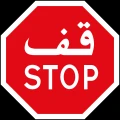
Stop
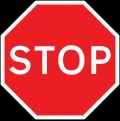
Stop (without Arabic language)
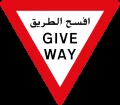
Give way
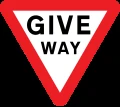
Give way (without Arabic language)
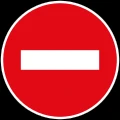
No entry
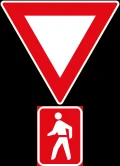
Give way to pedestrians
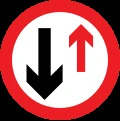
Priority for oncoming traffic
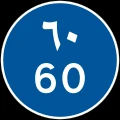
Minimum speed limit
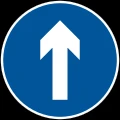
Proceed straight
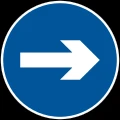
Turn right
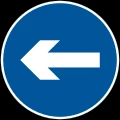
Turn left
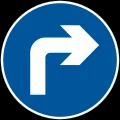
Turn left ahead
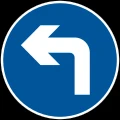
Turn right ahead
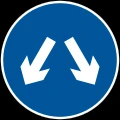
Pass on either side
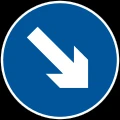
Keep right
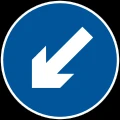
Keep left
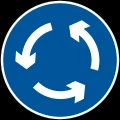
Roundabout
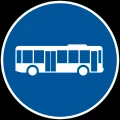
Buses only
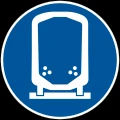
Trams only
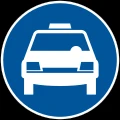
Taxis only
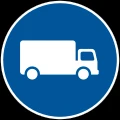
Goods vehicles only
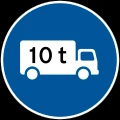
Goods vehicles exceeding 10 tonnes only

Switch head lamps
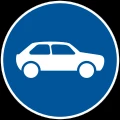
Cars only
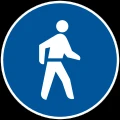
Pedestrians only
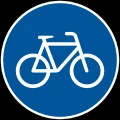
Bicycles only
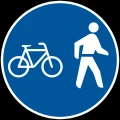
Pedestrians and bicycles only
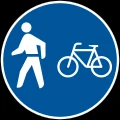
Pedestrians and bicycles only
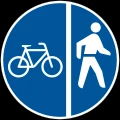
Pedestrians and bicycles only - segregated
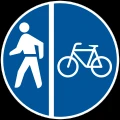
Pedestrians and bicycles only - segregated
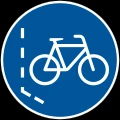
Start of bicycle lane
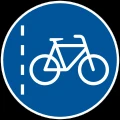
Bicycle lane
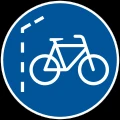
End of bicycle lane
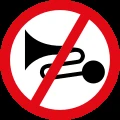
No hooting
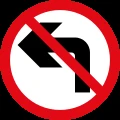
No left turn
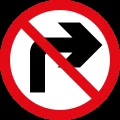
No right turn
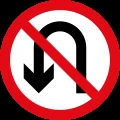
No U-turn
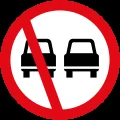
No overtaking
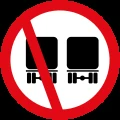
No overtaking by goods vehicles
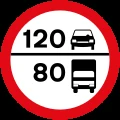
Speed limit per vehicle category
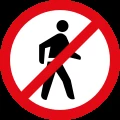
No pedestrians
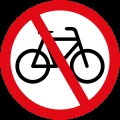
No bicycles
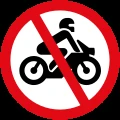
No motorcycles
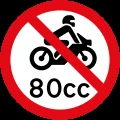
No light motorcycles (<80cc)
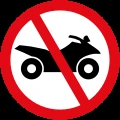
No quad bicycles
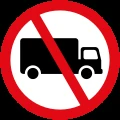
No goods vehicles
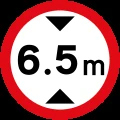
Maximum height limit
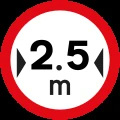
Maximum width limit
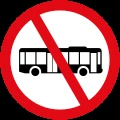
No buses
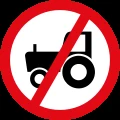
No agricultural vehicles
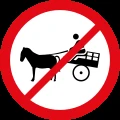
No animal-drawn vehicles
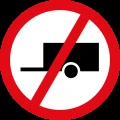
No trailers
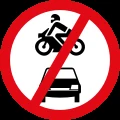
No motor vehicles
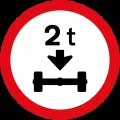
Axle massload limit
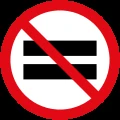
Authorised vehicles only
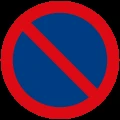
No parking or waiting
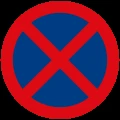
No stopping or standing
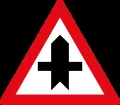
Crossroads
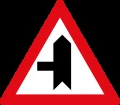
Side road junction to left
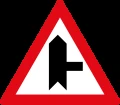
Side road junction to right
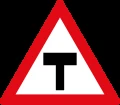
T-junction
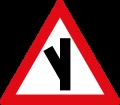
Skewed side road junction ahead to left
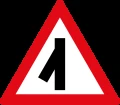
Skewed side road junction ahead to left
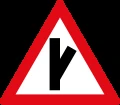
Skewed side road junction ahead to right
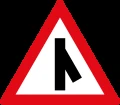
Skewed side road junction ahead to right
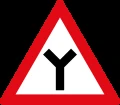
Y-junction
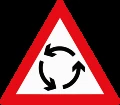
Roundabout
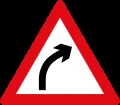
Dangerous curve to right
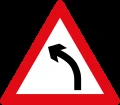
Dangerous curve to left
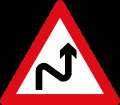
Dangerous curves, first to the right
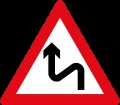
Dangerous curves, first to the left
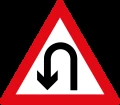
Hairpin curve
.svg.webp)
Two-way traffic
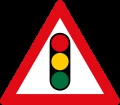
Traffic signals
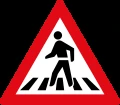
Pedestrian crossing
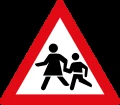
Children
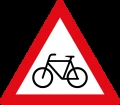
Cyclists
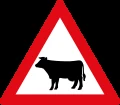
Animals crossing
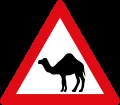
Camel crossing
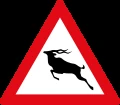
Wild animals crossing
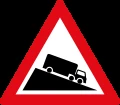
Steep descent
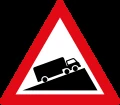
Steep ascent
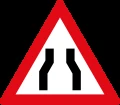
Road narrows
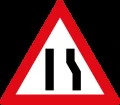
Road narrows on right side
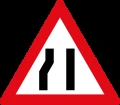
Road narrows on left side
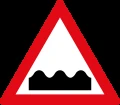
Uneven road
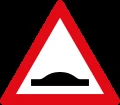
Bump
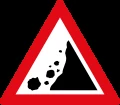
Rockfall
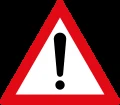
Other dangers
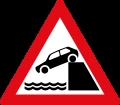
Unprotected quayside or riverbank
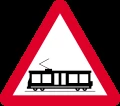
Tram crossing
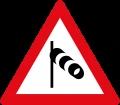
Crosswinds
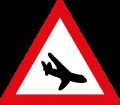
Low-flying aircraft
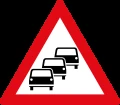
Traffic queues
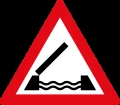
Opening or swing bridge
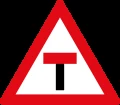
No through road
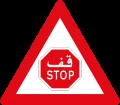
Stop ahead
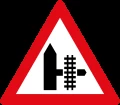
Railway crossing to the right
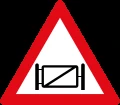
Gate
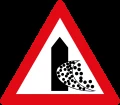
Sand dunes
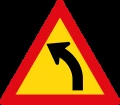
Dangerous curve to left
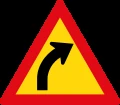
Dangerous curve to right
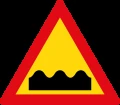
Uneven road
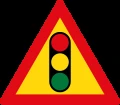
Traffic signals
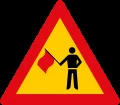
Flagman ahead
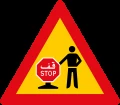
STOP/GO manual traffic control ahead
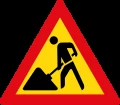
Roadworks
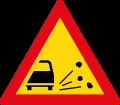
Loose chippings
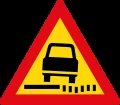
Dangerous shoulder
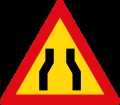
Road narrows
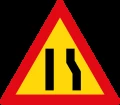
Road narrows on right side
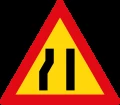
Road narrows on left side
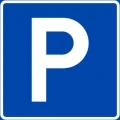
Parking
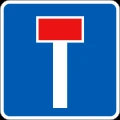
No through road
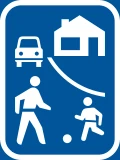
Living street
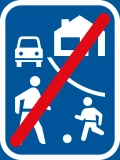
End of living street
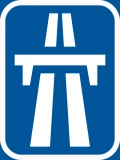
Freeway
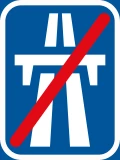
End of freeway
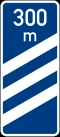
Exit
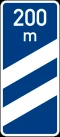
Exit
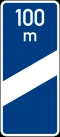
Exit

Hazard plate - left

Hazard plate - right
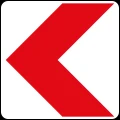
Single chevron - left
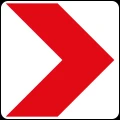
Single chevron - right

Multiple chevron - left

Multiple chevron - right

T junctions chevron
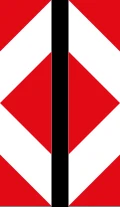
Hazard maker

Motor cars
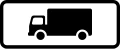
Trucks
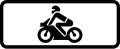
Motorcycles
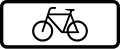
Cycles
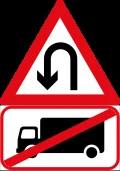
No turning for good vehicles
Why Learning Road Signs Is Important
Road signs play an important role in both every driver’s theory examination and on the road, and are necessary for safe driving; each driver will be familiar with them. A driver’s knowledge about road signs will allow them to:
- Avoid traffic violations
- Increased Road Safety Awareness
- Faster Decision Making While Driving
- Effectively Preparing for Learner Licence Exams
- Reduction Of Accident Risks
Studying traffic signs regularly improves recall speed during exams and real-life driving situations.
How Road Signs Appear in Driving Theory Exams
Multiple-choice questions related to road signs and signals are included in the theory portion of many countries’ driving license tests. You may be asked to:
- Identify the meaning of a sign
- Choose appropriate action for given sign
- Recognize hazard alert symbols
- Recognize speed limit restrictions
Practicing your skill to identify road signs can increase your confidence, which increases your chances of passing the practical test on your first try.
Frequently Asked Questions
Traffic signs are generally divided into warning signs, regulatory signs, mandatory signs, and information signs.
Many countries follow international standards, but shapes, colors, and specific rules may vary slightly. Always study signs specific to your country’s driving test.
Yes. Road signs are a major part of most learner permit and theory tests worldwide.
Regular practice, reviewing categorized signs, and taking mock driving theory tests can improve memorization and recognition speed.
This website is an independent educational source to support driving theory preparation. It is not affiliated with any government agency, licensing authority, or official testing body.