USA Driving Licence Practice Tests, Road Signs & DMV Guidance
Practice taking DMV written tests (knowledge tests) by state; learn about US road signs, review important driving rules for theory prep. This is an independently produced educational resource and is not associated with a government or licensing authority.
Select your state to start practicing learner permit questions and local test topics. You can switch states anytime.
California
Texas
New York
Florida
State Name
Practice questions based on State driving rules
Start Practice →
USA Traffic Signs Guide
You should learn US road signs before doing any practice tests for the learner permit. All traffic signs/symbols in the US conform to national regulations so knowing the different shapes, colours, and common purposes of each type of sign will shorten the amount of time it takes to answer the question correctly and allow you to operate your vehicle in a safe manner.
Road Signs and Their Meanings
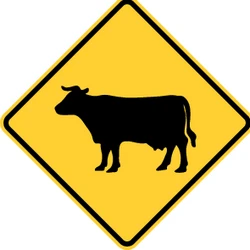
Warning for cattle on the road.
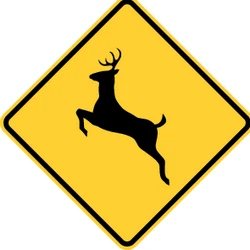
Warning for crossing deer.
Warning for a movable bridge.
Warning for a speed bump.
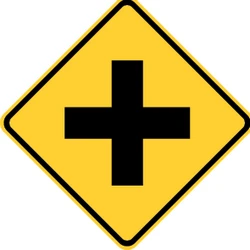
Warning for an uncontrolled crossroad.
Give way to all drivers.
Give way ahead.
Warning for an uncontrolled crossroad with a road from the right.
Driving Rules & Safety Guidelines for Learners in the United States
Key road rules, traffic signs, and safe-driving guidance to support permit test prep and responsible driving.
Categories
Child Safety
Teen Driving
Older Drivers
Pedestrian Safety
Bicycle Safety
Motorcycle Safety
School Bus Safety
Child Safety
Overview
You’ve spent hours researching safe cars and car seats, and finally selected the right choices for your family. You've even had your car seat inspected at an inspection station to make sure you installed it correctly. But did you know there are other dangers in and around your vehicle that could seriously harm or even kill your child?
Keeping Kids Safe
Find out how to keep your child safe in and around your vehicle. We offer prevention tips and information about vehicle features to avoid rollaway, backover, heatstroke, and other dangers to children.
Heatstroke
Look before you lock. Make it a habit to look before you lock, and try these tips to avoid putting children at risk of heatstroke.
Keep your vehicle locked and keep your keys out of reach; nearly 3 in 10 heatstroke deaths happen when an unattended child gains access to a vehicle.
TAKE ACTION if you notice a child alone in a car! Protecting children is everyone’s business—learn what to do if you see a child alone in a car.
It is never okay to leave a child alone in or around a car for any reason. See how much you know about preventing child heatstroke.
Even in cooler temperatures, your vehicle can heat up to dangerous temperatures very quickly. An outside temperature in the mid-60s can cause a vehicle’s inside temperature to rise above 110 degrees Fahrenheit. The inside temperature of your car can rise almost 20 degrees Fahrenheit within the first 10 minutes.
Heatstroke does not only occur during the summertime or in the Sun Belt States. This deadly issue can occur at any time of year, in any weather condition, in any community—for any parent.
Backover
Teach children not to play in or around cars.
Always walk around your vehicle and check the area around it before backing up.
Be aware of small children—the smaller a child, the more likely it is you will not see them.
Teach children to move away from a vehicle when a driver gets in it or if the car is started.
Have children in the area stand to the side of the driveway or sidewalk so you can see them as you are backing out of a driveway or parking space.
Make sure to look behind you while backing up slowly in case a child dashes behind your vehicle unexpectedly.
Roll down your windows while backing out of your driveway or parking space so that you'll be able to hear what is happening outside of your vehicle.
Teach your children to keep their toys and bikes out of the driveway.
Because kids can move unpredictably, you should actively check your mirrors while backing up.
Many cars are equipped with detection devices that provide rearview video or warning sounds, but they cannot completely take the place of actively walking around your car to make sure children are safely out of the way. Do not rely solely on these devices to detect what is behind your vehicle.
Backover can happen when you least expect it. Never leave a child alone in or around a vehicle.
Power Windows
Teach your children not to play with window switches.
Teach your children not to stand on passenger door arm rests.
Properly restrain your children in car seats or seat belts to prevent them from accidentally activating power windows and sunroofs.
Look and make sure your kids' hands, feet, and head, are clear of windows before raising the windows.
Never leave the key in the ignition or in the "on" or "accessory" position when you walk away from your car.
If available, activate the power window lock switch so that your children cannot play with the windows.
Your car may have child safety settings for power windows, but that doesn’t mean your child will not find a way to test the system. Never leave your children alone in a vehicle for any reason.
All model year 2010 vehicles and newer will have "pull to close" switches, which require you to pull up on them to close the window. Older vehicles may have window switches that a child can accidentally step or put weight on, easily causing a window to close.
Some vehicles have power windows that automatically reverse when an object (such as your child's arm or neck) is in the path of a closing window. Check both the individual vehicle rating pages on nhtsa.gov and your owner's manual to see if a vehicle is equipped with this safety technology.
Seat Belt Entanglement
Do not let children play in or around cars.
Always ensure children are properly restrained.
Teach children that seat belts are not toys.
Be aware that some seat belts have a retractor that locks if pulled all the way out.
If a child has an unused seat belt within reach, buckle unused seat belts. Pull the seat belt out all the way to the end without yanking. Then, feed the excess webbing back into the retractor.
Seat belt entanglement can happen in the blink of an eye. Never leave your children alone in or around a vehicle for any reason.
Trunk Entrapment
Teach children that vehicle trunks are for cargo, not for playing.
Check the trunk right away if your child is missing.
Lock your car doors and trunk and be sure keys and remote entry devices are out of sight and reach of your kids.
Keep the rear fold-down seats closed/locked to keep your children from climbing into the trunk from inside your car.
Many factors can contribute to trunk entrapment injury or death. Always supervise your child and never leave him or her alone in or around a vehicle for any reason.
Younger children are more sensitive to heat than older children and adults, and are at greater risk for heatstroke.
High temperature, humidity, and poor ventilation create an extremely dangerous environment in a vehicle trunk.
Check the trunk right away if your child is missing.
Trunk entrapment has similar risks to heatstroke: Even in cooler temperatures, your vehicle can heat up to dangerous temperatures very quickly. An outside temperature in the mid-60s can cause a vehicle’s inside temperature to rise above 110 degrees Fahrenheit. The inside temperature of your car can rise almost 20 degrees Fahrenheit within the first 10 minutes.
Vehicle Rollaway
Always ensure the vehicle is securely in the Park position before shutting the vehicle off and exiting.
Supervise children carefully when in and around vehicles.
Keep vehicle locked when unattended.
Never leave keys in the car.
Verify whether your vehicle has BTSI by reading the owner's manual.
Vehicle rollaway can happen in an instant. Always supervise children and never leave them alone in or around a vehicle for any reason.
When the vehicle is set in motion, a driver may try to jump into the rolling vehicle in an attempt to stop it, only to be injured or run over. Children can also be hurt inside the vehicle, especially if they are unbelted and the vehicle is in motion. Sometimes, the vehicle may end up running over someone else or into other vehicles. Safety equipment such as air bags are not operational when the vehicle is in the Off position.
All vehicles with automatic transmission and a Park position, manufactured for sale after September 1, 2010, must have BTSI.
A small but growing number of new vehicles have an automatic Shift-to-Park function which is a safety feature intended to prevent vehicles from accidentally being turned off without Park being engaged. Should the vehicle be turned off before being placed into Park, the vehicle will automatically shift the transmission to the Park position.
NHTSA is dedicated to promoting safe behaviors on our nation’s roads
Keeping children safe extends beyond car seats. NHTSA works to prevent the injury and death of children in and around vehicles by providing educational information to parents and caregivers, and through our different prevention campaigns.
But we need your help: First, it is imperative to never leave children alone in or around a vehicle, for any reason. It can only take a minute for one of these vehicle risks to seriously injure or kill your child. Second, we need to work together to teach children the dangers of playing in and around cars. Teaching vehicle safety will go many miles in the efforts to keep kids safe.
Teen Driving
Overview
After spending years protecting your children from all sorts of dangers on the road and off, you now face the prospect of handing them the keys to the family car. It is time for them to learn how to drive. Are you prepared? We can help you develop your teen's driving ability.
For Parents
Learn about your state’s GDL laws. Note that the laws and restrictions can vary from state to state. Familiarizing yourself with the restrictions placed on your teen's license can better assist you in enforcing those laws. You have the opportunity to establish some important ground rules for your teen driver. Restrict night driving and passengers, prohibit driving while using the phone or other electronic devices, and require seat belt use at all times.
Talk to your teen about the dangers of drug and alcohol use. Remind them that it is illegal to drink under the age of 21, and it is illegal—and deadly—to drink and drive. If a teen is under 21, his or her blood alcohol concentration (BAC) should always be at .00, not just under .08, which is the legal limit for drivers over age 21.
Be a good role model. Remember that your child looks to you as a driver, so practice safe driving yourself. Set aside time to take your teen on practice driving sessions. It can be a great way to spend time together and to allow your teen to improve some basic driving skills. Your teen's learning starts at home.
Don't rely solely on a driver's education class to teach your teen to drive. Remember that driver's education should be used as just part of a GDL system.
Talk to your teen about the rules and responsibilities involved in driving. Share some stories and statistics related to teen drivers and distracted driving. Remind your teen often that driving is a skill that requires the driver's full attention. Texts and phone calls can wait until arriving at his or her destination.
Familiarize yourself with your state's graduated driver licensing law, and enforce its guidelines for your teen. Check to see what your state's laws are on distracted driving; many states have novice driver provisions in their distracted driving laws. Create your own rules if necessary. Restricting the number of passengers your teen can have, or the hours your teen can drive, is a very effective way to minimize distraction for your teen driver. Talk about the consequences of distracted driving and make yourself and your teen aware of your state's penalties for talking or texting on a phone while driving.
Set consequences for distracted driving. If your teen breaks a distraction rule you've set, consider suspending your teen’s driving privileges, further limiting the hours during which they can drive, or limiting the places where they can drive. Parents could also consider limiting a teen’s access to their cell phone—a punishment that in today’s world could be seen by teens as a serious consequence.
Set the example by keeping your eyes on the road and your hands on the wheel while driving. Be consistent between the message you tell your teen and your own driving behaviors. Novice teen drivers most often learn from watching their parents.
Familiarize yourself with your state's graduated driver licensing (GDL) law, and enforce its guidelines for your teen.
Set your own additional rules and consequences. Establish the consequences you will enforce if your teen doesn’t obey the state GDL restrictions. If your state doesn’t have a passenger restriction, establish your own rule limiting the number of passengers in the car and enforce it.
Get Involved: Teens who are monitored closely tend to speed less. Take the lead to do more to address speeding behavior by your teen driver and get involved in the learning-to-drive process.
Be a good role model: Never speed. Be consistent between the message you tell your teen and your own driving behaviors. Kids learn from watching their parents.
Hold up on buying your teen a new car: According to a study by GHSA, when a teen first has a driver's license, he or she is more likely to speed in their own vehicle versus driving the family sedan. If possible, parents should choose larger, newer cars rather than high-performance vehicles.
Tell your teen that underage drinking, as well as illicit drug use and over-the-counter and prescription drug misuse, is illegal and holds serious consequences. Together, read about some teenagers who've been affected by alcohol or drugs and particularly those who have lost their lives to impaired driving. Teens can often relate better to other teenagers.
Never provide alcohol to teens. Do your part to prevent your teen from having access to alcohol. Unfortunately, some parents think it's OK to provide alcohol for teens. Don't do it—it’s illegal. Parents who supply alcohol to any teen—or help any minor possess or consume alcohol—face jail time, loss of a driver's license, and serious fines. Remember: For those under 21, the BAC limit is not .08—it is zero.
Tell your teen that driving while impaired by drugs is illegal, too. The use of drugs can affect their ability to drive a vehicle safely. This includes illegal drugs, many drugs prescribed by a doctor for them or for someone else, and some over-the-counter drugs. Teach your children about zero-tolerance laws, which make it illegal to drive with any measurable amount of specified drugs in the body.
Remind your teen that it is never safe to ride in a car with someone who has been drinking alcohol or using drugs. If there is even a suspicion of alcohol or drug use, your teen should decline the ride immediately. Let your teen know that they can call you or another trusted adult for a safe ride home if they need one.
Make the consequences clear. Remind your teens that they face adult consequences for driving after using alcohol or drugs. Make sure your teens know that if they violate underage drinking laws, they face a trip to jail, the loss of their driver licenses, and dozens of unanticipated expenses including attorney fees, court costs, and other fines. Remind them of the added embarrassment and humiliation in getting arrested. Drunk- and drugged-driving convictions can even compromise academic eligibility, college acceptance, scholarship awards, and more.
Let them know: Not only is buckling up the law, it's also one of the easiest and most effective actions in reducing the chances of death and injury in a crash. Help your teen understand why seat belts are so important (most importantly, because seat belts prevent ejection from a vehicle), and that they must be worn in the front seat and the back seat, every trip, every time. Talk to your teen about the seat belt laws in your state. Tell your teen that it's dangerous and reckless to ride in a car unbuckled. Make them aware of the consequences of not buckling up: tickets, loss of driving privileges, injury, or even death in the event of a crash.
Set the example: One of the best things you can do as a parent and role model is to always wear your seat belt in the car. Children who grow up watching their parents buckle up are more likely to buckle up when they become drivers. And, before you ever pull out of the driveway, ensure all passengers are buckled to further impress upon your teen the importance of buckling up.
Remind Them: This isn't a one-time conversation, it's an ongoing effort. Ask your teen often about wearing a seat belt, and give simple reminders from time to time. Something as simple as a sticky note in the car can be a helpful visual reminder to your teen driver. Your teen should buckle up every trip, as the driver, as a passenger, in the front seat, and in the back.
For Teens
Don’t drive impaired.
Buckle up and make sure your passengers do too.
Keep your eyes on the road, hands on the wheel and mind on the task of driving.
Follow the posted speed limit.
Limit passengers.
Teen Driver Requirements
Minimum age
Minimum duration
Required supervised driving hours
Minimum age
Nighttime driving restriction
Passenger restriction (except for family, unless noted)
Minimum age
Learn your state’s GDL laws using this guide from the Governors Highway Safety Association.
Check out your licensing agency’s website for the driver manual your teen reads and a parent guide to supervised driving.
Keep a daily log of your teen’s driving.
Set driving ground rules with your teen and explain the consequences; then get it in writing and, most importantly, enforce the rules.
State sets minimum age for a learner's permit at no younger than 16 years old;
Pass vision and knowledge tests, including rules of the road, signs, and signals;
Completion of basic driver training;
Licensed adult (who is at least 21 years old) required in the vehicle at all times;
All occupants must wear seat belts;
Zero alcohol in system while driving;
Learners permit is visually distinctive from other driver licenses;
Must remain crash- and conviction-free, including violations of the seat belt, zero-tolerance, speed, and other GDL provisions, for at least 6 consecutive months to advance to the next level;
Parental certification of 30 to 50 practice hours; and
No use of portable electronic communication or entertainment devices while driving.
Completion of Stage 1;
State sets minimum age of 16.5 years old;
Completion of intermediate driver education training (e.g., safe driving decision-making, risk education);
All occupants must wear seat belts;
Licensed adult required in the vehicle from 10 p.m. until 5 a.m. (e.g., nighttime driving restriction) with limited exceptions (e.g., religious, medical, or school- or employment-related driving);
Zero alcohol in system while driving;
Provisional license is visually distinctive from a regular license;
Teenage passenger restrictions – not more than one teen passenger for the first 12 months of Intermediate License. Afterward, limit the number of teen passengers to two until age 18;
Must remain crash- and conviction-free, including violations of the seat belt, zero-tolerance, speed, and other GDL provisions, for at least 6 consecutive months to advance to the next level; and
No use of portable electronic communication or entertainment devices while driving.
Completion of Stage 2;
State sets minimum age of 18 for lifting of passenger and nighttime restrictions;
Zero alcohol in system while driving; and
Visually distinctive license for drivers under the age of 21.
Driver's Education
Teen drivers are involved in vehicle crashes not because they are uninformed about the basic rules of the road or safe driving practices; rather, studies show teens are involved in crashes as a result of inexperience and risk-taking. Teen drivers, particularly 16- and 17-year-olds, have high fatal crash rates because of their immaturity and limited driving experience, which often result in high-risk behavior behind the wheel. Peer pressure is an especially potent factor. In a recent NHTSA study, teens were two-and-a-half times more likely to engage in potentially risky behavior when driving with a teenage peer versus driving alone. The likelihood increased to three times when traveling with multiple passengers.
Driver's education programs are designed to teach teen drivers the rules of the road and to help them become safe drivers so they can acquire the necessary driving skills to prepare for and pass the road driving test and, ultimately, obtain a driver’s license. Formal driver education programs exist in almost every jurisdiction in the United States. These programs generally mirror states’ specific driving requirements, which assure novice drivers are being taught information relevant to state requirements. The graduated driver licensing (GDL) system, which identifies driver education as an important component, gives novice drivers experience under adult supervision and protection by gradually introducing the novice driver to more complex driving situations. In fact, multiple studies report that GDL systems reduce the number of teen crashes. But the learning doesn't stop there. As a parent, it’s essential that you take a proactive role in keeping your teen alive and injury-free throughout the early years of their driving education.
Section
Know and understand your state’s GDL law.
Share important driving tips and facts from this webpage with your teenager.
Set ground rules and consequences for your teen driver, and get it in writing.
Be a role model – practice safe driving habits every time you drive.
Alcohol and Driving (PDF, 266 KB) - Fact sheet about drivers (age 15-18) involved in fatal motor vehicle traffic crashes.
Blindzone Glare Elimination (PDF, 408 KB) - With enhanced mirror settings, you can avoid turning and looking into the blindzones. All that’s required is a glance outside the mirror to see if a car is there.
Driver Distractions (PDF, 408 KB) - Although any distraction while driving has the potential to cause a crash, some are particularly hazardous to teen drivers.
Efficient Steering Techniques (PDF, 686K B) - Crash statistics indicate that driver errors involving steering techniques are the main causes of crashes where drivers run off the road. Teens are more likely than older drivers to overcompensate when their vehicle drops off the shoulder.
Proper Seat Belt Use (PDF, 313 KB) - A high number of teens killed in crashes were not wearing their seat belts.
Risk Management (PDF, 266 KB)- Low-risk drivers are those who identify potential hazards, reduce risk by adjusting their speed or position, and communicate their intentions to others.
Visual Search/Perception (PDF, 409 KB) - Scanning helps you anticipate having to change speed or roadway position because of problems ahead, such as vehicles or people that may be in the roadway or signs warning of problems ahead.
Work/Construction Zones (PDF, 256 KB) - When approaching a work zone watch for cones, barrels, signs, large vehicles, or workers in bright colored vests to warn you and direct you where to go.
NHTSA is dedicated to promoting safe behaviors on our nation’s roads
Traffic crashes are a leading cause of death for teens. Impairment, passengers, distractions from mobile phones and navigation systems, speeding, and not wearing a seat belt are among the major contributing factors to the number of teen injuries and fatalities on our nation’s roads each year. In light of a nationwide increase in passenger vehicle-related fatalities, NHTSA is stepping up its teen safety efforts.
Through research, community partnerships, State safety grant programs, and public awareness campaigns, such as National Teen Driver Safety Week, NHTSA demonstrates its dedication to promoting safe teen driving.
Under our Teen Driving topic, you’ll find resources about safe driving behaviors and Graduated Driver Licensing (GDL) laws developed for parents and caregivers of teens.
Older Drivers
Overview
If you are an older driver or a caregiver, NHTSA encourages you to talk about driving safety. We offer material to help you understand how aging can affect driving and what you can do to continue driving safely as you age, such as adapting a vehicle to meet specific needs.
What You Can Do
Talking with an older person about their driving is often difficult. Most of us delay that talk until the person’s driving has become what we believe to be dangerous. At that point, conversations can be tense and awkward for everyone involved. But there are things you can say and do to make those conversations more productive and less tense.
Learning How to Understand and Influence Older Drivers will help you support an older driver’s needs, as well as find community resources that can help put your older-driver plan into action. If you have decided to initiate a conversation with an older loved one about driving safely, take these three steps:
You might also want to consider learning how to adapt a motor vehicle to accommodate the unique needs of an older driver and discussing it with your loved one.
DID YOU KNOW?
Some state departments of motor vehicles place restrictions on drivers once they reach a certain age. Find out whether your state defines “Older Drivers” at a certain age, and what that means for driver’s license renewal and restrictions, including tests.
KEY PROVISIONS OF STATE LAWS PERTAINING TO DRIVER LICENSING REQUIREMENTS
Decisions about your ability to drive should never be based on age alone. However, changes in vision, physical fitness and reflexes may cause safety concerns. By accurately assessing age-related changes, you can adjust your driving habits to remain safe on the road or choose other kinds of transportation.
If you’ve noticed changes in your vision, physical fitness, attention, and ability to quickly react to sudden changes, it’s important to understand how these changes may be affecting your ability to drive safely. Driving Safely While Aging Gracefully is a resource developed by the USAA Educational Foundation, AARP and NHTSA to help you recognize warning signs and pick up useful tips on what you can do to remain a safe driver.
One way to stay safe while driving is by making sure you understand how medical conditions can impact your ability to drive safely. Another way is by adapting your motor vehicle to make sure it fits you properly, as well as choosing appropriate features, installing and knowing how to use adaptive devices, and practicing good vehicle maintenance.
Medical Conditions
Alzheimer’s Disease
Arthritis
Cataracts
Diabetes
Glaucoma
Macular Degeneration
Parkinson’s Disease
Sleep Apnea
A Stroke
Cardiovascular Disease
Cognitive Conditions
Dementia
Diabetes
Functional Conditions
Physical Limitations
Seizures
Sleep Disorders
Visual Impairment
Videos
Alzheimer's Disease
Severe Arthritis
Sleep Apnea
Stroke
Vision Disorders
Diabetes
Parkinson's Disease
NHTSA is dedicated to promoting safe behaviors on our nation’s roads
Information and videos on how aging and medical conditions can affect driving;
Guidance on how to assess and discuss older driver safety issues; and
Transportation options, such as adapting a vehicle to meet the needs of an older driver.
Pedestrian Safety
Overview
Overview
At some point in the day, everyone is a pedestrian. In 2023, 7,314 pedestrians were killed and more than 68,000 pedestrians were injured nationwide. Over the past decade, pedestrian fatalities have continued to increase. NHTSA raises awareness of the dangers to pedestrians and provides safety tips for pedestrians and drivers.
Pedestrian Fatalities
Pedestrians
Every day, millions of Americans walk — whether to school, work, a grocery store, or the bus stop.
When it comes to keeping pedestrians safe, everyone has a responsibility — pedestrians, drivers and all those who use our roads.
NHTSA is dedicated to promoting safe behaviors on our nation’s roads
Safe People: Encourage safe, responsible behavior by people who use our roads, and create conditions that prioritize their ability to reach their destination unharmed.
Safe Speeds: Promote safer speeds in all roadway environments through a combination of thoughtful, targeted, context-appropriate outreach campaigns, as well as judicious enforcement.
Safe Roads: To encourage safer behaviors, and to facilitate safe travel by the most vulnerable users, design roadway environments to accommodate human mistakes and injury tolerances.
Safe Vehicles: Expand the availability of vehicle designs and features that help to prevent crashes and minimize the impact of crashes on both occupants and non-occupants.
Post-Crash Care: Enhance the survivability of people in crashes through expedient access to emergency medical care. Create a safe working environment for vital first responders and prevent secondary crashes through robust traffic incident management practices.
Bicycle Safety
Overview
As you might expect, when a crash occurs between a vehicle and a bike, it’s the cyclist who is most likely to be injured. In this section, you’ll learn bicycle safety tips and rules of the road, from properly fitting your helmet to driving defensively and predictably. Find out what you can do to prevent bicycle injuries and deaths, and remember: A large percentage of crashes can be avoided if motorists and cyclists follow the rules of the road and watch out for each other.
Bicycle Safety
HOW BIKEABLE IS YOUR COMMUNITY?
BIKEABILITY CHECKLIST
Americans are increasingly bicycling to commute, for exercise, or just for fun. NHTSA’s bicycle safety initiatives focus on encouraging safer choices on the part of bicyclists and drivers to help reduce deaths and injuries on our roads. Many states consider a bicycle a vehicle when it’s operated on the road — and bicyclists must follow the same rules.
Helmets
CHOOSING & FITTING A HELMET
Every bike ride begins with putting on a helmet. But it’s equally important that you ensure a proper fit so your helmet can best protect you.
Size can vary between manufacturers. Follow the steps to fit a helmet properly. It may take time to ensure a proper helmet fit, but your life is worth it. It’s usually easier to look in the mirror or have someone else adjust the straps. For the most comprehensive list of helmet sizes according to manufacturers, go the Bicycle Helmet Safety Institute (BHSI) website.
Avoid Crashes
Ride a bike that fits you—if it’s too big, it’s harder to control the bike.
Ride a bike that works—it really doesn’t matter how well you ride if the brakes don’t work.
Wear equipment to protect you and make you more visible to others, like a bike helmet, bright clothing (during the day), reflective gear, and a white front light and red rear light and reflectors on your bike (at night, or when visibility is poor).
Ride one per seat, with both hands on the handlebars, unless signaling a turn.
Carry all items in a backpack or strapped to the back of the bike.
Tuck and tie your shoe laces and pant legs so they don’t get caught in your bike chain.
Plan your route—if driving as a vehicle on the road, choose routes with less traffic and slower speeds. Your safest route may be away from traffic altogether, in a bike lane or on a bike path.
Drive with the flow, in the same direction as traffic.
Obey street signs, signals, and road markings, just like a car.
Assume the other person doesn’t see you; look ahead for hazards or situations to avoid that may cause you to fall, like toys, pebbles, potholes, grates, train tracks.
No texting, listening to music or using anything that distracts you by taking your eyes and ears or your mind off the road and traffic.
Drivers: Share the Road
Yield to bicyclists as you would motorists and do not underestimate their speed. This will help avoid turning in front of a bicyclist traveling on the road or sidewalk, often at an intersection or driveway.
In parking lots, at stop signs, when backing up, or when parking, search your surroundings for other vehicles, including bicycles.
Drivers turning right on red should look to the right and behind to avoid hitting a bicyclist approaching from the right rear. Stop completely and look left-right-left and behind before turning right on red.
Obey the speed limit, reduce speed for road conditions and drive defensively to avoid a crash with a cyclist.
Give cyclists room. Do not pass too closely. Pass bicyclists as you would any other vehicle—when it’s safe to move over into an adjacent lane.
NHTSA is dedicated to promoting safe behaviors on our nation’s roads
NHTSA’s bicycle safety programs focus on the behaviors of bicyclists and motorists to reduce injuries and fatalities on our nation’s roadways.
NHTSA is dedicated to promoting safe motorist and bicyclist behavior through education and enforcement efforts. We provide bicycle safety tips, educational material and other resources. We also conduct public awareness campaigns, such as National Bike Month, encouraging motorists to share the road with bicyclists.
Motorcycle Safety
Overview
Motorcycle riders continue to be overrepresented in fatal traffic crashes. In 2023, there were 6,335 motorcyclists killed — 15% of all traffic fatalities. NHTSA data show that this is the highest number of motorcyclists killed since at least 1975. To keep everyone safe, we urge drivers and motorcyclists to share the road and be alert, and we're reminding motorcyclists to make themselves visible, to use DOT-compliant motorcycle helmets, and to always ride sober.
Motorist Awareness
Safe riding practices and cooperation from all road users will help reduce the number of fatalities and injuries on our nation’s highways. But it’s especially important for drivers to understand the safety challenges faced by motorcyclists such as size and visibility, and motorcycle riding practices like downshifting and weaving to know how to anticipate and respond to them. By raising motorists’ awareness, both drivers and riders will be safer sharing the road.
Motorcyclist Safety
If you ride a motorcycle, you already know how much fun riding can be. You understand the exhilaration of cruising the open road and the challenge of controlling a motorcycle. But motorcycling also can be dangerous. Per vehicle miles traveled in 2023, motorcyclists were about 28 times more likely than passenger car occupants to die in a motor vehicle crash and were 5 times more likely to be injured. Safe motorcycling takes balance, coordination, and good judgment.
Road Ready
Driving a car and riding a motorcycle require different skills and knowledge. Although motorcycle-licensing regulations vary, all states require a motorcycle license endorsement to supplement your automobile driver's license. To receive the proper endorsement in most states, you'll need to pass written and on-cycle skills tests administered by your state's licensing agency. Some states require you to take a state-sponsored rider education course. Others waive the on-cycle skills test if you've already taken and passed a state-approved course. Either way, completing a motorcycle rider education course is a good way to ensure you have the correct instruction and experience it takes to ride a motorcycle. Contact your state motor vehicle administration to find a motorcycle rider-training course near you.
Of the motorcycle operators involved in fatal crashes in 2023, 34% were riding without valid motorcycle licenses
Given the fact that motorcycles vary in handling and responsiveness, be sure to take the time to get accustomed to the feel of a new or unfamiliar motorcycle by riding it in a controlled area. Once you feel comfortable with your bike, you can take it into traffic. Make sure you know how to handle your motorcycle in a variety of conditions (e.g., inclement weather or encountering hazards such as slick roads, potholes, and road debris).
Check your motorcycle’s tire pressure and tread depth, hand and foot brakes, headlights and signal indicators, and fluid levels before you ride. You should also check under the motorcycle for signs of oil or gas leaks. If you're carrying cargo, you should secure and balance the load on the cycle; and adjust the suspension and tire pressure to accommodate the extra weight. If you're carrying a passenger, he or she should mount the motorcycle only after the engine has started; should sit as far forward as possible, directly behind you; and should keep both feet on the foot rests at all times, even when the motorcycle is stopped. Remind your passenger to keep his or her legs and feet away from the muffler. Tell your passenger to hold on firmly to your waist, hips, or belt; keep movement to a minimum; and lean at the same time and in the same direction as you do. Do not let your passenger dismount the motorcycle until you say it is safe.
On the Road
If you're ever in a serious motorcycle crash, the best hope you have for protecting your brain is a motorcycle helmet. Always wear a helmet that meets U.S. Department of Transportation (DOT) Federal Motor Vehicle Safety Standard (FMVSS) 218. Look for the DOT symbol on the outside back of the helmet. Snell and ANSI labels located inside the helmet also show that the helmet meets the standards of those private, non-profit organizations. Learn more about choosing the right helmet.
Arms and legs should be completely covered when riding a motorcycle, ideally by wearing leather or heavy denim. In addition to providing protection in a crash, protective gear also helps prevent dehydration. Boots or shoes should be high enough to cover your ankles, while gloves allow for a better grip and help protect your hands in the event of a crash. Wearing brightly colored clothing with reflective material will make you more visible to other vehicle drivers.
Experienced riders know local traffic laws - and they don't take risks. Obey traffic lights, signs, speed limits, and lane markings; ride with the flow of traffic and leave plenty of room between your bike and other vehicles; and always check behind you and signal before you change lanes. Remember to ride defensively. The majority of multi-vehicle motorcycle crashes generally are caused when other drivers simply didn't see the motorcyclist. Proceed cautiously at intersections and yield to pedestrians and other vehicles as appropriate. You can increase your visibility by applying reflective materials to your motorcycle and by keeping your motorcycle's headlights on at all times, even using high beams during the day.
Alcohol and drugs, including some prescribed medications, negatively affect your judgment, coordination, balance, throttle control, and ability to shift gears. These substances also impair your alertness and reduce your reaction time. Even when you're fully alert, it's impossible to predict what other vehicles or pedestrians are going to do. Therefore, make sure you are alcohol and drug free when you get on your motorcycle. Otherwise, you'll be heading for trouble.
NHTSA is dedicated to promoting safe behaviors on our nation’s roads
Motorcyclists continue to be overrepresented in traffic-related fatalities. NHTSA is dedicated to promoting safe behaviors of motorcyclists and other motorists, as spelled out in our Motorcycle Safety 5-Year Plan and demonstrated by our public awareness campaigns like Rider Safety, Share the Road and Ride Sober or Get Pulled Over. Additionally, NHTSA’s Safety Assessment Program conducts comprehensive reviews of state motorcycle safety programs, providing insight and tools to refine and improve programming to advance traffic safety. In 2023, DOT started the process for establishing the Motorcyclist Advisory Council to provide information, advice and recommendations to the Secretary of Transportation and to the administrators of NHTSA and the Federal Highway Administration on transportation issues of concern to motorcyclists.
School Bus Safety
Overview
Each school day, millions of children ride school buses. Did you know that the school bus is one of the safest vehicles on the road? Less than 1% of all traffic fatalities involve children on school transportation vehicles. However, children are more at risk when approaching or leaving a school bus. It’s important for all drivers, as well as parents and students, to understand school bus safety.
Stop for School Buses
When you see a school bus slowing down or stopping, it’s not just the bus that you need to have your eyes on – but the surrounding area too. Children wait at least several feet away from a bus and often cross the street when they’re boarding or getting off the bus. This is why you must stop for school buses, and don’t attempt to pass.
Illegal School Bus Passing
Illegal school bus passing poses a significant threat to children and others on the road. In every state, it is illegal for you to pass a school bus while the stop-arm is extended and the red lights are flashing.
Understanding School Bus Lights
Learn the school bus laws in your state and always follow them, as well as the flashing lights that school bus drivers use to alert you. Yellow flashing lights indicate the bus is preparing to stop to load or unload children. You should slow down and prepare to stop your vehicle.
Red flashing lights and extended stop arms indicate the bus has stopped and children are getting on or off. You must stop your car and wait until the red lights stop flashing, the extended stop-arm is withdrawn, and the bus begins moving, before you can start driving again.
Bus Stop Safety
Parents, it’s important to talk to your child, or children, about bus stop safety. Here are some tips.
Before the Bus Arrives
Your child should arrive at the bus stop at least five minutes before the bus arrives. Ahead of the new school year, visit the bus stop and show your child where to wait for the bus, at least ten feet — five giant steps — away from the curb. Remind your child that the bus stop is not a place to run or play.
Getting On and Off Safely
When the school bus arrives, your child should wait until the bus comes to a complete stop, the door opens, and the driver says it’s okay to get on or off. Your child should use the handrails to avoid falling.
Always Use Caution Around the Bus
Your child should never walk behind a school bus. If your child must cross the street in front of the bus, tell them to walk on a sidewalk or along the side of the street to a place at least ten feet — five giant steps — in front of the bus before crossing. Your child should also make eye contact with the bus driver before crossing to make sure the driver can see that they’re crossing to avoid the danger zone. If your child drops something near the school bus, like a phone or book, the safest thing is for your child to tell the bus driver right away. Your child should not try to pick up the item, because the driver might not be able to see them.
Bus Safety
Large school buses are heavier and distribute crash forces differently than passenger cars and light trucks. These differences help bus passengers experience much less crash force than those in passenger cars, light trucks and vans.
NHTSA decided the best way to provide crash protection to passengers of large school buses is through a concept called “compartmentalization.” This requires that the interior of large buses protect children without them needing to buckle up. Through compartmentalization, children are protected from crashes by strong, closely -spaced seats that have energy-absorbing seat backs.
Small school buses (with a gross vehicle weight rating of 10,000 pounds or less) must be equipped with lap or lap/shoulder belts at all designated seating positions. Since the sizes and weights of small school buses are closer to those of passenger cars and trucks, seat belts in those vehicles are necessary to provide occupant protection.
NHTSA is dedicated to promoting safe behaviors on our nation’s roads
NHTSA is responsible for establishing Federal Motor Vehicle Safety Standards to reduce the number of fatalities and injuries resulting from motor vehicle crashes.
Showing our commitment to children’s safety on school buses, we have established minimum safety standards for school buses that are above and beyond those for regular buses because we believe school buses should be as safe as possible. We also offer parents safety information about school buses and traffic safety rules for drivers and children to follow near bus stops and school zones.
As part of a comprehensive program to improve safety, the agency developed a pupil transportation toolkit, which includes an interactive tool for planning safer school bus stops and routes. We also support national school bus training.
How Driving Licences Work in the USA (Learner Permit and Driver Licence)
Understanding the process of getting your driving license can aid in the learning of the details of the theory of driving. In the U.S., drivers usually begin with a learner’s permit (sometimes called an instruction permit). After practicing supervised driving under the learner’s permit, most drivers move to a full driver’s license; however, there are some differences from state to state, so you should check the latest information from your state’s DMV website and handbook.
Types of Driving Licence in the USA
Most states follow a staged path:
Learner Permit: Allows the holder to practice driving with supervision and certain restrictions, such as limitations on driving at night or with a passenger (typically applies to teenagers), etc.
Provisional / Intermediate Licence (in many states): Provides the holder with a reduced number of restrictions compared to the learner’s permit but still has some restrictions.
Full Driver Licence: A full driver’s license is issued when the license applicant meets his or her age requirements, has fulfilled the required amount of practice driving, and has passed both written and driving tests.
Commercial driver’s licenses (CDLs) and motorcycle licenses are separate from the three stages of licenses listed above and have their own rules and tests.
Minimum Age and Eligibility
Rules vary by state and by the individual’s age. There are many variations across the United States with regard to teens/adults regarding educational requirements, hours of supervised practice, and restrictions for each age group. Please refer to this site for additional information as well as to verify the eligibility and steps required for your age and state on your local DMV website.
Documents Commonly Required
Document requirements differ by state, but commonly include:
Proof of Identity (and proof of lawful presence if applicable)
Proof of residency/address
Social Security Number or acceptable alternative (state-specific)
Any required parent/guardian consent for minors (state-specific)
Keep digital copies ready and check your state’s official checklist before applying.
Typical Application Steps
A common flow looks like this:
Choose Your State & Read the Official Driver Handbook.
Submit an Online Application for a Learner Permit (some states provide options for this).
Pass a Vision Screen (check with each state for its own requirements).
Take the knowledge test (written test).
Practice driving under permit rules.
Schedule a road test (skills test) if required for your licence type
Most States Will Base Questions for Knowledge Tests on the Official Handbook (i.e. Typically Comes from The Official Handbook). Samples Are Usually Provided by DMVs in Each State and on Their Websites.
Knowledge Test Format
Most state knowledge tests will include the following topics:
The total number of questions, passing scores and time limits will vary by state, so practice with the appropriate state web page to prepare for your test.
How to Prepare Effectively (Simple Study Plan)
If you’re starting from scratch:
Day 1–2: Learn traffic signs (shape + colour + meaning)
Day 3–4: Review key rules (right of way, intersections, markings)
Day 5–7: Practice state-based tests and read explanations for every mistake
Don’t memorize the different ways to create responses, focus on the reason for making the correct choice.
This site is not an official DMV service. For official forms, fees, appointment rules, eligibility, and test policies, always use your state’s DMV website and handbook.
Frequently Asked Questions
Quick answers about learner permit practice tests, traffic signs, and state selection.
Answer: Choose the state where you plan to apply for your learner permit or driver licence. Test topics and rules can vary by state, so state-based practice helps you study the most relevant questions and road rules for your local DMV handbook.
Answer: No. This is an independent educational resource and is not affiliated with any DMV. Practice questions are for learning and Practice. Always check your state DMV for official test rules, handbook content, and current requirements.
Answer: Yes. Road signs are a core part of most knowledge tests. Learn common US sign shapes and symbols first, then Practice sign questions. US sign standards are based on national guidance, which helps keep signs consistent across states.
Answer: It depends on your state. The number of questions, time limit, and passing score vary, and the test is usually based on the state driver handbook. Use your state practice page, then confirm exact test details on your state DMV site.
Answer: Many states allow retakes, often with rules around waiting periods, fees, or appointment scheduling. If you don’t pass, review your weak topics, study signs again, and Practice more questions with explanations before trying again.